Presidential AI Pledge Marred by ‘Unites States’ Spelling Blunder
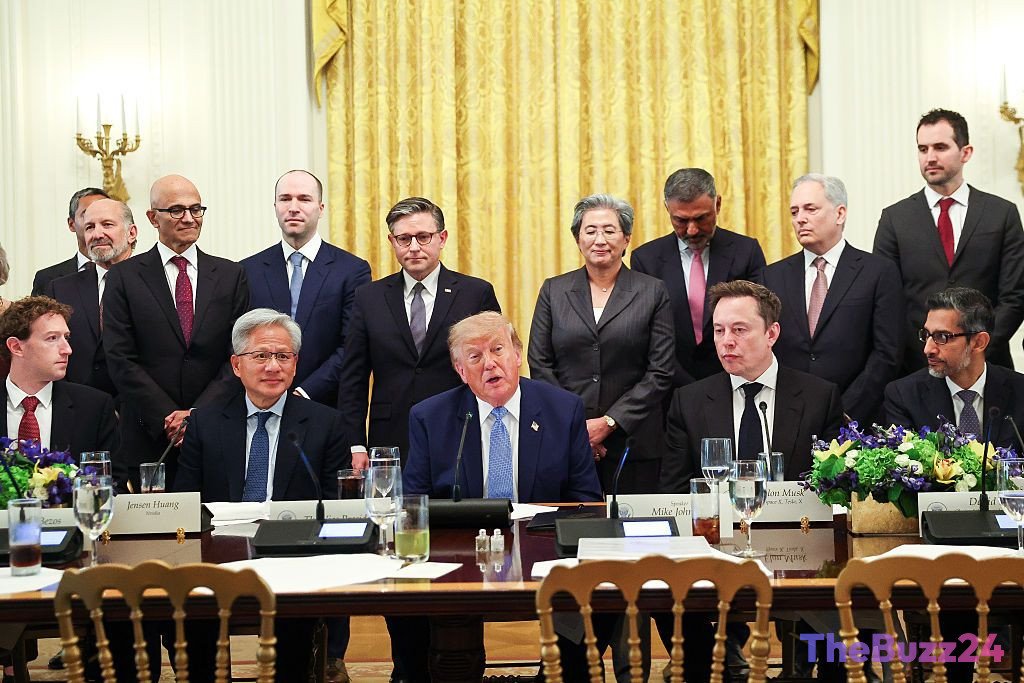
A significant voluntary pledge aimed at guiding the responsible development of artificial intelligence, signed by President Donald Trump and leading figures in the AI industry, has been overshadowed by a notable spelling error. The document, titled a “Joint Commitment on Frontier Responsibilities,” was intended to outline commitments from companies developing advanced AI to implement enhanced safety measures and controls.
However, a photograph of the signed agreement, shared by the President, revealed the “United States” misspelled as “Unites States” directly below his signature. While the names of the other prominent signatories, including leaders from Meta, Nvidia, and Anthropic, were rendered correctly, this oversight has drawn considerable attention. The error suggests a potential lack of meticulous review in the final stages before the document’s public release.
This initiative emerged from a recent White House meeting where top AI executives convened to discuss the rapid advancements in the field. The gathering followed calls from some industry leaders, such as OpenAI’s Sam Altman and Anthropic’s Dario Amodei, for a slowdown in AI development. President Trump, however, has previously emphasized the strategic importance of AI dominance, stating, “We’re the most sophisticated country in the world, and frankly I want to keep it that way because whoever wins AI, wins.”
The “Joint Commitment” proposes that companies training and deploying cutting-edge AI models will “ensure that their technology behaves as intended and that any issues are promptly identified and resolved.” Key aspects include the establishment of independent oversight boards and the implementation of internal controls. Notably, the pledge is voluntary, carrying no explicit legal or regulatory consequences for non-compliance. Meta CEO Mark Zuckerberg described the accord as a foundational step and a “historic conversation” for the industry.
Key Takeaways
- President Trump and top AI leaders signed a voluntary pledge for AI safety and controls.
- A significant spelling error, 'Unites States' instead of 'United States', was found on the signed document.
- The pledge is voluntary and lacks regulatory enforcement, focusing on industry self-governance.
Editor’s Analysis & Impact
The misspelling in the AI pledge, while seemingly minor, highlights potential issues with the diligence and attention to detail surrounding critical policy initiatives in the rapidly evolving AI landscape. The voluntary nature of the commitment raises questions about its actual effectiveness in ensuring AI safety, as it relies on the goodwill of corporations rather than enforceable regulations. This could lead to a fragmented approach to AI governance, with some companies adhering strictly while others may fall short, potentially widening the gap between responsible innovation and unchecked development. The industry’s ability to self-regulate will be closely watched.
Frequently Asked Questions
Q: What was the main goal of the AI pledge signed by President Trump?
A: The main goal was to establish a voluntary commitment from top AI leaders and companies to implement more controls and safety measures as artificial intelligence technology rapidly advances.
Q: Was the AI pledge legally binding?
A: No, the pledge was voluntary and did not appear to have any legal or regulatory ramifications for signees who might not adhere to its terms.
Q: What other AI-related directive did President Trump issue?
A: President Trump also issued an executive order mandating that all government departments and agencies change their terminology from 'artificial intelligence' to 'superintelligence' or 'SI'.
AI Disclosure: This article is based on verified data and official reports. Our Team and AI have cross-referenced every financial detail with primary sources to ensure total accuracy.
More from this Category