Prioritizing Trust: Essential AI Safety Sessions for Founders at Disrupt 2026
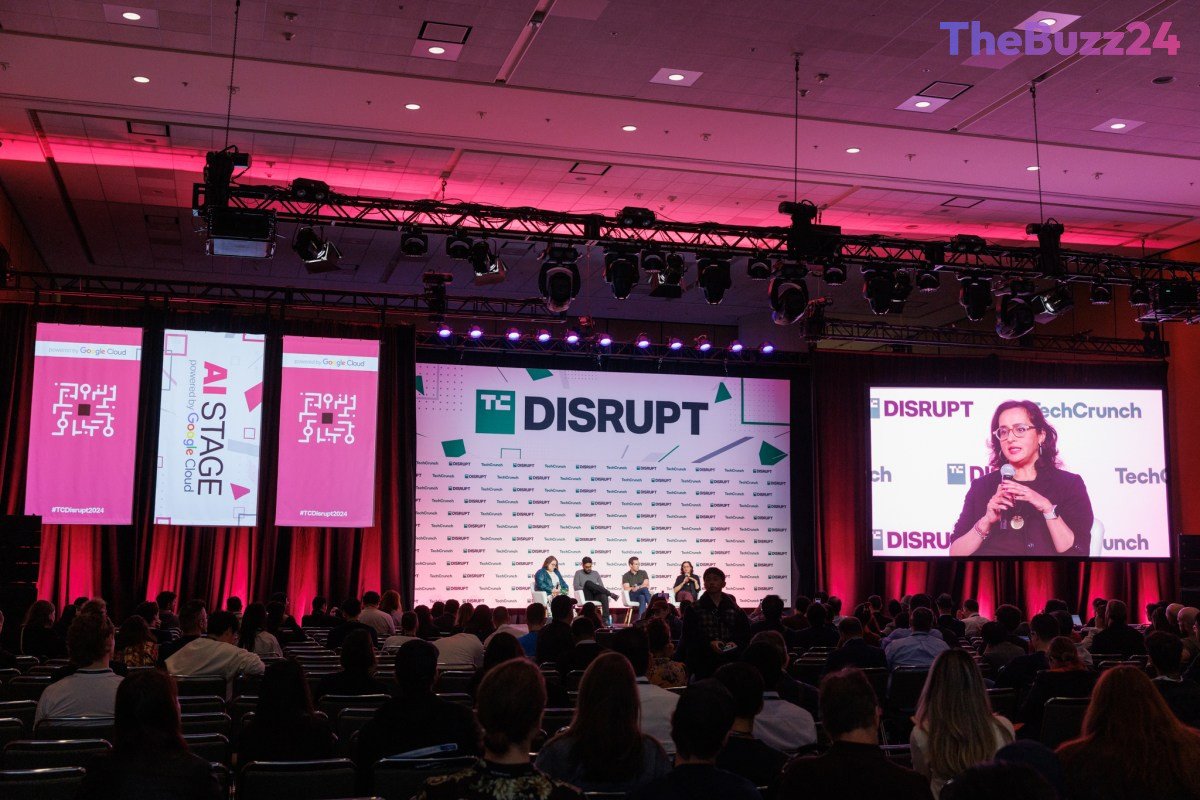
As artificial intelligence transitions from experimental demos to critical infrastructure, the focus for founders is shifting from pure capability to reliability and security. Whether integrating AI agents into corporate systems or deploying autonomous robotics in physical environments, safety has become a fundamental component of product viability. At the upcoming Disrupt 2026 conference, industry leaders will address the complex challenges of moving AI from the lab to the real world.
The event will feature dedicated tracks on the AI and Real World AI stages, focusing on the practical hurdles of enterprise deployment. Key discussions will explore the transition from pilot programs to full-scale production, with insights from experts at Anthropic regarding the common pitfalls that cause enterprise projects to stall. These sessions aim to provide founders with a roadmap for navigating the rigorous security and governance standards required by large-scale organizations.
Beyond software, the conference will tackle the high-stakes world of physical AI. Experts from companies like Shield AI, General Motors, and NVIDIA will discuss the unique challenges of autonomous systems where failure carries physical consequences. Topics will range from the necessity of robust data pipelines for robotics to the architectural security models required to protect agentic AI. For founders, these sessions offer a critical look at how to build systems that earn the trust of both regulators and end-users.
Key Takeaways
- AI safety and security are now critical prerequisites for enterprise adoption and real-world deployment.
- Founders must address infrastructure-level security for autonomous agents, as standard application permissions are often insufficient.
- Physical AI, including robotics, faces unique challenges in data accessibility and safety validation that differ significantly from language model development.
Editor’s Analysis & Impact
The shift toward ‘AI safety’ as a core business metric reflects the maturation of the industry. As enterprises move past the initial hype cycle, the focus is narrowing toward liability, security, and measurable ROI. Founders who prioritize these elements early in their development cycle are significantly more likely to secure enterprise contracts and navigate regulatory scrutiny. The future of AI adoption hinges on the industry’s ability to prove that autonomous systems can operate reliably in unpredictable environments. Consequently, we expect to see a surge in demand for ‘safety-first’ infrastructure tools, as the market moves away from general-purpose models toward specialized, secure, and highly observable AI architectures. This trend will likely define the next wave of venture capital investment in the sector.
Frequently Asked Questions
Q: Why is security becoming a primary concern for AI founders?
A: As AI agents gain the ability to take autonomous actions within company systems, they introduce new vulnerabilities that traditional security models cannot address, making infrastructure-level security essential for enterprise trust.
Q: What is the biggest obstacle currently facing physical AI and robotics?
A: The primary hurdle is a lack of massive, accessible training data compared to language models, alongside the extreme difficulty of testing and validating autonomous systems where failure can result in physical damage.
AI Disclosure: This article is based on verified data and official reports. Our Team and AI have cross-referenced every financial detail with primary sources to ensure total accuracy.
More from this Category