Proposed Senate Legislation Targets Chinese-Linked Auto Tech, Risking Mercedes-Benz Market Access
A bipartisan legislative effort aimed at curbing the influence of Chinese-linked automakers and vehicle technology in the United States has cleared a significant hurdle after being advanced by the Senate Commerce Committee. The proposed Motor Vehicle Modernization Act of 2026 seeks to bolster national security by restricting vehicles that incorporate sensitive technology potentially vulnerable to data collection by foreign entities. Proponents of the bill argue that such measures are essential to protecting the domestic industrial base from unfair competition and security risks.
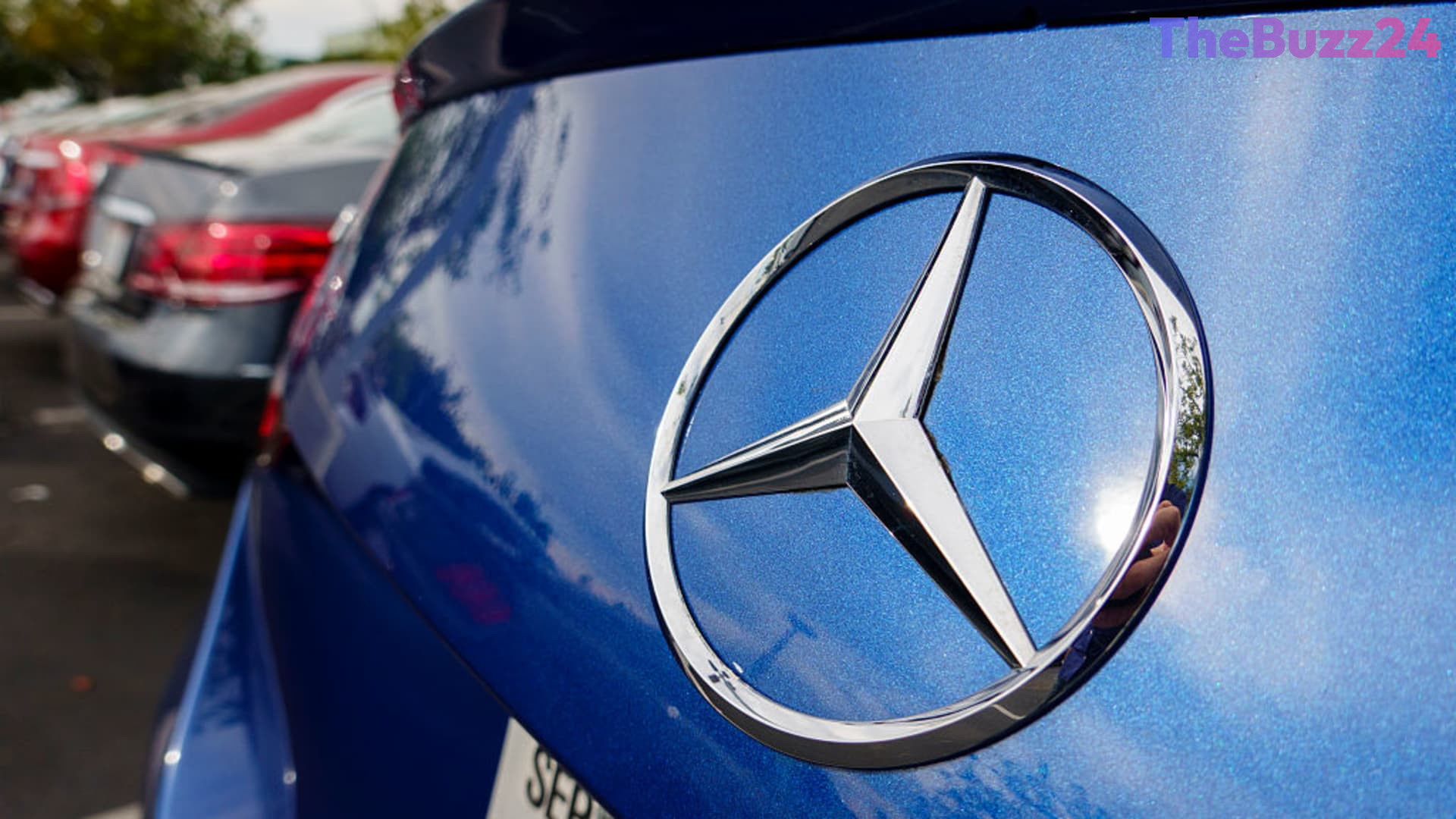
However, the legislation has sparked debate due to its strict 15% Chinese ownership threshold. During the committee’s markup, Senator Ted Cruz highlighted a potential unintended consequence: the bill could effectively bar Mercedes-Benz from the U.S. market. This is because the German automaker’s two largest individual shareholders—BAIC and Geely founder Li Shufu—collectively hold nearly 20% of the company’s shares. Cruz emphasized that while the goal is to secure the automotive supply chain, the current language could inadvertently penalize established global manufacturers.
In response to these concerns, Senator Bernie Moreno, a co-sponsor of the bill, noted that the legislation includes a transition period, allowing companies until 2030 to comply with ownership requirements or apply for specific waivers. Meanwhile, the debate has taken a competitive turn, with allegations surfacing that domestic manufacturers like General Motors may be supporting the provision to gain a strategic advantage over European rivals. As the bill moves forward, lawmakers face the complex task of refining the language to address national security threats without disrupting the operations of major international automakers that maintain significant manufacturing footprints within the United States.
Key Takeaways
- The Senate Commerce Committee advanced a bill to restrict Chinese-linked vehicle technology in the U.S. over national security concerns.
- The legislation's 15% Chinese ownership threshold could inadvertently impact Mercedes-Benz, which has nearly 20% of its shares held by Chinese investors.
- The bill includes a 2030 compliance deadline and a waiver process, though critics argue the current language requires further refinement to avoid market disruption.
Editor’s Analysis & Impact
The advancement of this legislation signals a hardening stance on the intersection of national security and global automotive supply chains. By targeting ‘connected car’ technology, the U.S. government is signaling that the digital infrastructure of modern vehicles is now a matter of critical infrastructure protection. The potential impact on Mercedes-Benz highlights the difficulty of decoupling globalized capital structures from national security policy. If passed in its current form, the bill could force a restructuring of shareholder bases for multinational firms or lead to a wave of waiver applications, creating significant regulatory uncertainty. Furthermore, the political friction between domestic automakers and foreign competitors suggests that this policy will be heavily lobbied, potentially leading to a more nuanced final version that distinguishes between state-controlled entities and private international investment.
Frequently Asked Questions
Q: Why is the Senate targeting Chinese-linked automakers?
A: The legislation is driven by national security concerns regarding 'connected cars,' which lawmakers fear could collect sensitive data and pose risks to the U.S. industrial base.
Q: Could Mercedes-Benz be banned from the U.S. under this bill?
A: While the bill's current 15% ownership threshold could technically apply to Mercedes-Benz due to its Chinese shareholders, lawmakers have indicated that the bill will likely be amended, and it includes a 2030 compliance deadline and a waiver process.
AI Disclosure: This article is based on verified data and official reports. Our Team and AI have cross-referenced every financial detail with primary sources to ensure total accuracy.
More from this Category