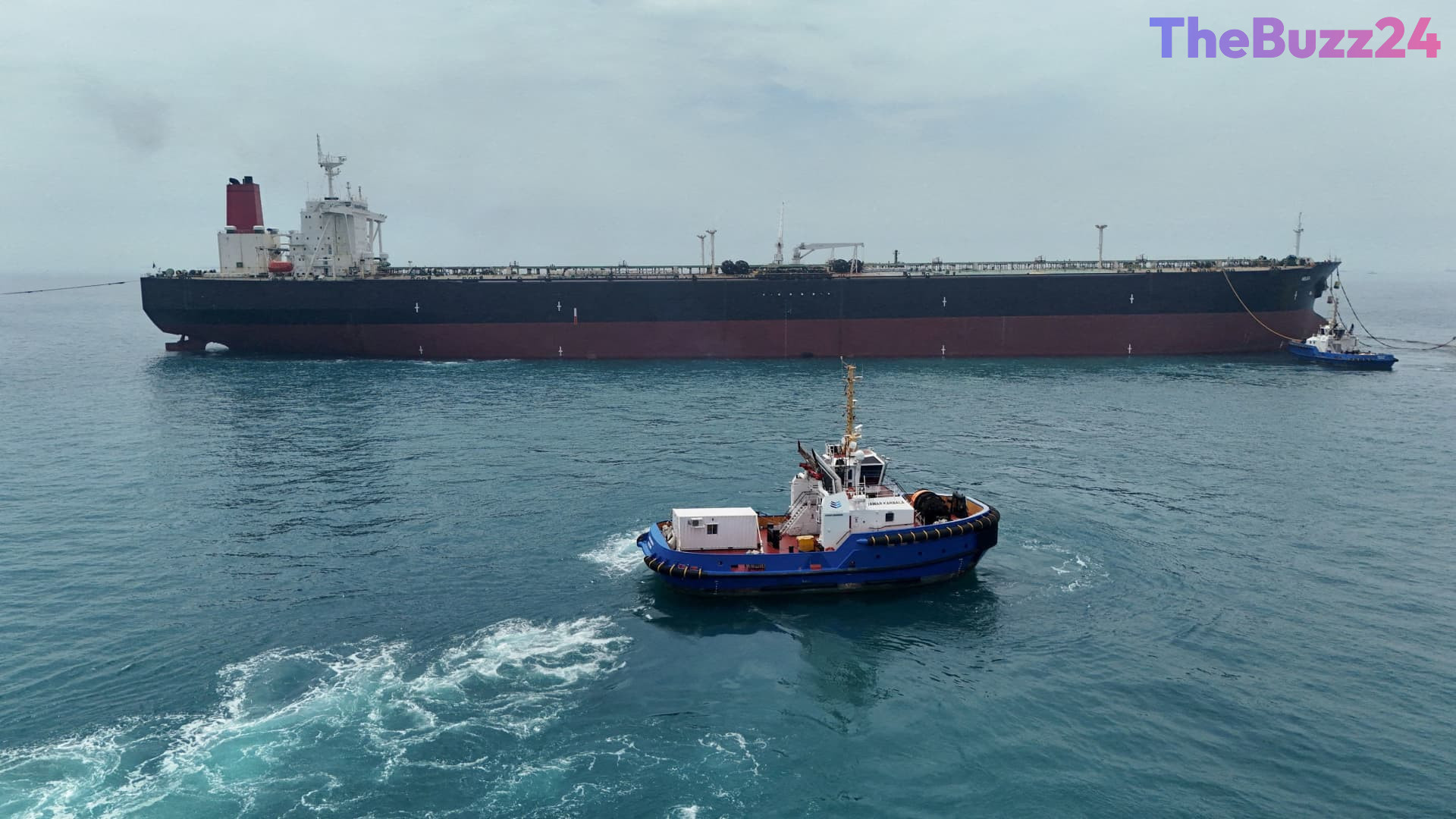
Proposed Strait of Hormuz Levy Sparks Global Oil Supply Concerns
A proposal to implement a 20% fee on cargo transiting the Strait of Hormuz has introduced significant volatility into global energy markets. The potential levy, which analysts estimate could add approximately $16 per barrel to the cost of oil transported through this critical maritime chokepoint, has cast doubt on recent projections of a global oil surplus. While the administration has yet to finalize the implementation details, the mere suggestion of such a tax has shifted market sentiment from optimism to caution.
Financial analysts and energy experts warn that the primary concern is not merely the added cost, but the heightened risk of geopolitical instability. There is growing apprehension that such a move could trigger a broader military confrontation or lead to a complete closure of the waterway. Data from Kpler indicates that vessel traffic through the strait has already experienced a sharp decline, with recent counts showing a significant drop in both general cargo and crude tanker activity compared to previous weeks.
If the flow of crude oil from the Gulf is severely restricted, producers may face a crisis of storage capacity. Should export routes remain blocked, storage facilities could reach their limits, forcing producers to halt output entirely. This scenario would represent a far more severe supply shock than the direct costs of the proposed fee, potentially undermining the stability of global energy markets and complicating the recovery of Asian demand, which is currently being incentivized by price discounts from major producers like Saudi Arabia.
Key Takeaways
- A proposed 20% fee on Strait of Hormuz cargo could increase oil shipping costs by roughly $16 per barrel.
- The proposal has triggered fears of military escalation and potential physical supply disruptions that could erase expected global oil surpluses.
- Declining vessel traffic suggests that if exports are halted, producers may be forced to cut output due to limited storage capacity.
Editor’s Analysis & Impact
The proposal to tax transit through the Strait of Hormuz represents a significant shift in geopolitical risk management, moving from diplomatic engagement to economic pressure. From a market perspective, this introduces a ‘risk premium’ that is likely to keep oil prices elevated in the near term. The broader implication is a potential decoupling of supply-demand fundamentals; even if global demand remains steady or recovers, the physical inability to move product from the Middle East to Asian markets creates a structural bottleneck. Investors should monitor the interplay between Saudi pricing strategies and the actual volume of tanker traffic, as any sustained drop in throughput will likely force a reassessment of global energy security and inflation forecasts for the coming quarters.
Frequently Asked Questions
Q: Why is the Strait of Hormuz so important to the global oil market?
A: The Strait of Hormuz is one of the world's most critical oil chokepoints, as a significant percentage of the world's total petroleum liquids consumption passes through it daily.
Q: What happens if oil producers cannot export their crude due to shipping disruptions?
A: If producers cannot export their oil, storage tanks will eventually reach capacity. Once storage is full, producers are often forced to shut down production wells, leading to a physical loss of supply that can cause sharp price spikes.
AI Disclosure: This article is based on verified data and official reports. Our Team and AI have cross-referenced every financial detail with primary sources to ensure total accuracy.
More from this Category