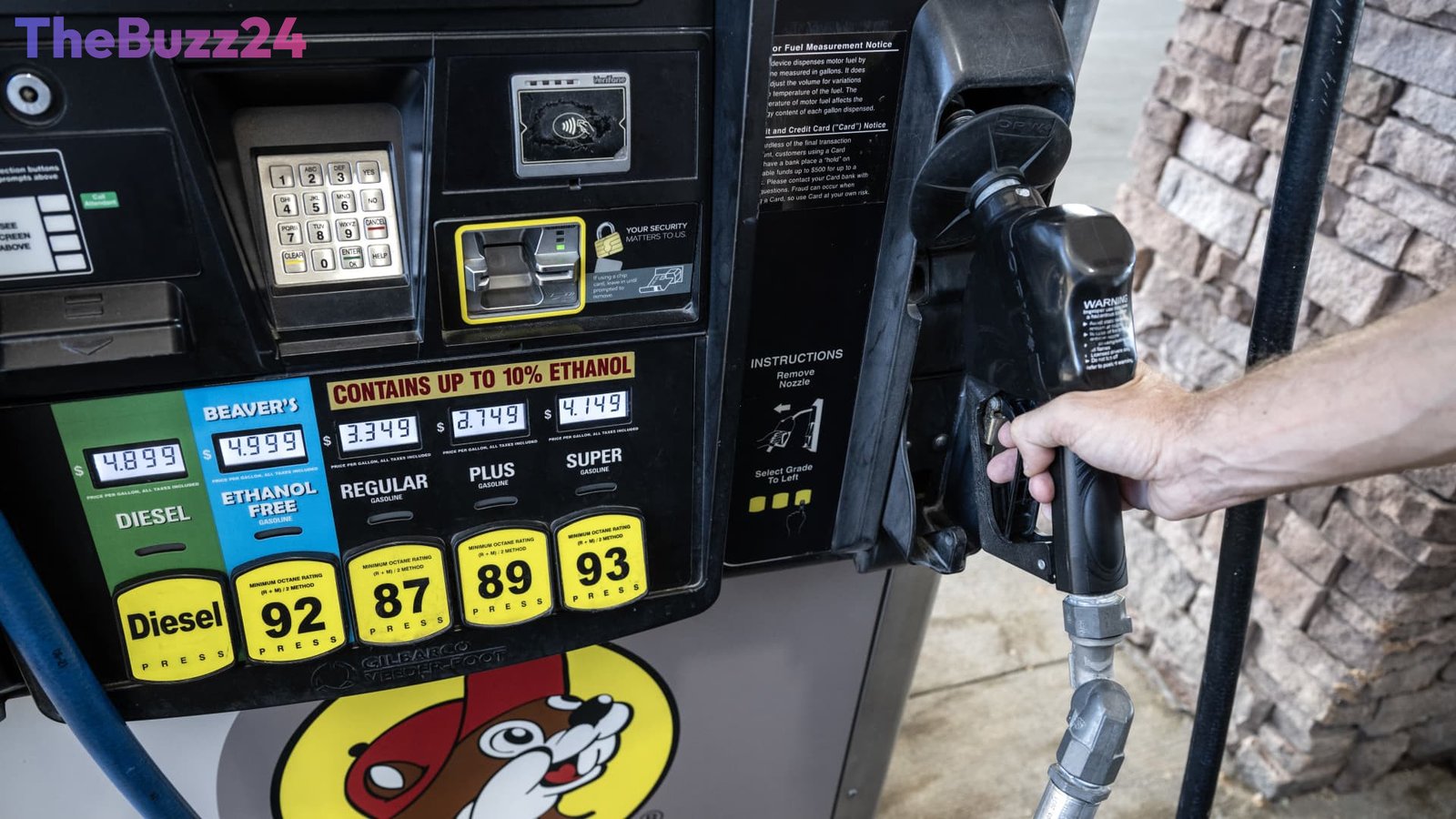
Record Gas Prices Strain American Wallets This Labor Day Weekend Amidst Global Tensions
Americans are bracing for a costly Labor Day weekend as gasoline prices reach unprecedented highs, driven by a confluence of geopolitical instability and supply chain pressures. The national average is projected to surpass $4.00 per gallon, a significant leap from the previous record of $3.83 set in 2012, according to industry analysts. This surge marks the highest prices recorded this late in the year, impacting holiday travel plans and consumer budgets.
The elevated cost at the pump is largely attributed to rising crude oil prices, which have climbed back above $90 a barrel. Renewed military activity in the Middle East has reignited concerns about potential disruptions to global crude supplies, a key factor influencing retail fuel costs. Additionally, ongoing attacks on Russian refining facilities have tightened the availability of refined products like diesel and heating oil, further contributing to the price hikes.
These high gasoline prices, a highly visible economic indicator, are shaping public perception of the broader economy and have become a focal point for political discourse. Consumers are expressing frustration, with many reporting cutbacks on travel and everyday expenses. The situation is exacerbated by dwindling U.S. gasoline inventories, which have fallen below the five-year average for August, and a high refinery utilization rate that leaves little room for increased domestic production.
The impact extends beyond gasoline, with prices for other refined products, including diesel, also reaching record or near-record levels. Air travel is also more expensive, with ticket prices expected to be 20% higher than last year, adding another layer of financial strain for holiday travelers.
Key Takeaways
- National average gasoline prices are expected to hit a record high of over $4.00 per gallon for Labor Day weekend.
- Geopolitical tensions in the Middle East and attacks on Russian refineries are driving up crude oil and refined product prices.
- Consumers are facing financial strain, cutting back on travel and other expenses due to high fuel costs.
Editor’s Analysis & Impact
The current surge in gasoline prices highlights the vulnerability of the U.S. economy to global energy market volatility. With geopolitical conflicts and supply chain issues showing no immediate signs of resolution, consumers can expect sustained pressure on their budgets. The high refinery utilization rate indicates that domestic production capacity is already maximized, limiting the effectiveness of short-term policy interventions. This situation could lead to broader economic slowdown as consumer spending power diminishes, and may force a re-evaluation of energy independence strategies and diversification of global energy sources.
Frequently Asked Questions
Q: What is causing the record-high gasoline prices?
A: The record-high gasoline prices are primarily driven by rising crude oil costs due to geopolitical tensions in the Middle East and disruptions to Russian refining facilities. These factors are tightening global crude supplies and the availability of refined products, leading to increased prices at the pump.
Q: How are consumers being affected by these high prices?
A: Consumers are experiencing significant financial strain, with many cutting back on travel plans, reducing discretionary spending, and struggling to manage household budgets. The high cost of gasoline, a visible economic indicator, is also influencing perceptions of the overall economy.
Q: Are there any immediate solutions to lower gas prices?
A: Currently, there are limited immediate solutions. U.S. refineries are operating at near-maximum capacity, and U.S. gasoline inventories are below average. While policy measures have been taken, such as extending waivers for fuel shipments and ending summer-blend gasoline requirements early, the global supply and demand dynamics, coupled with geopolitical factors, present significant challenges.
AI Disclosure: This article is based on verified data and official reports. Our Team and AI have cross-referenced every financial detail with primary sources to ensure total accuracy.
More from this Category