Red Sea Cargo Ship Attack Threatens Fragile Middle East Ceasefire and Global Oil Transit
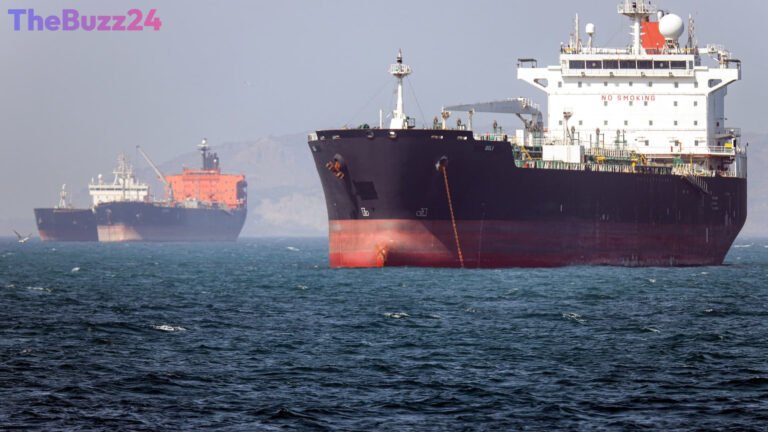
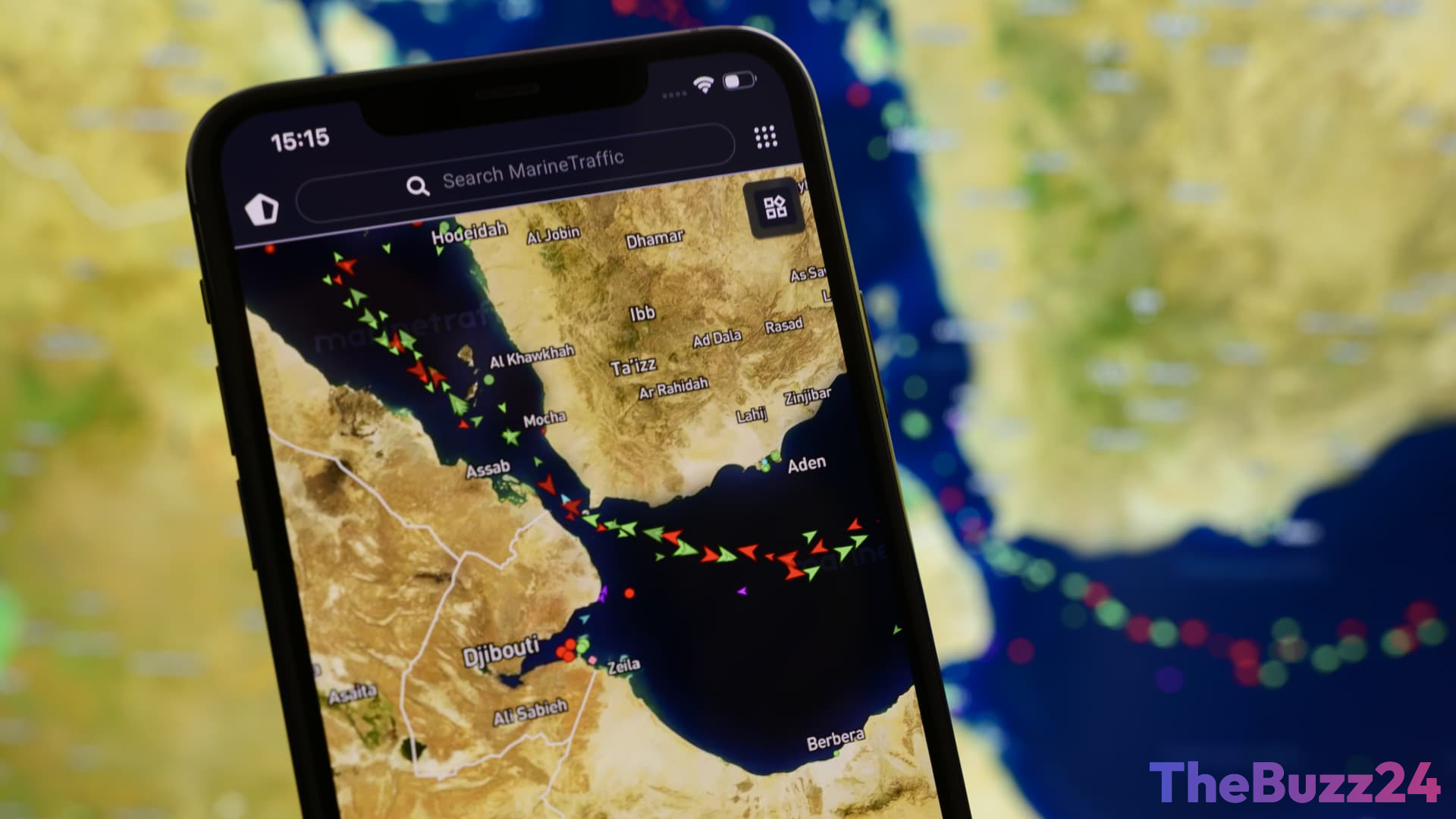
A commercial cargo vessel navigating the Red Sea has issued an emergency distress signal after coming under attack by unidentified assailants. International maritime security monitors confirmed that the incident occurred approximately 30 nautical miles southwest of the Yemeni port city of Al Hudaydah, a highly sensitive maritime zone near the Bab el-Mandeb Strait. Authorities have launched an investigation into the assault and have urged all commercial vessels transiting the area to exercise extreme caution.
This sudden escalation comes at a critical juncture, threatening a fragile ceasefire recently established between the United States and Iran. The two nations signed a memorandum of understanding on June 17, aiming to conclude nearly four months of active conflict, reopen the vital Strait of Hormuz, and initiate a 60-day negotiation window for a lasting peace agreement. While Yemen’s Iran-backed Houthi rebels previously conducted extensive campaigns against commercial shipping between 2023 and 2025, they had largely refrained from intervening in the direct U.S.-Iran hostilities.
The Bab el-Mandeb Strait serves as a crucial global trade artery and has recently functioned as an essential alternative route for energy markets. When the Strait of Hormuz was effectively closed due to military clashes, Saudi Arabia diverted millions of barrels of oil daily through its East-West Pipeline directly to the Red Sea to supply key Asian markets like Japan and South Korea.
Since the mid-June diplomatic breakthrough, energy flows have begun normalizing. Saudi Arabia has significantly boosted its exports through the reopened Strait of Hormuz, shipping roughly 34 million barrels since the agreement was signed—more than doubling its export volume compared to the height of the conflict. This resumption of supply has contributed to a 39% decline in benchmark Brent crude prices from their peak in March. However, this latest security breach in the Red Sea raises concerns that maritime trade routes remain highly vulnerable despite high-level diplomatic progress.
Key Takeaways
- A commercial cargo vessel was attacked by unknown assailants 30 nautical miles southwest of Yemen's Al Hudaydah port in the Red Sea.
- The attack threatens a fragile U.S.-Iran ceasefire established on June 17, which aimed to secure key maritime trade routes like the Strait of Hormuz.
- The incident highlights ongoing vulnerabilities in critical energy transit corridors, potentially impacting the recent stabilization of global oil prices.
Editor’s Analysis & Impact
This latest maritime attack underscores the extreme volatility of Middle Eastern trade corridors and the fragility of the recent U.S.-Iran diplomatic detente. While the June 17 memorandum of understanding successfully reopened the Strait of Hormuz and triggered a significant 39% drop in Brent crude prices, security in adjacent waterways like the Bab el-Mandeb Strait remains highly precarious. If shipping companies perceive a renewed systemic threat in the Red Sea, insurance premiums will spike, and vessels may once again divert around Africa, reversing recent economic stabilization. Furthermore, if the attack is linked to Houthi rebels or other regional proxies, it could derail the ongoing 60-day peace negotiations between Washington and Tehran. Investors and energy markets must prepare for renewed price fluctuations as geopolitical risks refuse to subside.
Frequently Asked Questions
Q: Where did the attack take place?
A: The attack occurred in the Red Sea, approximately 30 nautical miles (56 kilometers) southwest of the Yemeni port city of Al Hudaydah, near the strategically vital Bab el-Mandeb Strait.
Q: How does this incident affect global oil markets?
A: While oil prices have recently fallen due to the reopening of the Strait of Hormuz, renewed instability in the Red Sea could disrupt key shipping routes used by major exporters like Saudi Arabia, potentially driving up shipping costs and oil prices.
Q: What is the current diplomatic situation between the U.S. and Iran?
A: The U.S. and Iran signed a memorandum of understanding on June 17 to end four months of conflict, initiating a 60-day negotiation period to secure a permanent peace deal and keep vital shipping lanes open.
AI Disclosure: This article is based on verified data and official reports. Our Team and AI have cross-referenced every financial detail with primary sources to ensure total accuracy.
More from this Category