Red Sea Fatalities and U.S. Naval Strikes Escalate Global Shipping Crisis
Tensions in the Middle East’s vital waterways have reached a dangerous new threshold following a pair of military escalations in the Red Sea and the Gulf of Oman. In the Bab el-Mandeb Strait, an attack by Iran-backed Houthi rebels on a commercial cargo ship resulted in six fatalities, marking the first deaths associated with the Red Sea shipping blockade in over a year. The targeted vessel, the Egyptian-owned and Tanzania-flagged Tihamah, was struck on Tuesday, claiming the lives of four crew members—three Pakistani nationals and one Indonesian. Two members of the Yemeni government-allied National Resistance Forces were also killed in a subsequent strike while attempting a rescue operation.
While Houthi-aligned media claimed the vessel was transporting Saudi military hardware, Yemen’s transport ministry condemned the assault, holding the rebel group entirely responsible for the loss of life and damage. The Houthis previously declared a naval blockade against Saudi Arabia in July, ending a long-standing truce in what they termed retaliation for Saudi economic pressure. The escalation highlights the growing vulnerability of commercial maritime corridors as regional conflicts spill over into international trade routes.
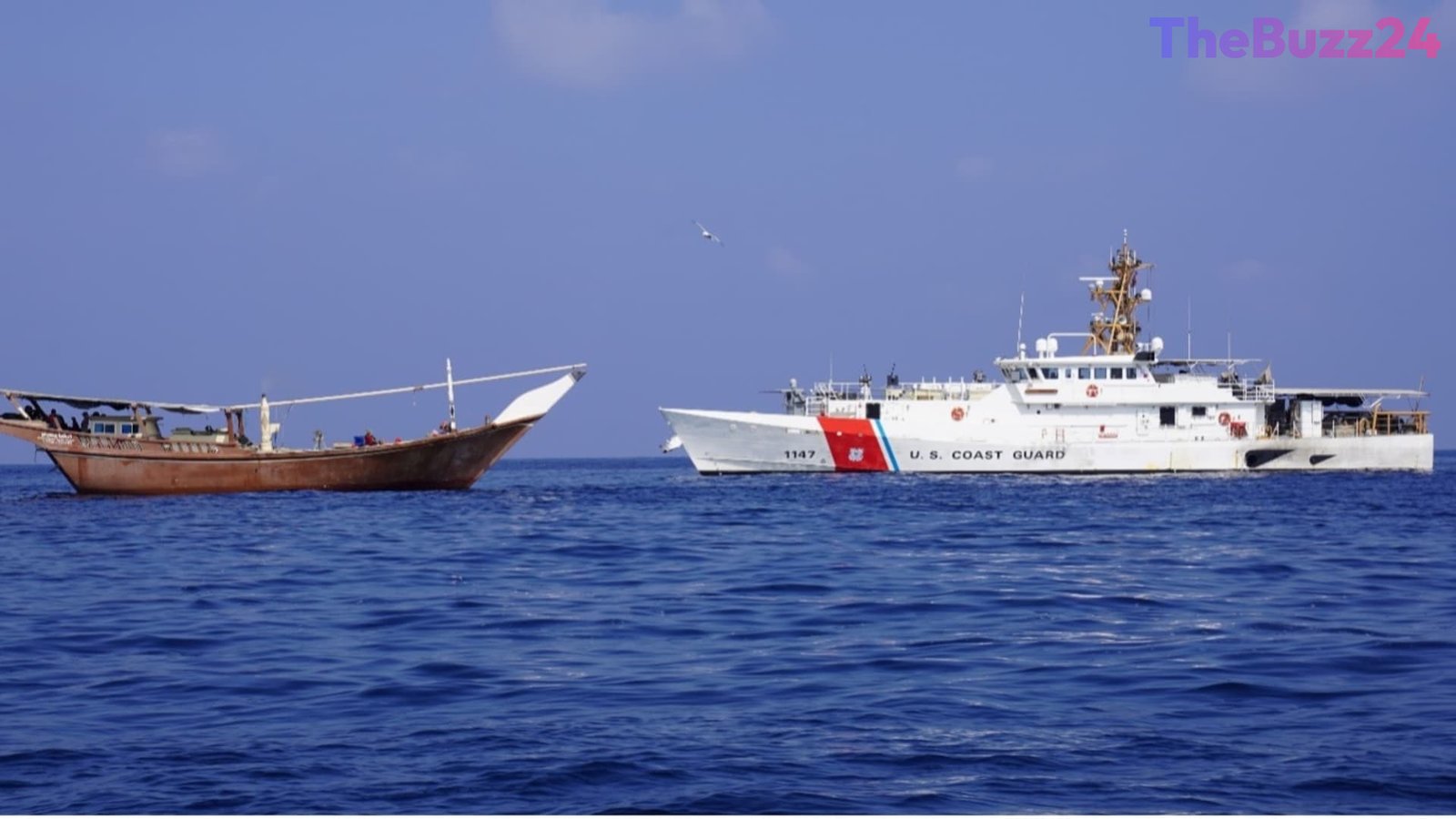
Simultaneously, U.S. Central Command forces executed a missile strike in the Gulf of Oman against a Panama-flagged container ship, the Vela Nova. According to military officials, a Navy helicopter disabled the vessel’s steering and propulsion after its crew ignored repeated warnings and attempted to bypass a U.S.-imposed naval blockade on Iranian ports. While no casualties were reported in this encounter, it underscores the rigorous enforcement of the blockade, with American forces having redirected dozens of non-compliant vessels since restrictions were reinstated in mid-April.
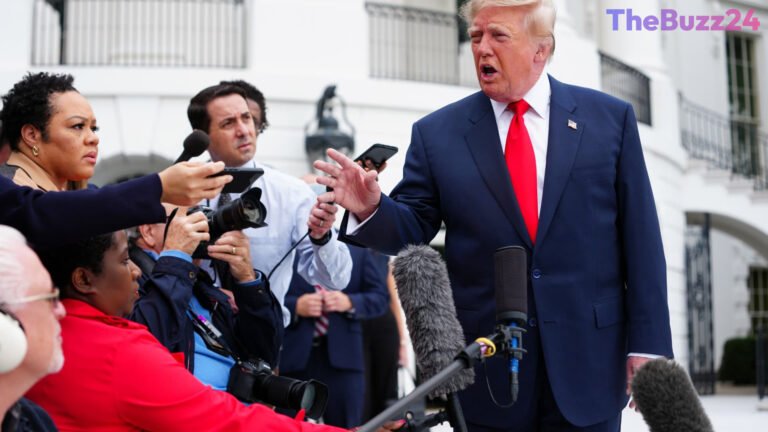
These dual naval confrontations come amid a diplomatic deadlock between Washington and Tehran. Iran has demanded an end to the U.S. blockade, sanctions relief, and war reparations before it will consider reopening the strategic Strait of Hormuz, which previously handled a fifth of the world’s oil trade. President Donald Trump has countered with demands for Iranian compensation, leaving shipping lanes highly volatile. Despite the standoff, regional intermediaries from Pakistan and Qatar indicate that quiet negotiations between Iran and Oman regarding a potential transit corridor remain active, offering a fragile hope for de-escalation.
Key Takeaways
- A Houthi rebel attack on the cargo ship Tihamah in the Bab el-Mandeb Strait resulted in six deaths, marking the first Red Sea shipping fatalities in over a year.
- U.S. Navy forces disabled the container ship Vela Nova in the Gulf of Oman for attempting to breach the American blockade on Iranian ports.
- The ongoing maritime conflict has severely restricted traffic through the Strait of Hormuz, driving Brent crude oil prices up toward $90 a barrel.
Editor’s Analysis & Impact
The dual incidents in the Red Sea and the Gulf of Oman underscore a severe escalation in maritime insecurity that threatens the foundation of global trade. With the Strait of Hormuz operating at a fraction of its normal capacity, the energy sector is bearing the brunt of the geopolitical friction, as evidenced by the steady rise in Brent crude and WTI prices. The transition from economic disruption to loss of life represents a critical tipping point; shipping companies will likely face surging insurance premiums and may opt for longer, costlier alternative routes around Africa. While backchannel diplomacy involving Qatar and Oman offers a glimmer of hope for a localized transit agreement, the fundamental impasse between Washington and Tehran suggests that volatility in these vital shipping lanes will persist, keeping global energy markets on high alert.
Frequently Asked Questions
Q: What caused the fatalities in the Red Sea?
A: Six people, including four crew members of the cargo ship Tihamah and two rescue workers, were killed during an attack by Iran-backed Houthi rebels in the Bab el-Mandeb Strait.
Q: Why did U.S. forces strike a container ship in the Gulf of Oman?
A: U.S. Central Command forces disabled the Panama-flagged Vela Nova after its crew ignored warnings and attempted to breach the U.S. naval blockade on Iranian ports.
Q: How is this conflict affecting global energy markets?
A: The disruption of key shipping lanes, particularly the Strait of Hormuz, has choked off major oil transit routes, causing global energy supply shocks and driving Brent crude prices up toward $90 a barrel.
AI Disclosure: This article is based on verified data and official reports. Our Team and AI have cross-referenced every financial detail with primary sources to ensure total accuracy.
More from this Category