Rescue Efforts Intensify in Venezuela as Earthquake Death Toll Climbs Toward 1,500
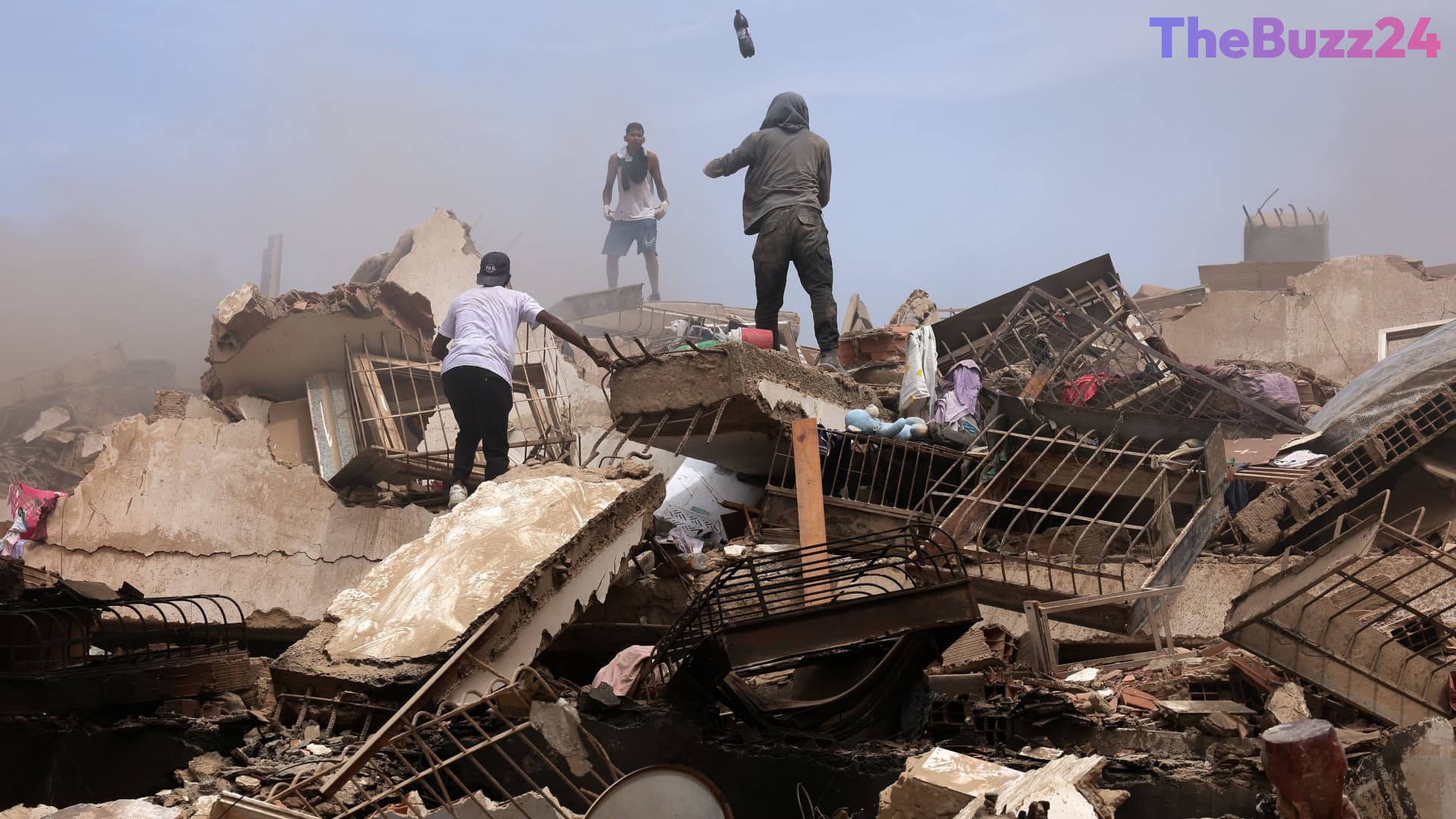
Emergency crews are working around the clock in Venezuela following a pair of devastating earthquakes that have left nearly 1,500 people dead and thousands more injured. The coastal state of La Guaira has been identified as the epicenter of the destruction, where hundreds of buildings have been reduced to rubble. Despite the passing of the critical 72-hour window for finding survivors, rescue teams from across the globe continue to search the debris, buoyed by the occasional recovery of individuals trapped beneath the wreckage.
Interim President Delcy Rodriguez has confirmed that recovery operations remain active, emphasizing that the government is prioritizing the establishment of temporary camps for the more than 12,000 displaced citizens. While electricity is slowly being restored to affected regions, the logistical challenges remain immense. The government has implemented stricter access controls on major transit routes to ensure that emergency vehicles can navigate the disaster zone without obstruction, though these measures have faced criticism from volunteers attempting to deliver aid.
International support has become a vital component of the response, with teams from the United States, Switzerland, Mexico, and Colombia working alongside local volunteers. High-profile rescues, including that of an infant and several children, have provided brief moments of hope amidst the tragedy. Meanwhile, the broader impact of the disaster is being felt across the nation’s infrastructure, with the Amuay refinery forced to suspend operations due to widespread power outages, further complicating the country’s already fragile economic situation.
As the search continues, the discrepancy between official government figures and reports from opposition groups regarding the number of missing persons remains a point of contention. With tens of thousands still unaccounted for, the focus remains on immediate life-saving efforts, even as the international community prepares significant financial aid packages to assist in the long-term recovery and reconstruction of the devastated coastal communities.
Key Takeaways
- The death toll from the twin earthquakes in Venezuela has reached approximately 1,500, with over 3,000 injured and 12,000 displaced.
- International rescue teams are working alongside local authorities, successfully pulling survivors from the rubble despite the expiration of the critical 72-hour survival window.
- The disaster has severely impacted national infrastructure, forcing the shutdown of the Amuay oil refinery and prompting the U.S. to prepare a significant emergency funding package.
Editor’s Analysis & Impact
The dual earthquakes represent a catastrophic blow to a nation already grappling with profound political instability and economic decline. The immediate impact is a humanitarian crisis of immense proportions, but the long-term implications are equally severe. The destruction of critical infrastructure, such as the Amuay refinery, threatens to exacerbate Venezuela’s economic isolation and energy insecurity. Furthermore, the disaster has created a complex political landscape; the influx of international aid and the potential return of opposition figures like Maria Corina Machado could shift the domestic power balance. Future stability will depend heavily on the government’s ability to manage the reconstruction process transparently and effectively, while navigating the delicate diplomatic tensions surrounding foreign aid and political legitimacy in the wake of the disaster.
Frequently Asked Questions
Q: What is the current status of the rescue operations?
A: Rescue operations are ongoing, with international and local teams continuing to search for survivors despite the passing of the initial 72-hour window.
Q: How has the earthquake affected Venezuela's energy sector?
A: The disaster caused significant power outages, leading to the shutdown of the Amuay refinery, which is the largest in the country.
AI Disclosure: This article is based on verified data and official reports. Our Team and AI have cross-referenced every financial detail with primary sources to ensure total accuracy.
More from this Category