Ring Unveils ‘TAKE’ Encryption Standard to Balance Smart Features with Privacy
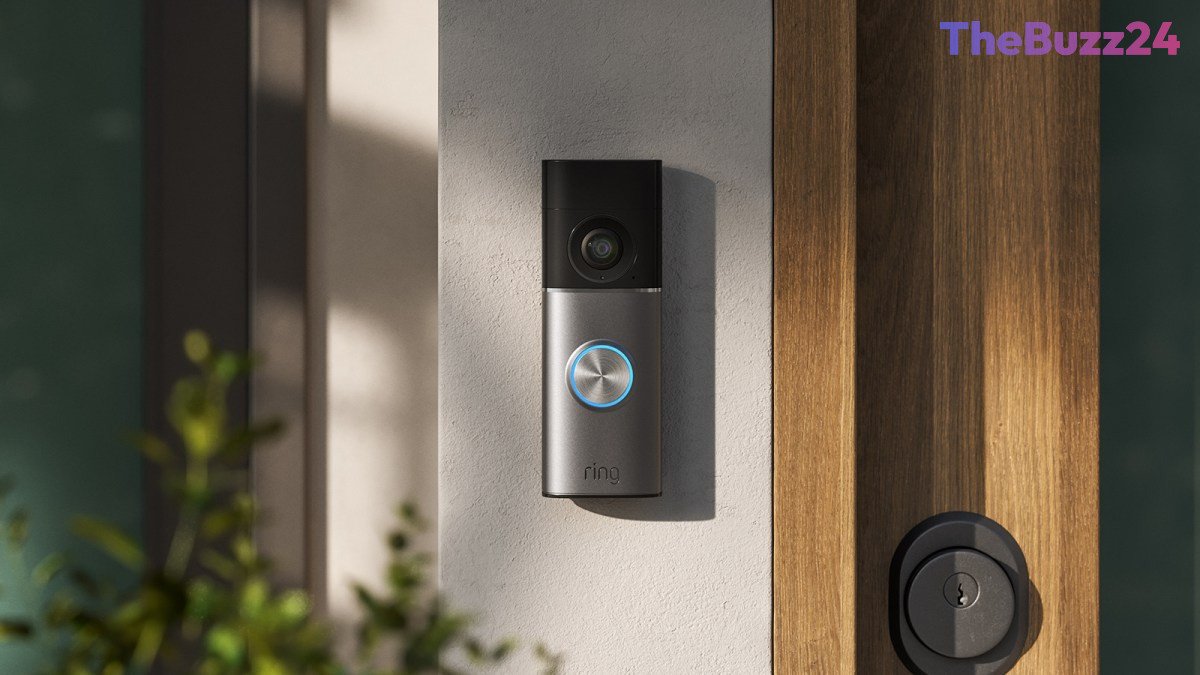
Ring, the smart home division of Amazon, has announced the introduction of a new encryption protocol dubbed ‘Throw Away the Key Encryption’ (TAKE). This new standard is set to become the default setting for video encryption and user data management across the company’s ecosystem. By utilizing a rotating set of encryption keys that are temporarily stored in the cloud, Ring aims to provide advanced functionality while maintaining a strict data deletion policy, ensuring keys are purged within 24 hours of a request.
The implementation of TAKE is designed to bridge the gap between high-level privacy and the utility of cloud-based features. Previously, end-to-end encryption often limited the functionality of smart home devices, such as video search capabilities and intelligent alerts. With this new standard, Ring can temporarily decrypt and process video data to power features like Smart Alerts—which identify people, vehicles, and packages—before immediately discarding the access keys.
Developed using the Messaging Layer Security (MLS) framework from the Internet Engineering Task Force, the system also introduces more robust account recovery options. Users who lose access to their devices can regain control through passkeys, cloud backups, or by physically authenticating near their cameras. The rollout of TAKE is scheduled to begin in September, becoming the global default, though users will retain the option to manually opt for traditional end-to-end encryption if they prefer.
This shift comes at a time when the company faces increased scrutiny regarding its data handling practices. Recent legal challenges, including class-action lawsuits concerning facial recognition features, have placed pressure on the firm to demonstrate greater transparency and control for its user base. By moving toward a more flexible yet ephemeral encryption model, the company is attempting to address these privacy concerns while continuing to innovate in the smart home security market.
Key Takeaways
- Ring is introducing 'TAKE' (Throw Away the Key Encryption) as its new default encryption standard starting in September.
- The system uses rotating, temporary keys that are deleted within 24 hours, allowing for cloud-based smart features without permanent data exposure.
- Users maintain the choice to opt-out of the TAKE standard in favor of traditional end-to-end encryption.
Editor’s Analysis & Impact
The introduction of the TAKE encryption standard represents a strategic pivot for Ring as it attempts to navigate the tension between consumer demand for AI-driven smart features and the growing public concern over surveillance and data privacy. By leveraging the Messaging Layer Security (MLS) protocol, Ring is attempting to standardize its security architecture in a way that is both scalable and defensible against regulatory scrutiny. The industry impact is significant; it signals a shift toward ‘ephemeral security’ models where data is processed only as long as necessary. If successful, this could set a new benchmark for smart home manufacturers, forcing competitors to find similar middle-ground solutions that do not sacrifice feature utility for privacy. However, the company’s success will ultimately depend on building user trust, particularly in the wake of ongoing litigation regarding facial recognition and data consent.
Frequently Asked Questions
Q: What is the primary benefit of the TAKE encryption standard?
A: TAKE allows Ring to provide advanced cloud-based features like Smart Alerts and video search while ensuring that encryption keys are temporary and deleted within 24 hours, rather than keeping permanent access to user data.
Q: Can I still use end-to-end encryption with my Ring device?
A: Yes, while TAKE will become the default setting starting in September, users retain the ability to manually select end-to-end encryption if they prefer that method over the new standard.
AI Disclosure: This article is based on verified data and official reports. Our Team and AI have cross-referenced every financial detail with primary sources to ensure total accuracy.
More from this Category