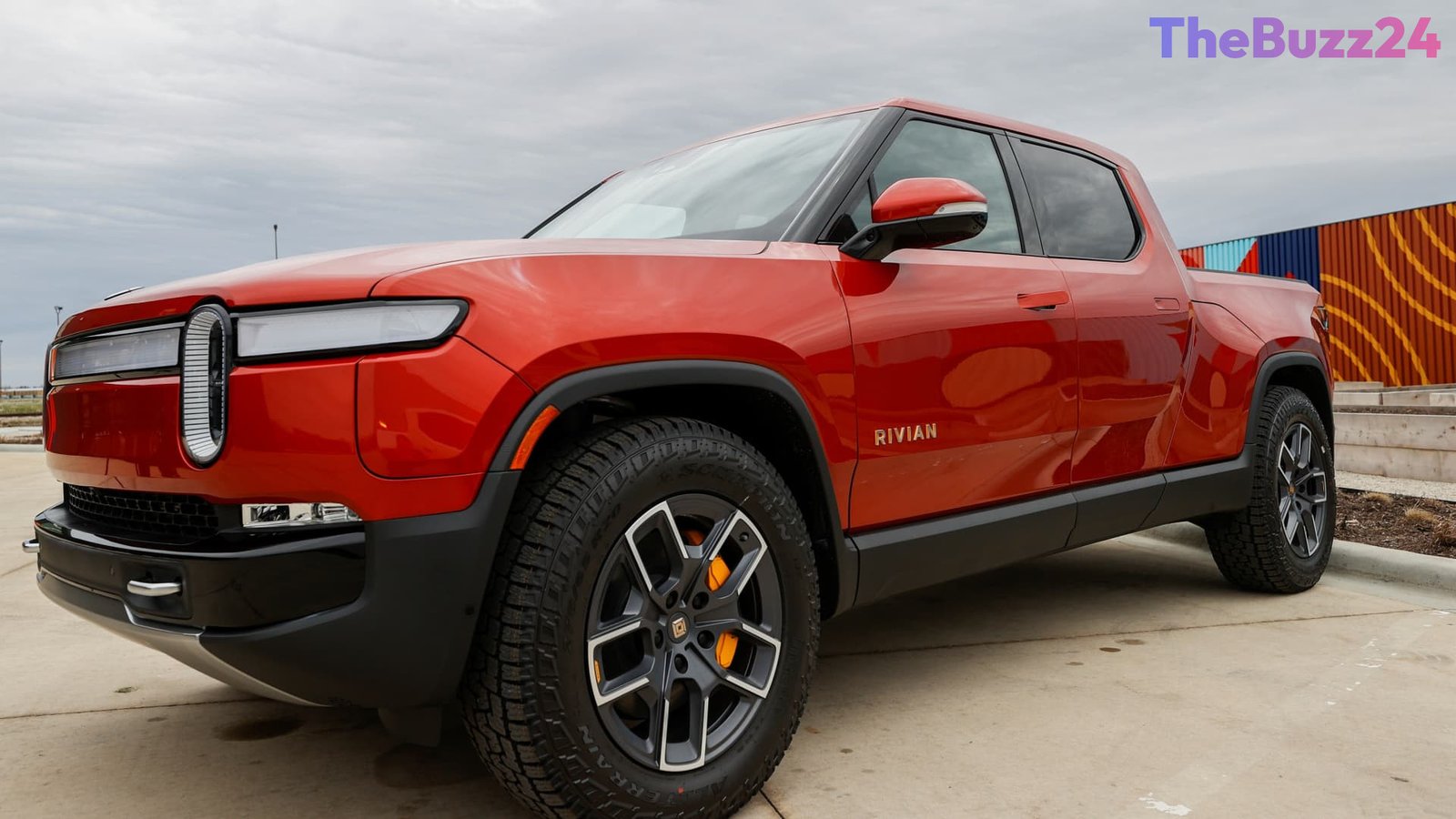
Rivian’s Autonomy+ Challenges Legacy Competitors in the Hands-Free Driving Race
The landscape of advanced driver-assistance systems (ADAS) is heating up as automotive manufacturers race to deliver the ultimate semi-autonomous driving experience. Recent real-world testing reveals that emerging systems from brands like Rivian are rapidly outperforming legacy rivals such as General Motors, though market leaders like Tesla still hold an edge in complex urban navigation and point-to-point capabilities.
Rivian’s newly refined Autonomy+ system represents a massive leap forward, driven by an aggressive push toward vertical integration and in-house software development. During extensive highway testing, the technology demonstrated exceptional stability and control, easily surpassing traditional automotive giants that have been slower to roll out robust hands-free highway solutions. However, unlike rival setups that navigate complex city streets, traffic lights, and roundabouts with minimal human intervention, Rivian’s platform currently detects these urban signals primarily to alert the driver rather than execute maneuvers automatically.
Industry experts note that these driver-assistance technologies are becoming increasingly vital for automakers seeking recurring software revenue streams. While Tesla continues to leverage a camera-and-vision-based architecture for its widespread deployment, competitors are exploring diverse sensor suites—incorporating radar, cameras, and forthcoming lidar technology—to enhance safety and reliability under adverse weather conditions. Despite these technological strides, no commercially available vehicle is fully autonomous, meaning motorists must remain vigilant and prepared to retake control at a moment’s notice as regulatory scrutiny and safety debates continue to evolve.
Key Takeaways
- Rivian's Autonomy+ has surpassed legacy competitors like General Motors in advanced driver-assistance performance.
- Tesla maintains the lead in point-to-point and nonhighway driving capabilities compared to emerging market rivals.
- Automakers are increasingly focusing on vertical integration and subscription-based software services to capture new revenue streams.
Editor’s Analysis & Impact
The commercialization of advanced driver-assistance systems is fundamentally shifting how automakers generate revenue, transitioning from purely hardware-based sales to recurring software subscriptions. Rivian’s aggressive development in vertical integration highlights a broader industry trend where proprietary in-house software and multimodal sensor stacks are viewed as essential differentiators. While Tesla currently commands the market share and technological benchmark in complex urban navigation, the entry of robust alternatives from newer EV manufacturers creates a competitive crucible. However, the regulatory landscape and lingering safety concerns regarding driver inattentiveness and system handovers remain significant hurdles. As companies introduce advanced hardware like lidar and refined AI assistants, the market will likely see increased scrutiny from safety regulators, potentially shaping the pace at which hands-off, eyes-off capabilities are commercialized globally.
Frequently Asked Questions
Q: Are any cars currently fully autonomous?
A: No. Despite advanced driver-assistance systems allowing for hands-free driving under certain conditions, no vehicle commercially available today is fully autonomous. Drivers must remain attentive and ready to take control at all times.
Q: How do Rivian and Tesla's driving systems differ?
A: While both offer advanced hands-free highway driving, Tesla's system currently handles complex city streets, traffic lights, and roundabouts end-to-end. Rivian's system excels on highways but currently detects urban signals mainly to alert the driver rather than actively navigating them.
Q: What sensor technologies are used in these systems?
A: Tesla relies primarily on a camera- and vision-based setup, whereas Rivian utilizes a multimodal sensor stack consisting of high-definition cameras, radars, and plans to integrate lidar in upcoming vehicle models.
AI Disclosure: This article is based on verified data and official reports. Our Team and AI have cross-referenced every financial detail with primary sources to ensure total accuracy.
More from this Category