Robotaxi Rivals Clash: Waymo Challenges Tesla’s AI-Only Autonomy Ahead of Cybercab Debut
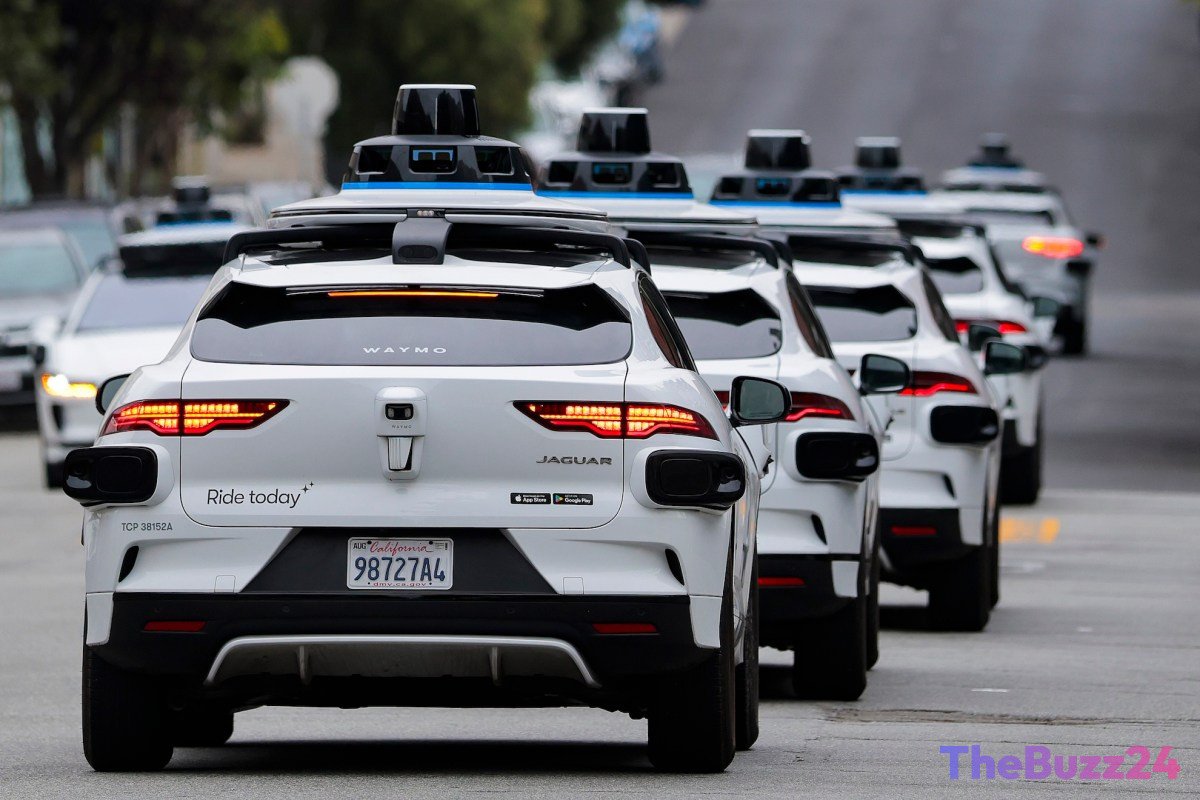
A significant technological and commercial rivalry is intensifying in the autonomous vehicle sector, with Waymo, Alphabet’s self-driving unit, publicly questioning the viability of “pure end-to-end” AI systems for fully autonomous vehicles. These statements, made in a blog post and interviews, implicitly target Tesla’s camera-only approach, coming just a week before the anticipated formal introduction of Tesla’s two-seater Cybercab. Concurrently, Waymo has announced expansion into three new markets, further extending its robotaxi network, which currently serves customers in over a dozen U.S. cities.
Waymo asserts that achieving safe, fully autonomous operations at scale necessitates a comprehensive mix of sensors, including cameras, lidar, and radar. Srikanth Thirumalai, a VP overseeing Waymo’s driving software, emphasized that while cameras are crucial, they are insufficient on their own. Drawing on over 200 million real-world miles, Waymo’s data suggests that this multi-sensor integration creates a robust, redundant “world view” that no single sensor can replicate. The company also warns that pure end-to-end neural architectures, which directly translate raw pixels into steering commands, risk “black box failures” and AI “hallucinations,” which are unacceptable in physical AI systems. Waymo’s conservative, multi-sensor strategy has enabled it to scale a fleet of approximately 4,000 robotaxis, facilitating 500,000 paid trips weekly.
In stark contrast, Tesla, under Elon Musk, has long dismissed lidar as a “crutch,” dedicating its efforts to developing fully autonomous vehicles using only cameras and advanced AI. The company has spent years refining the Cybercab, a purpose-built, two-seater vehicle designed for autonomy from inception, notably lacking a steering wheel or pedals. Tesla’s ambitious plans include producing over 125,000 Cybercabs annually. Despite past delays in achieving Musk’s earlier robotaxi deployment targets, Tesla has been trialing its own robotaxi network with modified Model Y SUVs in select cities, recently removing safety monitors from a majority of these vehicles. The upcoming September 3rd event is expected to unveil the Cybercab, with numerous units already spotted in parking lots, signaling an imminent push for scale.
The stakes in this technological divergence are immense, with the autonomous vehicle market projected to be worth hundreds of billions of dollars. Beyond the fundamental differences in sensor philosophy, a significant cost battle is also emerging. Waymo’s multi-sensor approach, often integrated into vehicles manufactured by other companies, inherently incurs higher costs due to additional hardware and vehicle acquisition expenses. Tesla, by manufacturing its own vehicles and betting on its AI to navigate the world with minimal sensors, aims to achieve a substantial cost advantage. Should Tesla’s AI-first gamble prove successful at scale, it could position the company to significantly undercut competitors like Waymo and even ride-sharing giants on price, fundamentally reshaping the future of mobility.
Key Takeaways
- Waymo is publicly challenging Tesla's AI-only autonomous driving approach, advocating for multi-sensor systems (cameras, lidar, radar) for safety and scalability.
- Tesla is preparing to launch its purpose-built Cybercab, relying solely on cameras and AI, aiming for a cost-effective, high-volume robotaxi network.
- The debate highlights a fundamental divergence in autonomous vehicle development strategies, with significant implications for safety, scalability, and market dominance in a multi-billion dollar industry.
Editor’s Analysis & Impact
The escalating rivalry between Waymo and Tesla signifies a critical juncture in the autonomous vehicle industry. Waymo’s emphasis on multi-sensor redundancy, while potentially more expensive, prioritizes a proven safety record and robust environmental perception. Conversely, Tesla’s camera-and-AI-only strategy, if successful at scale, promises a significant cost advantage and could democratize autonomous mobility faster. The market will closely watch which approach gains regulatory approval and consumer trust, as safety concerns remain paramount. The outcome will not only shape the future of robotaxi services but also influence broader AI development, particularly regarding explainability and reliability in real-world applications. This competition is set to accelerate innovation, potentially leading to a dominant technological standard or a diversified market catering to different safety and cost priorities.
Frequently Asked Questions
Q: What is the core difference between Waymo and Tesla's autonomous driving strategies?
A: Waymo advocates for a multi-sensor approach, integrating cameras, lidar, and radar to create a redundant and robust perception system. Tesla, led by Elon Musk, relies solely on cameras and advanced AI, believing it can achieve full autonomy without additional sensors like lidar.
Q: What is the Cybercab?
A: The Cybercab is Tesla's upcoming purpose-built, two-seater autonomous vehicle designed for its robotaxi network. It is engineered for full autonomy from the outset, notably lacking a steering wheel or pedals, and is expected to be produced in high volumes.
Q: Why is the debate over sensor types so significant?
A: The choice of sensor technology directly impacts safety, scalability, and cost. Waymo argues that multiple sensors are crucial for safety and reliability, especially in complex environments, to prevent 'black box failures' of AI. Tesla believes its AI can overcome the limitations of cameras alone, offering a potentially more cost-effective solution that could accelerate widespread adoption.
AI Disclosure: This article is based on verified data and official reports. Our Team and AI have cross-referenced every financial detail with primary sources to ensure total accuracy.
More from this Category