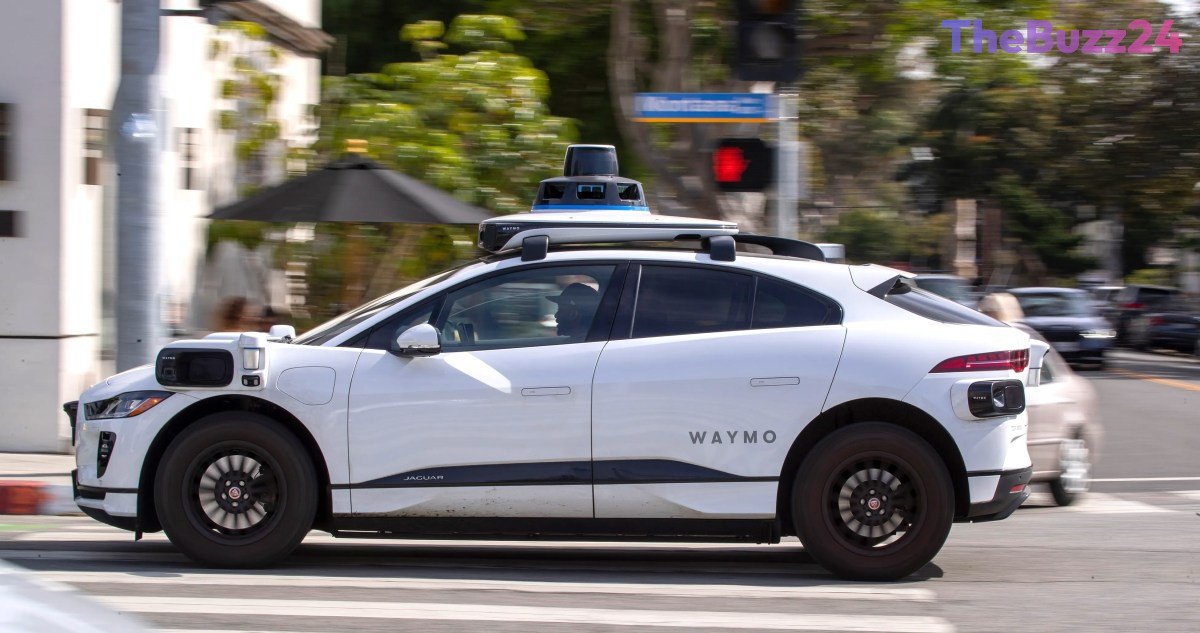
Robotaxi Scaling Poses Occupational Risks as Test Drivers Suffer Injuries From Sudden Braking
As major autonomous vehicle companies accelerate their expansion and testing on public roads, human safety operators are facing growing physical risks. Government safety filings and disclosures from workers reveal that test drivers for leading self-driving fleets have sustained numerous injuries over the past year, primarily caused by abrupt maneuvers and severe deceleration events.
Data submitted to regulatory bodies highlights that employees overseeing autonomous test vehicles have experienced conditions ranging from minor strains to severe whiplash and fractures. These incidents are frequently triggered by software-driven “hard braking” or sudden swerves, often occurring when the autonomous systems falsely detect obstacles or experience unexpected system shutdowns while moving at high speeds. Because regulatory reporting requirements apply specifically to designated transit and higher-hazard industries with large workforces, industry insiders suggest the reported figures may only capture a fraction of the total toll on workers as fleet sizes multiply across major metropolitan areas.
Both major industry participants and newer entrants scaling their operations maintain that safety remains a foundational priority, noting that millions of test miles have been logged globally. Representatives for the firms emphasize that abrupt stopping maneuvers can sometimes be unavoidable during the complex validation process required to deploy fully autonomous hardware safely. Nevertheless, current and former contractors working closely with the self-driving fleets indicate that unexpected brake jabs continue to pose ergonomic and physical challenges for personnel tasked with monitoring vehicle behavior in real time.
With commercial robotaxi services expanding into new urban markets and scaling vehicle deployments, the tension between rapid technological scaling and human worker safety remains a critical hurdle. Industry observers note that as fleets transition toward fully driverless, purpose-built vehicles lacking traditional steering controls, the nature of occupational hazards will likely shift away from test operators toward general passengers and surrounding motorists.
Key Takeaways
- Test drivers for leading autonomous vehicle companies have sustained multiple injuries due to sudden braking and erratic software behaviors.
- Data from regulatory filings reveal issues like whiplash, sprains, and extended leaves of absence resulting from ghost braking and system shutdowns.
- As robotaxi fleets scale and expand into new cities, balancing rapid deployment with human safety operator well-being remains a persistent challenge.
Editor’s Analysis & Impact
The intersection of autonomous vehicle development and occupational health highlights a critical, often-overlooked friction point in the race toward commercial robotaxis. While the public focus frequently centers on passenger safety and autonomous navigation capabilities, the physical toll on safety drivers who must endure repeated high-speed “brake jabs” underscores the immense complexity of perfecting machine-learning driving systems. The data indicates that ghost braking—where the vehicle misinterprets debris or phantom obstacles—is not merely an annoyance but a legitimate physical hazard causing severe whiplash and long-term joint strain. As companies transition toward removing human safety drivers entirely in purpose-built robotaxis, the regulatory and liability landscape will inevitably shift. However, during the crucial ongoing testing and mapping phases, firms must address these ergonomic and software-induced injuries to avoid increased regulatory scrutiny, potential worker strikes, or unionization efforts among testing contractors.
Frequently Asked Questions
Q: Why are autonomous vehicle test drivers getting injured?
A: Test drivers have experienced injuries primarily due to sudden hard braking, erratic steering movements, and unexpected system shutdowns (often called 'nogos') triggered by the autonomous software falsely detecting obstacles or debris.
Q: Which companies are affected by these reported injury data?
A: Publicly available occupational safety data highlights incidents involving test fleets operated by Waymo and Zoox, largely due to their classification under higher-hazard transit reporting requirements.
Q: How do companies respond to hard-braking incidents?
A: Autonomous vehicle developers state that safety is a top priority, noting that hard braking is sometimes unavoidable during complex validation processes and represents a very small percentage of the millions of miles driven.
AI Disclosure: This article is based on verified data and official reports. Our Team and AI have cross-referenced every financial detail with primary sources to ensure total accuracy.
More from this Category