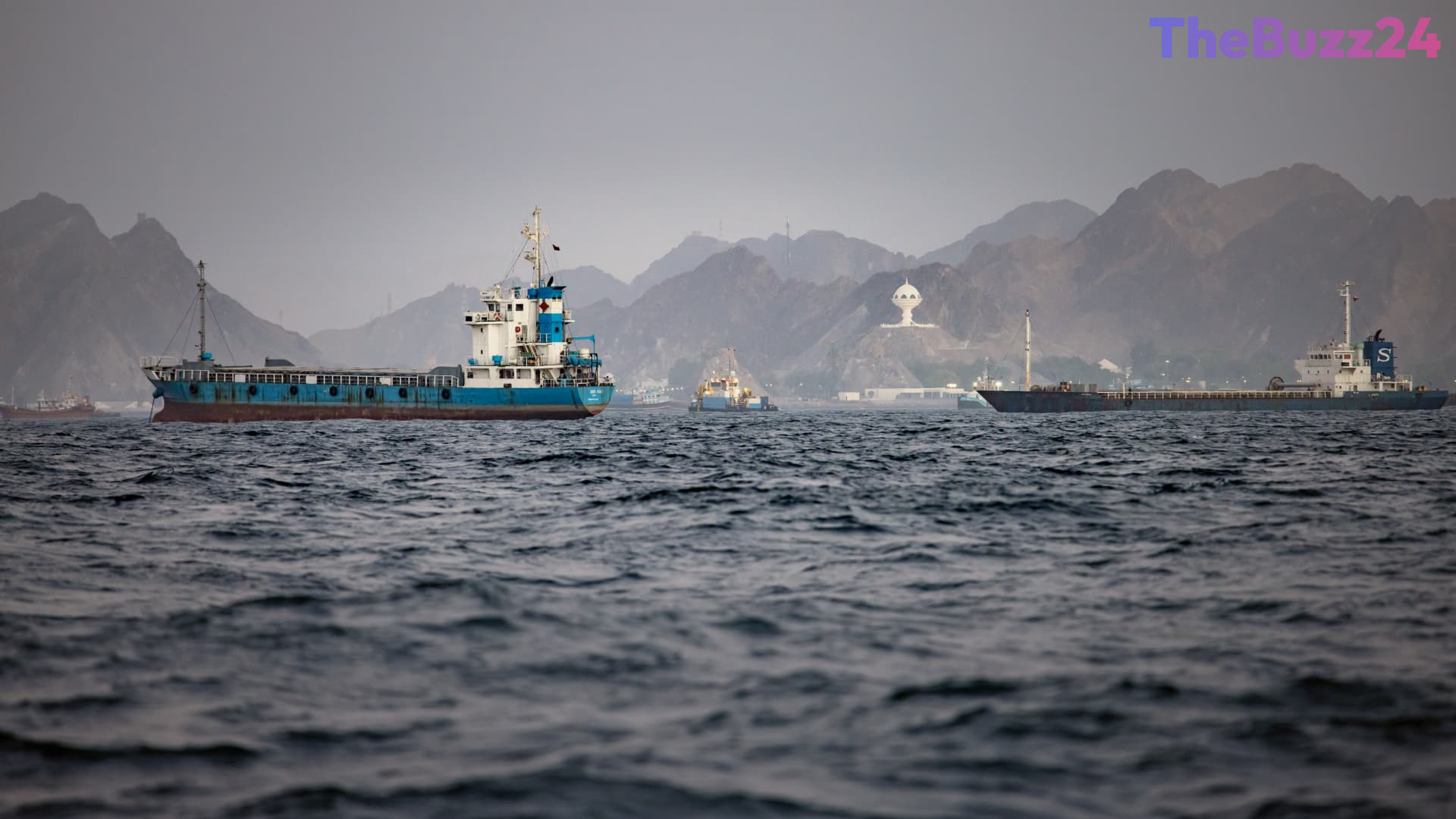
Saudi Arabia Accelerates Oil Exports via Strait of Hormuz Following De-escalation
Saudi Arabia has significantly increased its oil shipments through the Strait of Hormuz following the recent agreement between the United States and Iran to reopen the critical maritime chokepoint. Since June 17, the kingdom has successfully moved approximately 34 million barrels of crude through the strait, marking a substantial recovery in regional energy logistics.
This surge in activity represents more than double the volume recorded during the period between March 9 and June 17, when the kingdom had largely suspended operations at its primary Gulf export terminals, Ras Tanura and Juaymah. During that period of heightened conflict, Saudi Arabia relied heavily on the East-West pipeline to redirect exports to the Red Sea terminal of Yanbu to bypass the volatile waterway.
Data indicates that a significant portion of the recent shipments, roughly 24 million barrels, consisted of backlogged inventory that had been trapped in the Gulf during the height of the hostilities. However, the kingdom is now moving beyond mere backlog clearance. Recent logistics reports confirm that multiple supertankers have entered the Gulf to load fresh supplies, signaling a return to normalized export operations despite lingering geopolitical tensions in the region.
Key Takeaways
- Saudi Arabia has shipped 34 million barrels of oil through the Strait of Hormuz since mid-June, doubling previous export rates.
- The increase in traffic is attributed to both the clearing of a massive pre-war backlog and the resumption of standard export logistics at Gulf terminals.
- Despite recent isolated skirmishes between U.S. and Iranian forces, tanker traffic through the strait is showing signs of stabilization.
Editor’s Analysis & Impact
The resumption of Saudi oil flows through the Strait of Hormuz is a critical indicator of regional stabilization. For global energy markets, the Strait remains a vital artery; its closure or restricted use creates immediate supply chain bottlenecks and price volatility. The fact that Saudi Arabia is not only clearing backlogged inventory but also dispatching new supertankers suggests a high level of confidence in the durability of the current U.S.-Iran agreement. However, the market remains fragile. While the immediate threat of a total blockade has receded, the underlying geopolitical friction between Tehran and Washington means that any further escalation could quickly reverse these gains. Investors should monitor tanker insurance premiums and transit volumes as primary indicators of long-term stability in the region.
Frequently Asked Questions
Q: Why did Saudi Arabia pause shipments through the Strait of Hormuz in March?
A: Shipments were paused due to increased Iranian attacks on commercial tanker traffic, which made the waterway too dangerous for standard operations.
Q: How did Saudi Arabia export oil while the Strait of Hormuz was effectively closed?
A: The kingdom redirected a significant portion of its crude exports through the East-West pipeline, allowing oil to be shipped from the Red Sea terminal of Yanbu instead of the Gulf.
AI Disclosure: This article is based on verified data and official reports. Our Team and AI have cross-referenced every financial detail with primary sources to ensure total accuracy.
More from this Category