Security Crisis in DR Congo as Armed Group Abducts Ebola Patient from Hospital
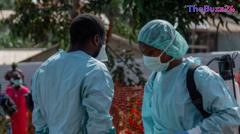
Authorities in the Democratic Republic of Congo are currently engaged in an urgent search for a six-year-old girl and her mother after a group of armed individuals forcibly removed them from the Wanamahika Hospital in Butembo. The assailants, reportedly wielding knives, stormed the medical facility, raising significant concerns regarding the safety of both the patients and the healthcare workers tasked with managing the ongoing Ebola outbreak.
This incident highlights the growing hostility and misinformation surrounding Ebola treatment centers in the region. Many local residents remain deeply skeptical of medical interventions, with some segments of the population viewing the virus as a fabrication or a scheme by external organizations. This climate of fear has led to repeated attacks on isolation facilities, as families often attempt to reclaim the bodies of deceased relatives, despite the extreme risk of infection posed by handling the remains of those who have succumbed to the virus.
Public health officials are warning that the abduction could have dire consequences for the child’s health and the broader community. With the current outbreak involving a rare species of the virus for which no vaccine is currently available, the inability to monitor and treat infected individuals threatens to accelerate the spread of the disease. The situation is further complicated by regional instability, as ongoing conflicts in North and South Kivu hinder the efforts of health organizations to conduct effective contact tracing and provide necessary medical care.
Key Takeaways
- A six-year-old Ebola patient was forcibly removed from a hospital in Butembo by armed individuals.
- Widespread misinformation and distrust of medical facilities continue to fuel violent attacks on Ebola treatment centers.
- Regional conflict and the lack of a vaccine for the current rare strain of the virus are significantly complicating containment efforts.
Editor’s Analysis & Impact
The situation in the Democratic Republic of Congo underscores a critical intersection between public health and geopolitical instability. When medical infrastructure becomes a target of local hostility, the ability of international and domestic health agencies to contain infectious diseases is severely compromised. The market and industry impact is profound; the inability to secure treatment centers leads to a breakdown in trust, which in turn necessitates higher security expenditures and complicates the logistics of aid delivery. Looking forward, the success of containment efforts will depend less on medical technology and more on community engagement and the stabilization of conflict-ridden provinces. If the current trend of insecurity continues, the risk of a widespread regional epidemic increases, potentially necessitating a shift in how global health organizations approach crisis management in volatile environments.
Frequently Asked Questions
Q: Why are people attacking Ebola treatment centers?
A: Many local residents in affected areas harbor deep-seated mistrust of medical institutions, often fueled by misinformation that suggests the virus is a fabrication or a profit-driven scheme by outsiders.
Q: Why is the current Ebola outbreak particularly difficult to manage?
A: The outbreak is complicated by a rare species of the virus for which no vaccine exists, combined with regional armed conflict that prevents health workers from effectively tracing contacts and providing consistent care.
AI Disclosure: This article is based on verified data and official reports. Our Team and AI have cross-referenced every financial detail with primary sources to ensure total accuracy.
More from this Category