Security Questions Mount After Light Aircraft Crashes Into Beijing’s Tallest Skyscraper
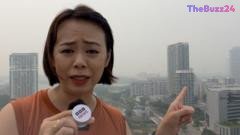
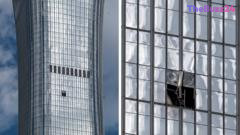
A light aircraft collision with Beijing’s tallest skyscraper, the 109-story CITIC Tower, has raised serious security questions and triggered a massive information blackout across China. The incident, which occurred just a few kilometers from the highly guarded Zhongnanhai compound—the headquarters of the country’s top leadership—resulted in the death of the pilot and left 13 others injured. The aircraft, identified as a two-seat, single-engine Aurora SA60L manufactured by Sunward Aircraft, struck the side of the iconic building, leaving visible damage that was quickly boarded up.
In the days following the crash, official details have remained extremely scarce, with state media releasing only a brief, 60-word statement. Meanwhile, a sweeping censorship campaign has scrubbed dramatic footage of the collision from the internet. The digital cleanup has gone so far as to remove unrelated photographs and memes of the CITIC Tower from social media platforms, where the building is traditionally celebrated as a local landmark. Furthermore, multiple aviation firms have reportedly been ordered to suspend light aircraft operations immediately and have been instructed to remain silent on the matter.
The crash has exposed potential vulnerabilities in Beijing’s airspace security, which is normally subject to some of the strictest controls in the world. The capital enforces a permanent 100-square-kilometer no-fly zone over its political core, making the aircraft’s penetration deep into the city a highly embarrassing security lapse. Analysts suggest the incident could lead to a shakeup within the security and air defense sectors, drawing historical parallels to the 1987 incident where a German pilot bypassed Soviet air defenses to land in Moscow’s Red Square. Whether the crash was caused by mechanical failure, pilot error, or intentional action remains under intense speculation as authorities maintain their tight grip on information.
Key Takeaways
- A single-engine Aurora SA60L aircraft crashed into Beijing's 109-story CITIC Tower, killing the pilot and injuring 13 people.
- Chinese authorities have heavily censored information, removing footage of the crash and unrelated images of the skyscraper from social media.
- The incident represents a major security breach, as the crash occurred near the highly restricted airspace of the Zhongnanhai leadership compound.
Editor’s Analysis & Impact
The CITIC Tower crash highlights a critical vulnerability in Beijing’s seemingly impenetrable air defense and urban security systems. For a government that prides itself on absolute control and stability, the penetration of a light aircraft into the heart of the capital’s political district is deeply embarrassing. The immediate and aggressive censorship campaign reflects a desire to control the narrative and prevent public panic or speculation regarding the competence of state security. Moving forward, this incident is highly likely to trigger a severe regulatory crackdown on general aviation, recreational flight schools, and drone operations across China. Additionally, we can expect quiet but significant personnel changes within Beijing’s air defense and municipal security apparatus as leadership seeks to address this glaring defensive lapse.
Frequently Asked Questions
Q: What type of aircraft was involved in the Beijing skyscraper crash?
A: The aircraft involved was an Aurora SA60L, a two-seat, single-engine light plane manufactured by the Chinese company Sunward Aircraft, typically used for touring and recreational flight.
Q: Why is the location of the crash so sensitive?
A: The CITIC Tower is located just a few kilometers from Zhongnanhai, the heavily fortified compound where China's top political leaders live and work, which is protected by a strict permanent no-fly zone.
Q: How has the Chinese government responded to the incident?
A: The government has released minimal official information, ordered the suspension of light aircraft operations, and implemented strict online censorship to remove videos, photos, and discussions of the crash.
AI Disclosure: This article is based on verified data and official reports. Our Team and AI have cross-referenced every financial detail with primary sources to ensure total accuracy.
More from this Category