Senate Advances Bipartisan Sanctions Package Targeting Russian and Iranian Revenue Streams
The U.S. Senate has initiated the voting process on a significant bipartisan sanctions package designed to disrupt the financial foundations of Russia’s military operations in Ukraine. The legislation, which honors the legacy of the late Senator Lindsey Graham, focuses heavily on restricting Russian oil sales, which proponents identify as the primary revenue source fueling Moscow’s ongoing war efforts.
A bipartisan coalition of senators, including Richard Blumenthal, Katie Britt, Jeanne Shaheen, Roger Wicker, and Jim Risch, successfully negotiated a deal to merge the Russia-focused sanctions with new measures targeting Iran. This strategic combination aims to simultaneously address the Iranian regime’s support for terrorism and its nuclear ambitions, creating a comprehensive legislative front against two of the United States’ primary geopolitical adversaries.
The proposed bill is expansive in scope, targeting a wide array of Russian entities, including government officials, oligarchs, their families, and key financial institutions. Furthermore, the legislation grants the President new authority to impose tariffs on countries that facilitate the evasion of energy sanctions or remain top importers of Russian oil and gas. By leveraging these economic tools, lawmakers intend to exert maximum pressure on the Kremlin and its global enablers, effectively cutting off the resources necessary to sustain the conflict in Ukraine.
Key Takeaways
- The Senate has moved to vote on a bipartisan bill that combines sanctions against Russia's oil sector with new restrictions on Iran.
- The legislation grants the President authority to impose tariffs on nations that continue to purchase Russian energy or assist in sanctions evasion.
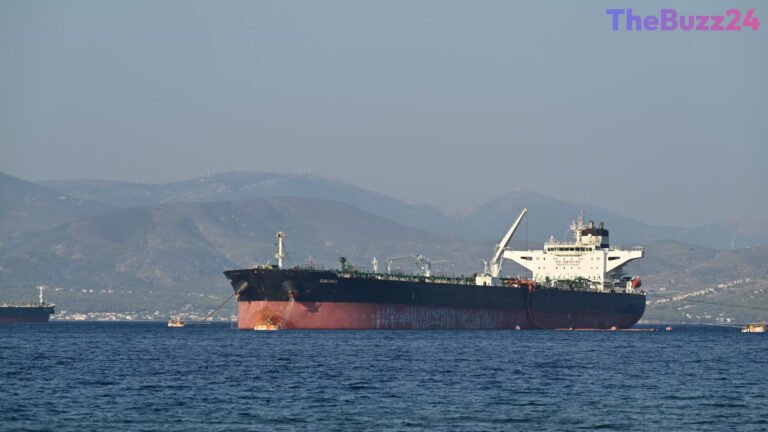
- The bill targets a broad spectrum of Russian interests, including financial institutions, oligarchs, and the country's 'shadow fleet' of oil tankers.
Editor’s Analysis & Impact
This legislative move represents a significant escalation in the use of economic statecraft to influence global conflict. By linking Russian energy revenue to Iranian military support, the Senate is attempting to create a unified front against a growing axis of adversarial cooperation. The inclusion of tariff authority provides the executive branch with a flexible, potent tool to coerce third-party nations into compliance, potentially reshaping global energy trade flows. If passed, this bill could lead to increased volatility in global oil markets as importers are forced to choose between Russian supply and access to the U.S. market. The long-term implication is a more fragmented global economy, where secondary sanctions and tariff threats become standard instruments for enforcing foreign policy objectives, likely accelerating the trend toward economic decoupling between Western and non-Western blocs.
Frequently Asked Questions
Q: What is the primary goal of the new sanctions bill?
A: The bill aims to cripple Russia's ability to fund its war in Ukraine by targeting its oil and gas revenue, while simultaneously restricting Iran's energy and weapons sectors.
Q: How does the bill plan to enforce these sanctions on other countries?
A: The legislation grants the President authority to impose tariffs on the top five importers of Russian oil and the top five countries that facilitate the evasion of energy sanctions.
AI Disclosure: This article is based on verified data and official reports. Our Team and AI have cross-referenced every financial detail with primary sources to ensure total accuracy.
More from this Category