Senate Advances Landmark Bill to Regulate College Athlete NIL Deals Amidst Division
The U.S. Senate is poised to vote on the Protect College Sports Act, a significant bipartisan legislative effort designed to bring order to the rapidly evolving landscape of name, image, and likeness (NIL) compensation for student athletes. This bill aims to formally recognize athletes’ rights to profit from their NIL while also introducing stricter regulations for transfers and eligibility, alongside a controversial antitrust exemption for the NCAA and athletic conferences to enforce these new rules.
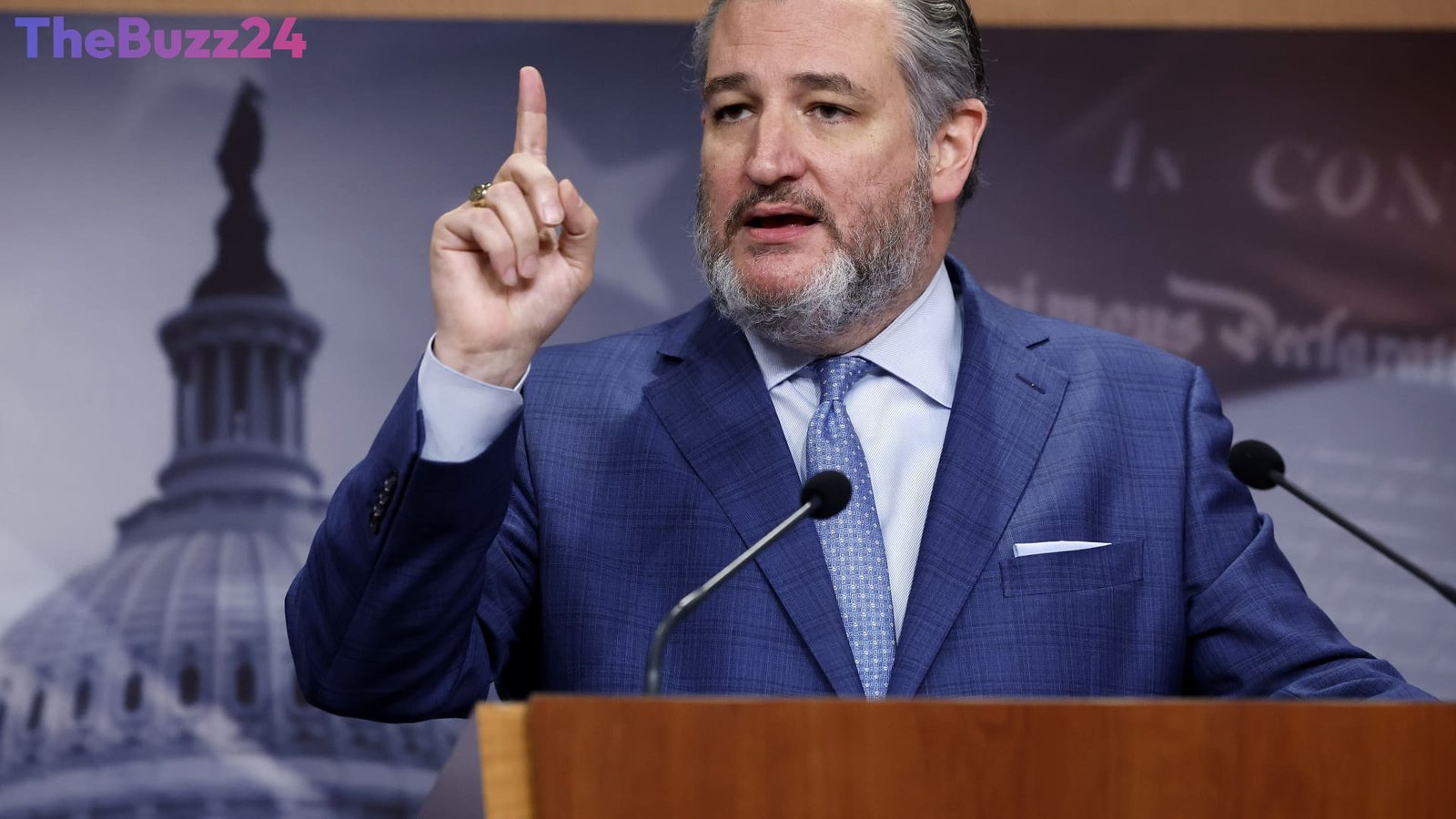
The proposed legislation, co-sponsored by Senators Ted Cruz (R-Texas) and Maria Cantwell (D-Wash.), seeks to establish a national framework for NIL deals, a move intended to curb the perceived chaos that has emerged since the NCAA relaxed its long-standing amateurism rules. The bill would codify athletes’ ability to earn money, permit one penalty-free transfer, cap collegiate eligibility at five years, and potentially increase revenue-sharing pools for direct athlete compensation, with a specific allocation earmarked for women’s and Olympic sports.
While the Protect College Sports Act is expected to clear the Senate, its path forward in the House of Representatives remains uncertain. The House is not scheduled to reconvene until after the 2026 midterm elections, though discussions are reportedly underway to potentially bring them back for a vote. Opposition to the bill has been voiced by groups such as the Congressional Black Caucus and the NAACP, who argue that the legislation could disproportionately benefit major athletic institutions and potentially overlook broader issues of equity and athlete compensation, despite its stated aims to protect athletes.
Key Takeaways
- The Senate is voting on the Protect College Sports Act, a bipartisan bill to regulate NIL deals for college athletes.
- The bill aims to codify athlete NIL rights, tighten transfer/eligibility rules, and grant the NCAA an antitrust shield.
- Passage in the House is uncertain, with opposition from groups like the Congressional Black Caucus and NAACP.
Editor’s Analysis & Impact
The Protect College Sports Act represents a critical juncture for college athletics, attempting to balance the burgeoning commercial interests surrounding student athletes with the need for regulatory oversight. The proposed antitrust exemption is particularly contentious, raising concerns about the NCAA’s power and potential for continued exploitation, as critics suggest. However, proponents argue it’s necessary to create a stable environment for NIL deals and prevent further legal challenges. The bill’s success hinges not only on Senate approval but also on navigating the political complexities of the House and addressing the valid concerns raised by advocacy groups regarding equity and fairness in the evolving landscape of college sports compensation.
Frequently Asked Questions
Q: What is the main goal of the Protect College Sports Act?
A: The primary goal of the Protect College Sports Act is to establish a national framework for regulating name, image, and likeness (NIL) deals for college athletes, while also addressing transfer rules, eligibility, and providing the NCAA with an antitrust exemption for rule enforcement.
Q: Who opposes the Protect College Sports Act?
A: Opposition to the bill has been voiced by groups such as the Congressional Black Caucus and the NAACP, who have raised concerns about potential inequities and the concentration of power within major athletic institutions.
Q: What are some key provisions of the bill regarding athletes?
A: Key provisions include codifying athletes' rights to earn NIL money, allowing one penalty-free transfer, capping eligibility at five years, and potentially increasing revenue-sharing for direct athlete compensation, with specific allocations for women's and Olympic sports.
AI Disclosure: This article is based on verified data and official reports. Our Team and AI have cross-referenced every financial detail with primary sources to ensure total accuracy.
More from this Category