Senate Committee Advances Kids Online Safety Act Amid Legislative Showdown
The Kids Online Safety Act (KOSA) has cleared a significant legislative hurdle after advancing through the Senate Commerce, Science and Transportation Committee. The bipartisan proposal aims to mandate stricter safety standards for social media platforms, requiring them to implement robust parental controls and mitigate design features that may negatively impact the mental health and well-being of minors.
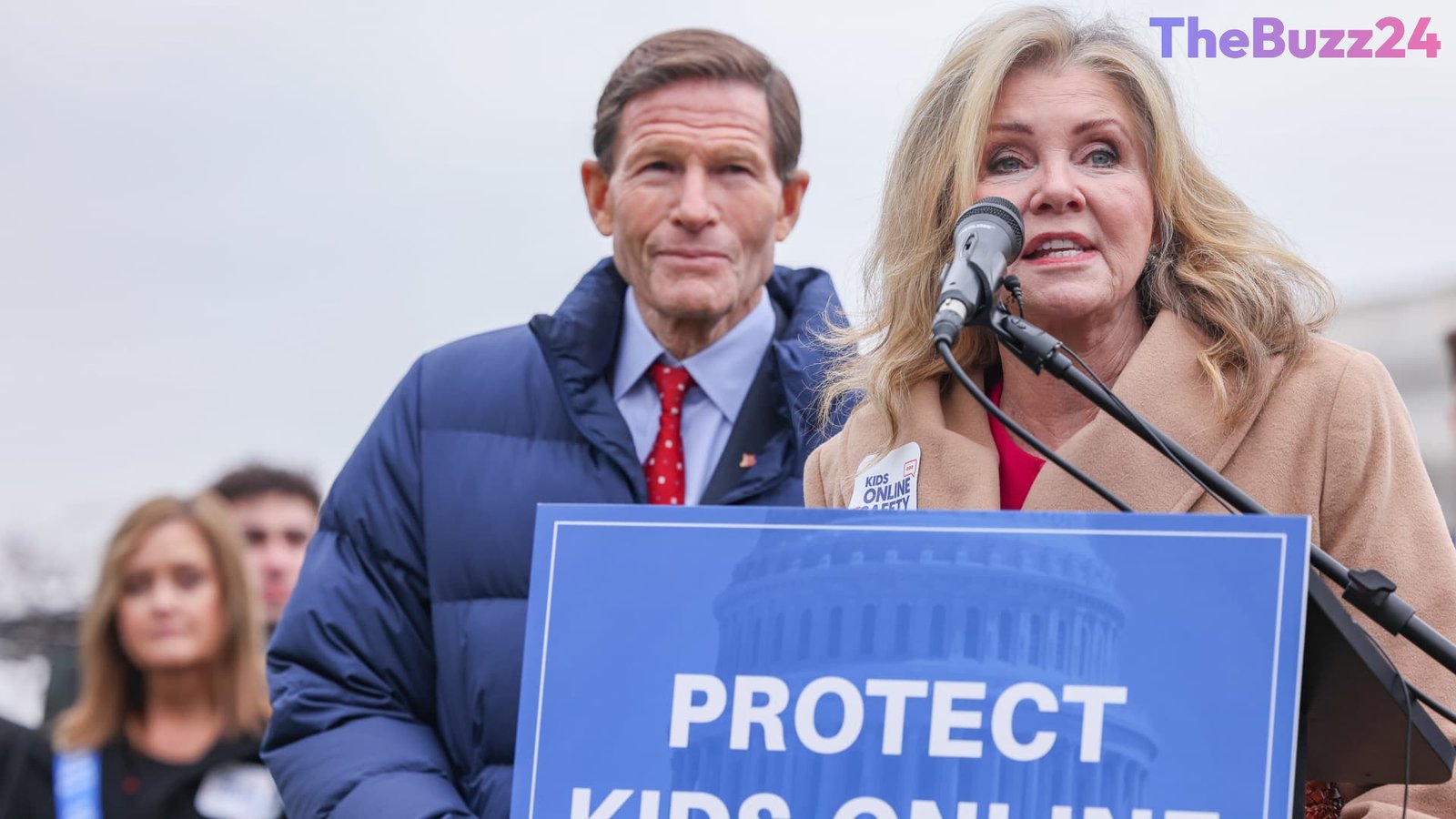
Introduced by Senators Marsha Blackburn and Richard Blumenthal, the bill has garnered substantial support with 76 Senate cosponsors. A central component of the legislation is the ‘duty of care’ provision, which would legally obligate major social media companies—including Meta, Snapchat, and TikTok—to proactively address and prevent harm caused by their platforms. This provision remains a point of contention, as a similar version of the bill passed by the House in June notably lacks this requirement, setting the stage for a complex reconciliation process between the two chambers.
Despite the momentum in the Senate, the path to enactment remains uncertain. Civil liberties organizations, including the American Civil Liberties Union, have raised concerns that the legislation could inadvertently threaten user privacy and lead to government-sanctioned censorship. Furthermore, with the legislative calendar tightening ahead of upcoming elections, lawmakers face a narrow window to resolve differences between the House and Senate versions before the current session concludes.
Proponents of the bill, including committee leadership, remain optimistic about its prospects. They argue that the current regulatory environment allows technology companies to prioritize profit over the safety of young users. As negotiations continue, the focus will remain on whether Congress can bridge the gap between the two chambers to establish a unified federal standard for digital child safety.
Key Takeaways
- The Kids Online Safety Act (KOSA) has advanced through the Senate Commerce Committee with strong bipartisan support.
- The bill introduces a 'duty of care' mandate, requiring social media platforms to actively prevent harm to minors, a provision currently missing from the House version.
- Legislative progress faces potential delays due to disagreements between the House and Senate, as well as concerns from civil liberties groups regarding privacy and censorship.
Editor’s Analysis & Impact
The advancement of KOSA represents a pivotal moment in the ongoing struggle to regulate Big Tech’s influence on youth mental health. By shifting the burden of safety from parents to the platforms themselves, the ‘duty of care’ provision marks a significant departure from previous self-regulatory models. If passed, this legislation would force a fundamental redesign of engagement-driven algorithms and features. However, the industry impact is double-edged; while it promises safer digital environments, it also imposes significant compliance costs and potential legal liabilities on tech giants. The broader implication is a shift toward a more interventionist federal approach to digital architecture. The ultimate success of this bill will likely hinge on whether lawmakers can reconcile the ‘duty of care’ requirement with constitutional concerns regarding free speech and data privacy, setting a precedent for future digital governance.
Frequently Asked Questions
Q: What is the primary goal of the Kids Online Safety Act?
A: The primary goal is to protect children and teens online by requiring social media platforms to implement parental controls and exercise 'reasonable care' to prevent harm caused by their design features.
Q: Why is there a conflict between the House and Senate versions of the bill?
A: The main point of contention is the 'duty of care' provision. The Senate version includes this requirement, which would hold companies legally accountable for harm, while the House version passed in June does not.
AI Disclosure: This article is based on verified data and official reports. Our Team and AI have cross-referenced every financial detail with primary sources to ensure total accuracy.
More from this Category