Shaking Up Wall Street: Fed’s Push for Fewer Meetings Sparks Volatility Fears
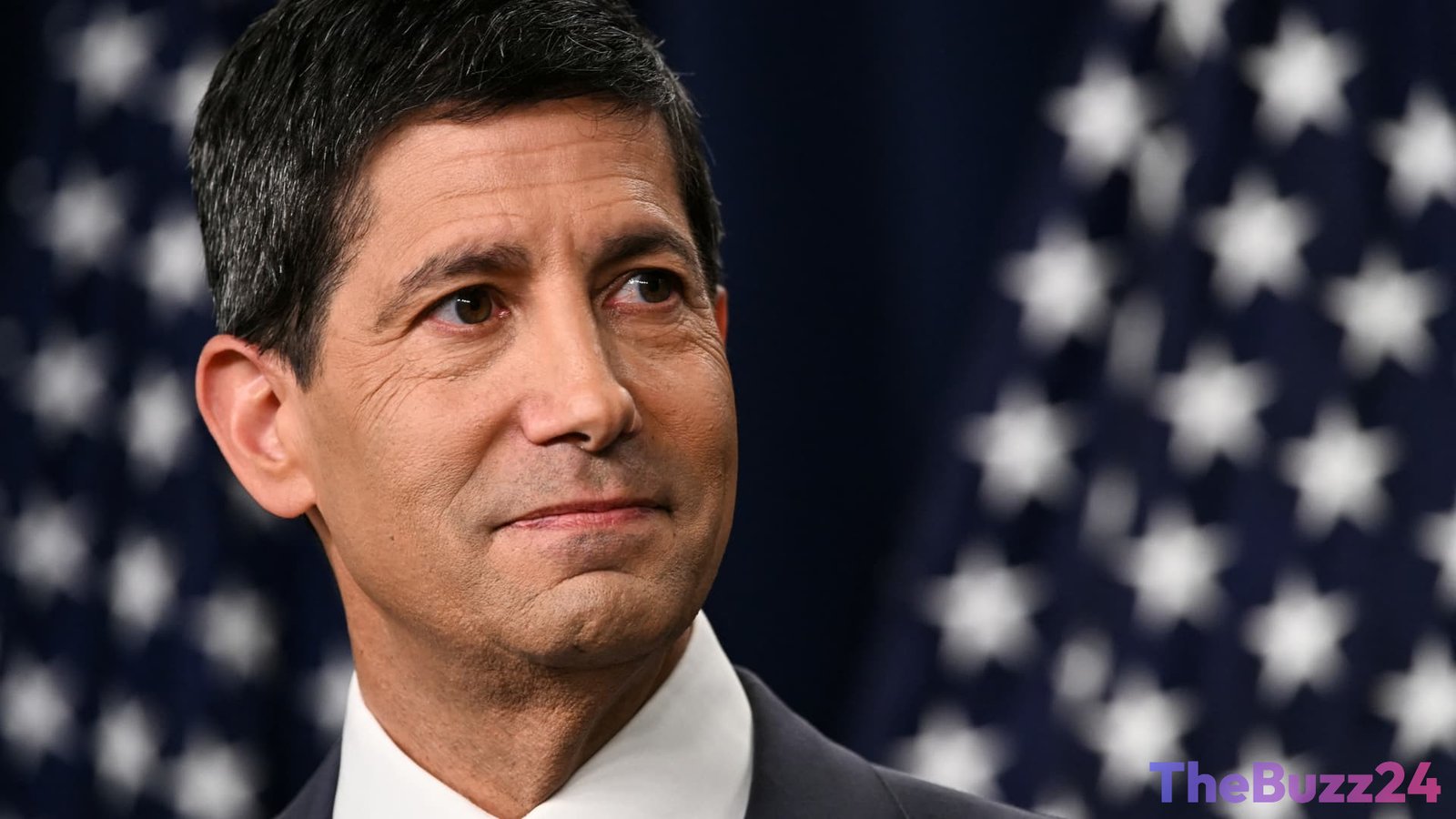
Federal Reserve Chairman Kevin Warsh is contemplating a significant shift in monetary policy operations by potentially reducing the number of annual policy meetings from the traditional eight. This proposal is part of a broader, deliberate strategy by Warsh to scale back the central bank’s communication footprint and minimize its direct influence on financial markets. Since taking office in May, Warsh has consistently moved away from the highly transparent ‘forward guidance’ era of his predecessors, opting instead for shorter post-meeting statements and more guarded public commentary.
The idea of reducing the meeting schedule has found open ears among regional Fed leaders. Minneapolis Fed President Neel Kashkari and Philadelphia Fed President Anna Paulson have both expressed willingness to debate the change, noting that there is no magic number for annual policy gatherings. Historically, the Fed met almost monthly until the early 1980s before settling on eight meetings under Paul Volcker. While the central bank retains the authority to call emergency meetings at any time, doing so carries heavy market signaling risks, making the scheduled meetings highly critical.
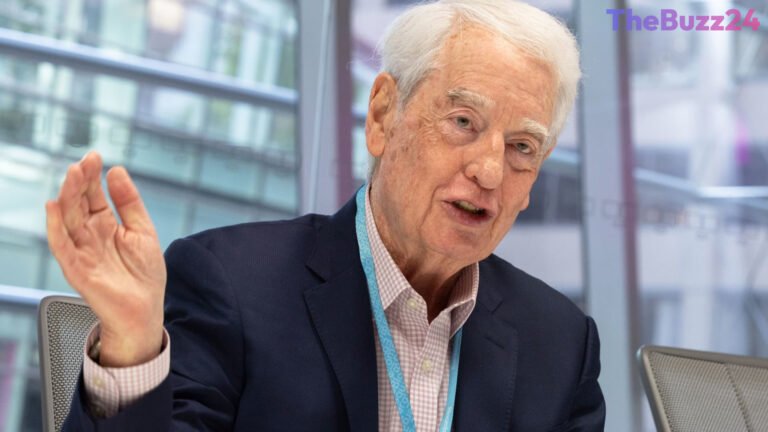
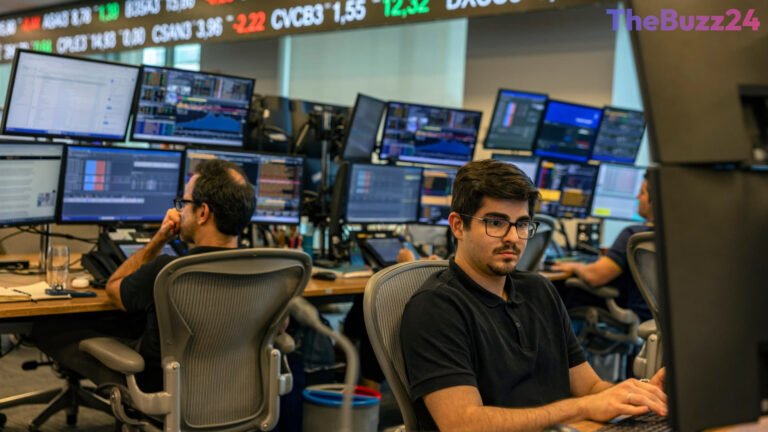
Financial experts are divided on the potential ramifications of a less communicative Fed. Some analysts warn that reducing meetings and limiting forward guidance will inevitably trigger heightened market volatility, forcing investors to hedge against a wider dispersion of outcomes. Critics, including former Fed monetary affairs head Bill English, argue that robust communication is vital for public accountability and policy effectiveness. Conversely, proponents view the shift as a healthy ‘detox’ that forces market participants to focus on actual economic data rather than trying to decode every word of ‘Fedspeak.’
The transition to a less predictable Fed comes at a sensitive time for the U.S. government, which is currently managing over $31 trillion in public debt. If the reduction in Fed transparency leads to a ‘bear steepener’—where long-term bond yields rise faster than short-term rates—it could significantly increase federal debt financing costs. Treasury Secretary Scott Bessent has characterized the new approach as a necessary adjustment, but bondholders remain wary of the added uncertainty. All eyes are now on the upcoming annual economic symposium in Jackson Hole, Wyoming, where Warsh is expected to further outline his vision for the future of monetary policy.
Key Takeaways
- Federal Reserve Chairman Kevin Warsh is considering reducing the number of annual policy meetings from the current standard of eight.
- The proposal is part of a broader effort to scale back the Fed's communication footprint, reversing decades of aggressive transparency and forward guidance.
- While some officials and analysts welcome the shift as a healthy 'detox' that forces markets to focus on raw data, others warn it could trigger significant market volatility and complicate debt financing.
Editor’s Analysis & Impact
Chairman Kevin Warsh’s push to reduce the Federal Reserve’s communication footprint represents a fundamental regime shift in monetary policy. For decades, global markets have relied on highly choreographed ‘forward guidance’ to price assets and manage risk. By dismantling this framework, Warsh is attempting to break the market’s dependency on the central bank, effectively forcing investors to analyze macroeconomic data independently. While this could foster healthier, more fundamentally-driven market dynamics in the long run, the transition period is highly risky. In the short term, reduced transparency is almost certain to elevate volatility across equity and fixed-income markets. Furthermore, with the U.S. government facing massive debt servicing costs, any upward pressure on bond yields resulting from this policy uncertainty could have severe fiscal implications, making this a high-stakes gamble for both Wall Street and Washington.
Frequently Asked Questions
Q: Why is the Federal Reserve considering fewer meetings?
A: Fed Chairman Kevin Warsh wants to reduce the central bank's direct footprint on financial markets. By holding fewer meetings and limiting forward guidance, the Fed aims to encourage investors to react to actual economic data rather than anticipating and overreacting to central bank communications.
Q: How could this change affect the bond and stock markets?
A: Analysts warn that less frequent meetings and reduced transparency could increase market volatility. Without clear signals from the Fed, investors may face a wider range of potential outcomes, which could lead to rapid asset repricing and potentially raise long-term Treasury yields.
Q: Has the Fed always held eight meetings per year?
A: No. The Federal Reserve has adjusted its schedule over the decades. Until the early 1980s, the committee met almost monthly before transitioning to the current schedule of eight meetings per year under former Chairman Paul Volcker.
AI Disclosure: This article is based on verified data and official reports. Our Team and AI have cross-referenced every financial detail with primary sources to ensure total accuracy.
More from this Category