Shock Resignation of Indonesia’s Central Bank Governor Sparks Market Anxiety Over Policy Independence
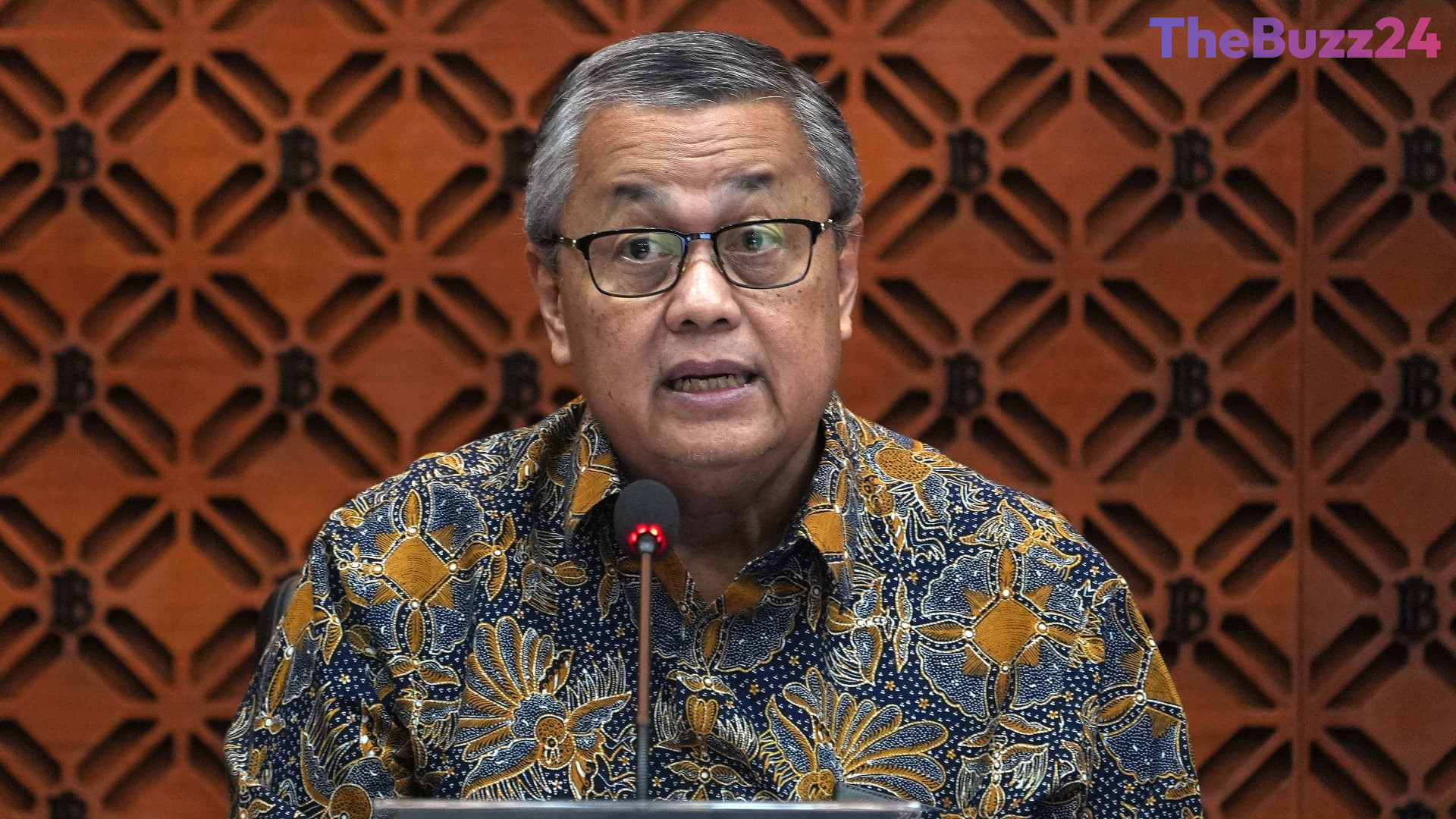
In a sudden development that has sent ripples through Southeast Asian financial markets, Indonesia’s central bank governor, Perry Warjiyo, has stepped down from his post. President Prabowo Subianto accepted the unexpected resignation, which was announced by State Secretariat Minister Prasetyo Hadi just before the opening of Jakarta’s financial markets on Monday. Destry Damayanti, currently serving as the senior deputy governor of Bank Indonesia (BI), has been named interim governor, citing personal reasons for Warjiyo’s departure.
The news triggered immediate volatility in local markets, with the Indonesian rupiah weakening by as much as 0.14% to trade at 17,960 against the U.S. dollar, while the benchmark stock index experienced a brief dip before recovering. Warjiyo, who first took the helm of the central bank in 2018 and was reappointed for a second five-year term in 2023, was widely regarded by international investors as a stabilizing force. His sudden exit raises pressing questions about the future leadership of the central bank and its ability to maintain monetary policy independence under President Prabowo’s growth-focused administration.
Analysts warn that the transition period will be closely scrutinized, particularly regarding who will permanently succeed Warjiyo. While Damayanti provides immediate continuity, speculation surrounding potential candidates—including the President’s nephew and current deputy governor, Thomas Djiwandono—could fuel concerns over political influence within the technocratic institution. This leadership transition comes at a delicate time, following recent legislative changes that expanded Bank Indonesia’s mandate to actively support economic growth, a move that some critics fear could compromise its traditional focus on inflation and currency stability.
Despite the leadership shakeup, interim governor Damayanti sought to reassure global markets, stating that Bank Indonesia remains committed to its core mandate of maintaining the stability of the rupiah and the broader financial system. The central bank recently surprised markets by holding interest rates steady while introducing fresh incentives to attract foreign capital, a strategy aimed at defending the currency amid global economic headwinds. Investors will be watching closely to see if the incoming leadership maintains this cautious, market-friendly approach.
Key Takeaways
- Bank Indonesia Governor Perry Warjiyo has unexpectedly resigned for personal reasons, with Senior Deputy Governor Destry Damayanti stepping in as interim chief.
- The sudden departure triggered immediate fluctuations in the Indonesian rupiah and local stock markets, reflecting investor anxiety over the central bank's future policy direction.
- The leadership transition occurs amid ongoing concerns regarding Bank Indonesia's institutional independence under President Prabowo Subianto's aggressive economic growth agenda.
Editor’s Analysis & Impact
Perry Warjiyo’s sudden departure marks a critical juncture for Indonesia’s macroeconomic stability. As a highly respected technocrat, Warjiyo provided a sense of predictability that global investors valued, especially during periods of emerging market volatility. His exit, coming on the heels of controversial legislative reforms that bind the central bank closer to legislative oversight, intensifies fears of political encroachment on monetary policy. If President Prabowo Subianto appoints a politically aligned successor, it could severely damage Bank Indonesia’s credibility, leading to capital flight and sustained pressure on the rupiah. Conversely, appointing a highly qualified, independent technocrat would reassure markets that Indonesia remains committed to fiscal discipline and institutional autonomy. The coming weeks will be a litmus test for the administration’s commitment to sound economic governance.
Frequently Asked Questions
Q: Why did Perry Warjiyo resign as governor of Bank Indonesia?
A: According to government officials, Warjiyo resigned due to personal reasons, though specific details regarding his departure have not been publicly disclosed.
Q: Who is leading Bank Indonesia following the resignation?
A: Destry Damayanti, the senior deputy governor of Bank Indonesia, has been appointed as the interim governor to ensure policy continuity.
Q: How did financial markets react to the news?
A: The Indonesian rupiah initially weakened against the U.S. dollar and the main stock index dipped, reflecting investor uncertainty, though stocks managed to recover later in the trading session.
AI Disclosure: This article is based on verified data and official reports. Our Team and AI have cross-referenced every financial detail with primary sources to ensure total accuracy.
More from this Category