Singapore Under Intense Scrutiny Amid Allegations of Nvidia Chip Diversion to China
Singapore is facing heightened international scrutiny over its pivotal role as a major billing and potential transit hub for advanced Nvidia AI chips, which U.S. officials allege have ultimately reached China. This comes as the city-state grapples with ongoing investigations into alleged fraud and money laundering linked to technology exports, further complicated by the recent resignation of Nvidia CEO Jensen Huang amidst a related scandal.
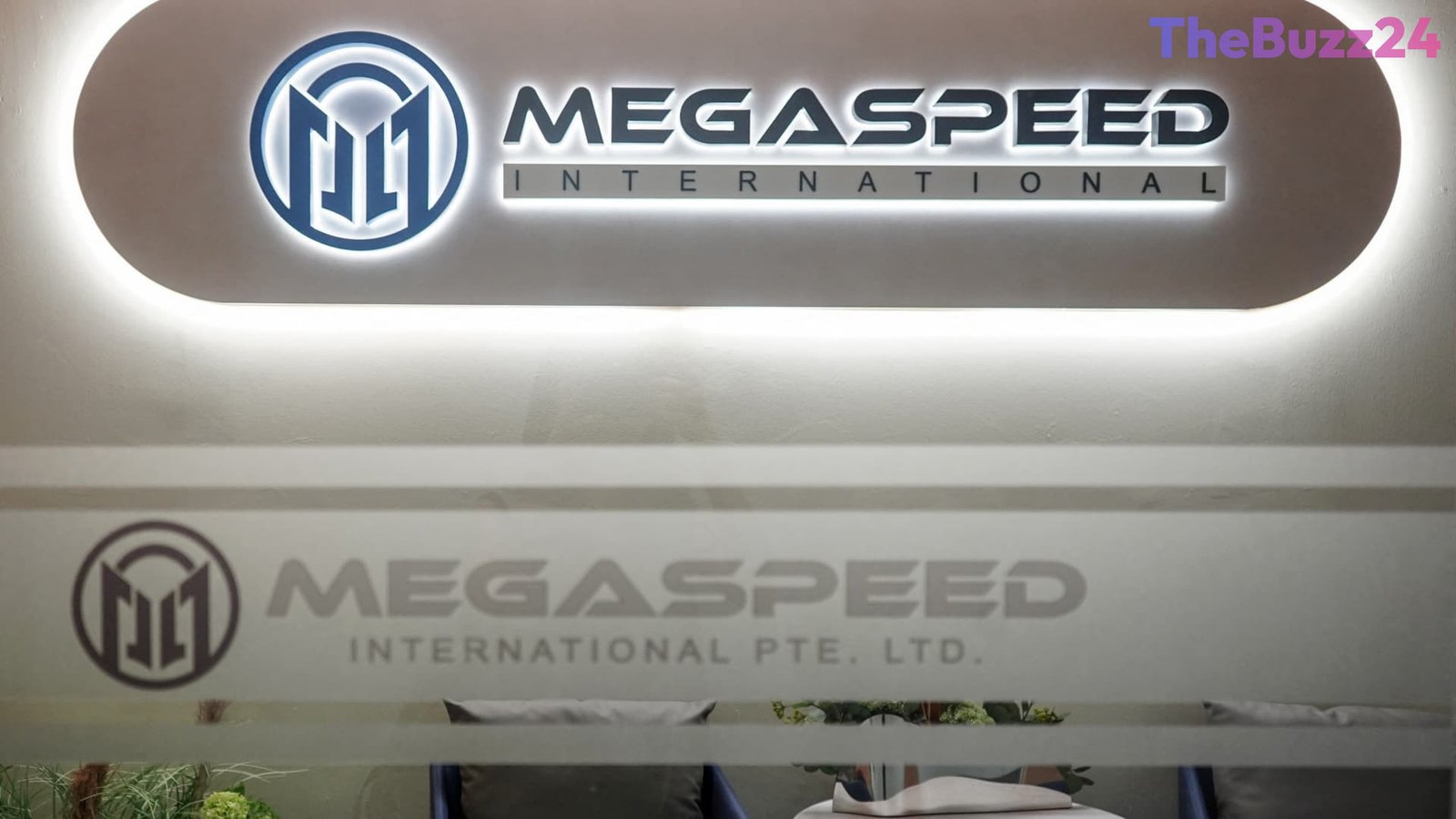
Authorities in Singapore recently barred businesswoman Alice Huang from re-entering the country in February 2026, citing her provision of inaccurate information regarding her involvement with Megaspeed International. This company is central to a broader fraud case involving computer servers, potentially containing Nvidia chips, that were allegedly exported to Malaysia and then possibly rerouted. Prosecutors last March indicated that the alleged transactions in this wider case totaled approximately $390 million. Investigations into several entities, including Megaspeed International, commenced in February 2025 and remain active, focusing on whether servers exported through Singapore were subsequently diverted contrary to declared destinations.
The complexities of enforcing U.S. export restrictions are evident in Singapore, where experts point to gaps in tracing the ultimate destination of advanced AI chips. Singapore’s robust corporate secrecy regulations, designed to protect foreign investors, can inadvertently make it challenging to identify the true recipients of goods, potentially allowing for the obfuscation of financial flows and circumvention of global technology transfer restrictions. While Singapore has intensified efforts to police suspected chip diversions since last year, it has also stated that it received “limited information or assistance” from U.S. authorities regarding its year-long investigation, specifically concerning U.S. server supplier Super Micro Computer Inc.
Despite not enforcing unilateral export controls imposed by other nations, Singapore expects companies operating within its jurisdiction to adhere to foreign export rules in their international business activities. The U.S. has maintained export restrictions on Nvidia’s most advanced AI chips to China since 2022, aiming to curb China’s technological advancements. The situation underscores the intricate challenges in global trade and technology governance, as nations like Singapore navigate their economic interests alongside international pressures to prevent sensitive technologies from reaching unauthorized destinations.
Key Takeaways
- Singapore is under international scrutiny for its role as a potential transit hub for advanced Nvidia AI chips allegedly reaching China, despite U.S. export controls.
- Ongoing investigations in Singapore involve alleged fraud and money laundering, with businesswoman Alice Huang barred from re-entry and Jensen Huang resigning as Nvidia CEO amidst related scandals.
- Challenges in enforcing export restrictions include corporate secrecy in Singapore and limited assistance from U.S. authorities in tracing the ultimate destination of these high-tech components.
Editor’s Analysis & Impact
This situation highlights the increasing difficulty of enforcing export controls in a globally interconnected supply chain, particularly for dual-use technologies like AI chips. For the AI chip market, it signals potential shifts in distribution strategies and increased compliance burdens for manufacturers and distributors. The geopolitical tech rivalry between the U.S. and China is intensifying, pushing countries like Singapore into a delicate balancing act between economic growth and international regulatory compliance. Future outlook suggests tighter international cooperation demands, potentially leading to more stringent oversight on transit hubs and greater scrutiny of corporate structures. This could impact Singapore’s reputation as a neutral business hub if not managed effectively, while also driving innovation in circumvention tactics and counter-measures in the broader tech landscape.
Frequently Asked Questions
Q: Why is Singapore involved in the Nvidia chip controversy?
A: Singapore is a major billing and potential transit hub for Nvidia chips, making it a critical point in the supply chain where advanced AI chips could allegedly be rerouted to destinations like China, despite U.S. export restrictions.
Q: What are the U.S. export restrictions on AI chips to China?
A: Since 2022, the U.S. has imposed restrictions on the export of Nvidia's most cutting-edge AI chips to China, aiming to curb China's technological advancement, particularly in military applications.
Q: Who is Alice Huang and what is her role in this situation?
A: Alice Huang is a businesswoman at the center of a scandal involving Megaspeed International, a company linked to alleged fraud and the potential diversion of Nvidia chips. She was barred from re-entering Singapore for providing inaccurate information and has been identified by U.S. intelligence as a potential Chinese intelligence asset.
AI Disclosure: This article is based on verified data and official reports. Our Team and AI have cross-referenced every financial detail with primary sources to ensure total accuracy.
More from this Category