Sky-High Innovation: NASA’s Tech Drive to Transform Commercial Aviation
Commercial air travel, while a marvel of modern engineering, often grapples with inefficiencies and safety challenges, particularly in congested airport environments. Recognizing these hurdles, NASA is spearheading a comprehensive initiative to integrate cutting-edge autonomous and digital technologies into the commercial airline system. The goal is to create a safer, more efficient, and ultimately more predictable flying experience for millions of passengers worldwide, from takeoff to touchdown.
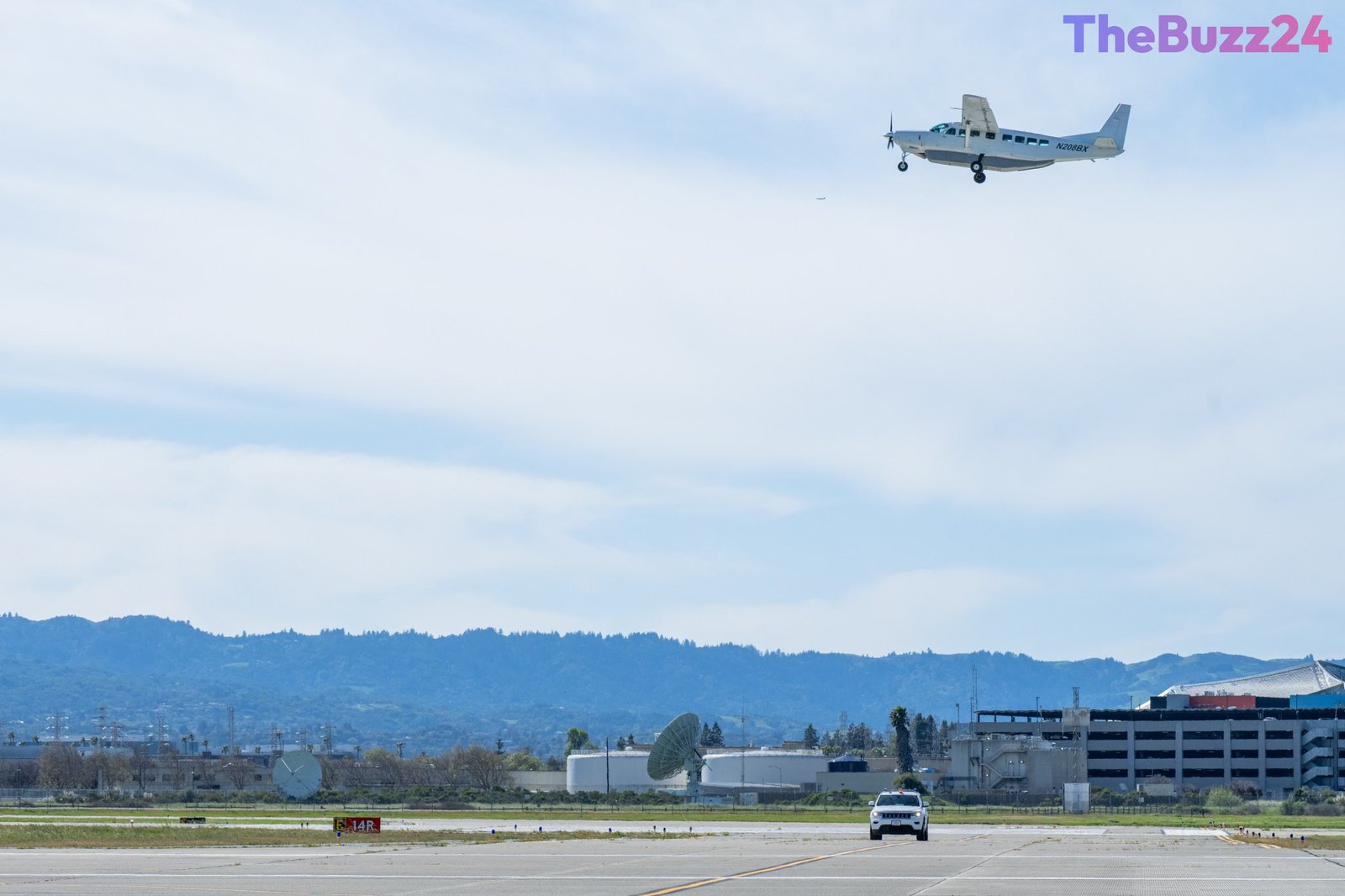
A significant focus of NASA’s research, conducted at facilities like the Ames Research Center in California’s Silicon Valley, targets ground operations. Recent field tests, in collaboration with industry partners such as Boeing, have showcased advanced systems designed to enhance runway and taxiway safety. These innovations include autonomous technology capable of identifying incursions – such as stray vehicles or objects – on runways, providing critical awareness to pilots and preventing potential collisions. Furthermore, digital taxi information systems are being developed to deliver guidance directly to cockpit displays or tablets, reducing reliance on verbal instructions from air traffic controllers and thereby minimizing human error and pilot workload.
Beyond ground operations, NASA’s advancements extend to optimizing flight paths and air traffic management. A collaborative effort involving Boeing, United Airlines, and international partners has explored real-time trajectory sharing for both domestic and transoceanic flights. This system allows aircraft to frequently transmit flight information to airline operations centers and air traffic control, enabling more precise traffic sequencing. The result is fewer instances of aircraft entering holding patterns and a greater likelihood of direct descents, leading to reduced fuel consumption and more punctual arrivals. Complementing this, digital rerouting technology empowers controllers to proactively suggest new flight paths to avoid delays, streamlining communication and decision-making.
These pioneering technologies are not just theoretical; NASA has already begun transferring its routing innovations to the Federal Aviation Administration (FAA) for further testing and potential integration into the national airspace system. By working closely with airlines, manufacturers, and regulatory bodies, NASA is building upon decades of contributions to aviation modernization. The ongoing research and development promise to usher in an era where air travel is not only safer and more reliable but also significantly more efficient, benefiting both the industry and the traveling public.
Key Takeaways
- NASA is developing advanced autonomous and digital technologies to enhance safety and efficiency in commercial air travel.
- Innovations include autonomous runway obstacle detection, digital taxi guidance, and real-time flight trajectory sharing.
- These advancements aim to reduce pilot/controller workload, minimize delays, decrease fuel consumption, and improve overall passenger experience.
Editor’s Analysis & Impact
This initiative by NASA represents a pivotal shift in how commercial air travel is managed, moving towards a more automated and data-driven future. The market impact for the aviation industry is substantial, promising significant operational cost reductions through improved fuel efficiency and minimized delays. Airlines stand to gain from enhanced customer satisfaction due to more predictable schedules and a stronger safety record. The broader implications extend to the standardization of air traffic management globally, potentially influencing regulatory frameworks and aircraft design. While implementation will require considerable investment and coordination between airlines, manufacturers, and regulatory bodies like the FAA, the long-term outlook points towards a more resilient, efficient, and safer global airspace, setting a precedent for integrating advanced AI and automation into critical infrastructure.
Frequently Asked Questions
Q: What specific technologies is NASA developing to modernize air travel?
A: NASA is developing several key technologies, including autonomous systems for detecting runway obstacles, digital taxi guidance for pilots, real-time flight trajectory sharing for improved air traffic management, and digital rerouting tools for controllers to prevent delays.
Q: How will these new technologies benefit commercial airline passengers?
A: Passengers can expect a more reliable and less stressful travel experience. Benefits include fewer flight delays, reduced time spent in holding patterns, more direct descents, and an overall increase in safety due to enhanced situational awareness and reduced human error in critical operations.
Q: When can we expect to see these advanced technologies implemented in commercial flights?
A: While some technologies are already being tested and transferred to the FAA, full implementation across the commercial airline system will be a gradual process. It requires further testing, regulatory approval, and integration by airlines and airports, suggesting a phased rollout over the coming years.
AI Disclosure: This article is based on verified data and official reports. Our Team and AI have cross-referenced every financial detail with primary sources to ensure total accuracy.
More from this Category