Somali World Cup Referee Denied US Entry Despite Valid Visa, Citing ‘Right Papers’
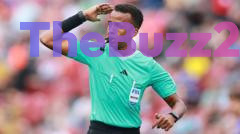
Omar Artan, a Somali referee poised to make history as the first from his nation to officiate at a World Cup finals, has been denied entry into the United States for the upcoming tournament. Despite possessing what he described as the “right papers” and a valid visa, Artan underwent an extensive 11-hour immigration interview at Miami International Airport before being repatriated. This decision has led to his removal from the official list of World Cup referees.
Fifa, the global governing body for football, confirmed Artan’s exclusion, stating that they are not involved in host country immigration processes. “Fifa can confirm that match official Omar Abdulkadir Artan will be unable to train and officiate at the Fifa World Cup 2026 after he was denied entry into the United States,” a statement read. The organization has been informed that Mr. Artan’s status is unlikely to change.
Sources close to the Somali ministry of youth and sports corroborated that Artan was traveling with all necessary documentation, including a diplomatic passport issued to facilitate his journey after previous visa complications. Artan expressed profound disappointment, stating, “I am just simply a referee who is trying to live his dream – the biggest dream of my life, to come to the World Cup.” He recounted being detained for several hours after the interview before being placed on a flight back to Istanbul.
The incident occurs amidst broader concerns about the World Cup’s organization, with some commentators labeling it a “World Cup of chaos” due to various logistical and administrative issues affecting fans, players, and officials. The US Customs and Border Patrol has not officially released a reason for Artan’s denied entry, though Somalia is among the countries previously subject to travel restrictions under an administration policy.
Key Takeaways
- Somali referee Omar Artan was denied entry to the US for the World Cup despite holding valid travel documents and a visa.
- Fifa confirmed Artan's exclusion, stating they do not control host country immigration policies.
- The incident adds to a series of organizational issues and controversies surrounding the World Cup.
Editor’s Analysis & Impact
The denial of entry for Omar Artan highlights the complex intersection of international sports events and national immigration policies. While Fifa maintains a neutral stance on visa adjudications, such incidents can cast a shadow over the inclusivity and spirit of global tournaments. The situation raises questions about the vetting processes and potential biases that could affect officials from certain nations. For the World Cup, this serves as another point of contention in an event already facing scrutiny over its organization, potentially impacting the perception of the host nation’s readiness and hospitality. The long-term implications could involve increased diplomatic efforts to ensure fair treatment for athletes and officials in future international competitions.
Frequently Asked Questions
Q: Why was Omar Artan denied entry into the United States?
A: The specific reason for Omar Artan's denied entry has not been officially released by US immigration authorities. However, Somalia is among the countries that have previously been subject to travel restrictions.
Q: What is Fifa's role in this situation?
A: Fifa has confirmed that Omar Artan will not be able to officiate at the World Cup due to the entry denial. However, Fifa stated that they are not involved in host country immigration processes, including visa adjudications, and cannot influence the decision.
Q: What does this mean for Omar Artan's World Cup dream?
A: Omar Artan has expressed deep disappointment, stating that his dream of officiating at the World Cup has been shattered. He has been removed from the list of officials for the tournament.
AI Disclosure: This article is based on verified data and official reports. Our Team and AI have cross-referenced every financial detail with primary sources to ensure total accuracy.
More from this Category