Mid-Air Collision Investigation Reveals Pilots Prioritized Photography Over Flight Safety
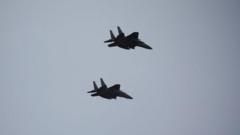
A formal investigation into a 2021 mid-air collision involving two South Korean F-15K fighter jets has concluded that the incident was caused by pilots attempting to capture personal photos and videos during a training mission. The collision, which took place over the city of Daegu, resulted in substantial damage to both aircraft, with repair costs totaling approximately 880 million won. Miraculously, both pilots managed to land their damaged jets safely, and no injuries were reported.
The investigation uncovered that the incident was triggered by a pilot attempting to document his final flight with his unit, a practice that was reportedly common among personnel at the time. During the flight, the wingman pilot performed an aggressive maneuver to improve his camera angle, causing the two jets to close the distance between them rapidly. Despite an attempt by the lead pilot to descend and avoid contact, the aircraft clipped one another, damaging the lead jet’s left wing and the wingman’s tail stabilizer.
Legal proceedings followed the incident, with the wingman pilot initially facing the full cost of the repairs. However, an audit later reduced his liability to 88 million won. The auditing body determined that the air force shared responsibility for the accident due to a lack of strict regulations regarding the use of personal devices in the cockpit. The reduced fine also took into account the pilot’s clean service record and his successful efforts to land the compromised aircraft, preventing a total loss of the expensive military hardware.
Key Takeaways
- A 2021 collision between two F-15K fighter jets was caused by pilots attempting to take photos during a flight.
- Repair costs for the damaged aircraft were estimated at 880 million won, though the pilot's liability was later reduced to 88 million won.
- The investigation highlighted systemic failures in military oversight regarding the use of personal electronic devices in cockpits.
Editor’s Analysis & Impact
This incident serves as a stark case study on the intersection of modern personal technology and high-stakes professional environments. While the desire to commemorate a career milestone is human, the failure to maintain situational awareness in a high-performance military aircraft highlights a significant lapse in safety culture. The decision to reduce the pilot’s financial liability acknowledges that the responsibility for such accidents often lies with organizational oversight rather than just individual error. Moving forward, this case underscores the necessity for strict ‘no-distraction’ policies in aviation, as the proliferation of personal recording devices continues to pose risks to operational security and safety. The military’s shift in policy following this event reflects a broader industry trend toward tightening restrictions on personal technology in critical infrastructure and defense roles.
Frequently Asked Questions
Q: Were there any casualties in the F-15K collision?
A: No, both pilots survived the incident without injury and were able to land their damaged aircraft safely.
Q: Why was the pilot's fine reduced from 880 million won to 88 million won?
A: The auditing body found that the air force shared responsibility for failing to regulate the use of personal cameras and considered the pilot's unblemished service record and successful emergency landing.
AI Disclosure: This article is based on verified data and official reports. Our Team and AI have cross-referenced every financial detail with primary sources to ensure total accuracy.
More from this Category