South Korean President Urges Preparedness Amid Shifts in U.S. Military Drill Strategy
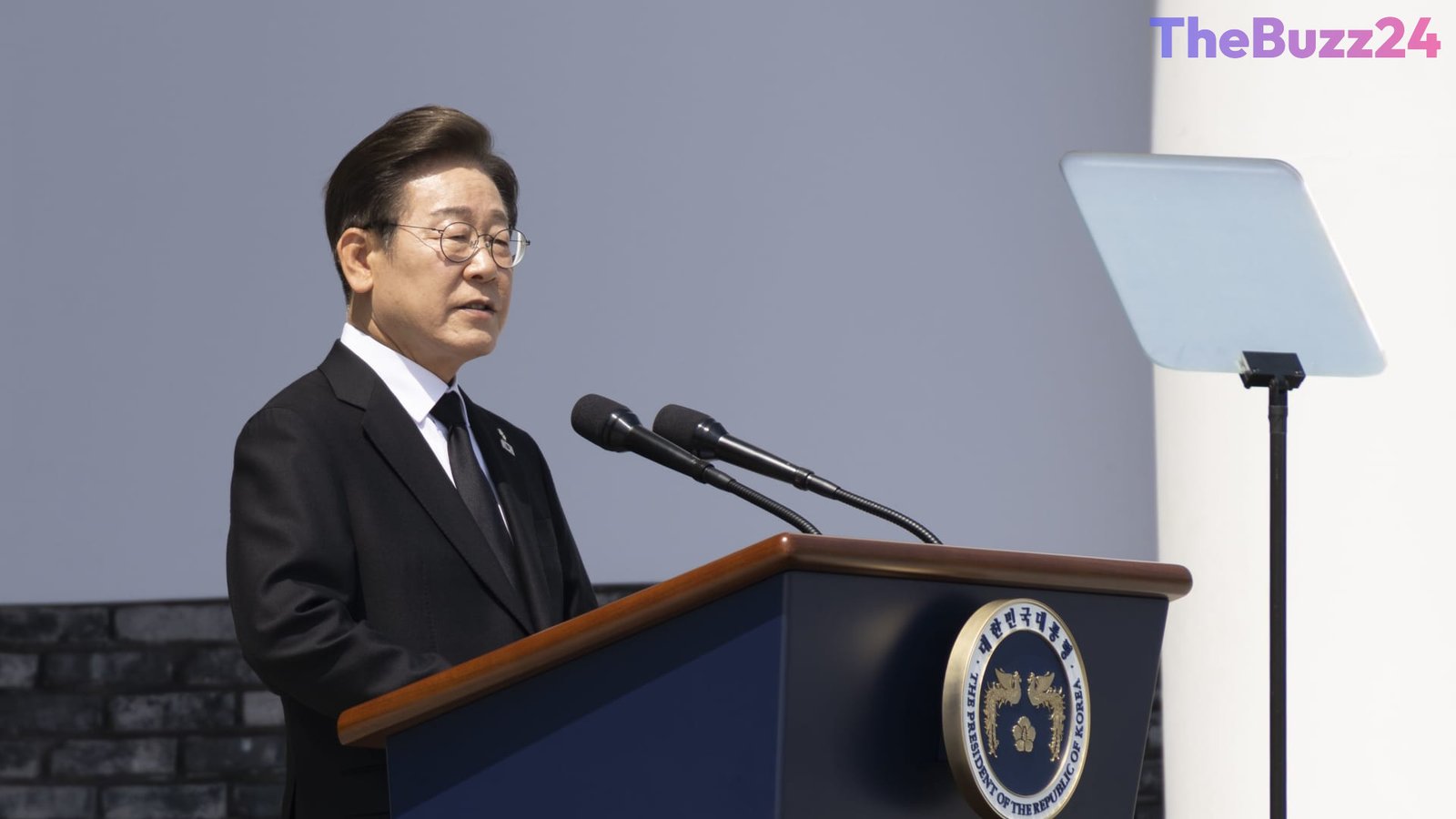
South Korean President Lee Jae Myung has emphasized that while maintaining peace remains the nation’s highest priority, the country must proactively prepare for a ‘worst-case scenario.’ This call for vigilance follows a directive from U.S. President Donald Trump to significantly scale back joint military exercises between the two nations. The annual drills, known as Ulchi Freedom Shield, are currently underway with approximately 18,000 South Korean personnel participating, and are scheduled to conclude on August 27.
President Lee maintained that the exercises are strictly defensive in nature and are not designed to provoke North Korea or escalate regional tensions. Despite these assurances, Pyongyang has historically condemned the joint maneuvers, characterizing them as rehearsals for an invasion. The North Korean foreign ministry recently reiterated this stance, suggesting that the U.S. is using these drills to finalize preparations for a potential military confrontation.
The reduction in the scope of these exercises comes amid broader diplomatic friction. President Trump has publicly questioned South Korea’s level of support regarding U.S. operations in Iran, linking the presence of approximately 28,500 U.S. troops on the Korean Peninsula to the necessity of mutual cooperation. Analysts suggest that the U.S. administration is utilizing the military drills as a strategic bargaining chip, aiming to foster dialogue with North Korean leader Kim Jong Un while simultaneously managing shifting geopolitical priorities in the Middle East.
Key Takeaways
- South Korean President Lee Jae Myung has called for national readiness for a 'worst-case scenario' despite ongoing peace efforts.
- U.S. President Donald Trump has ordered a reduction in joint military drills with South Korea to avoid appearing hostile toward North Korea.
- The U.S. administration is reportedly using the military exercises as a diplomatic tool to influence North Korean relations and address other global conflicts like Iran.
Editor’s Analysis & Impact
The decision to scale back joint military exercises represents a significant pivot in U.S.-South Korea security cooperation, reflecting a transactional approach to traditional alliances. By leveraging military readiness as a diplomatic instrument, the current U.S. administration is attempting to prioritize direct engagement with Pyongyang over established defense protocols. This strategy introduces a layer of uncertainty for Seoul, which relies on the U.S. security umbrella to deter North Korean aggression. Moving forward, the regional stability of the Korean Peninsula will likely depend on whether this ‘softening’ of military posture successfully incentivizes North Korean denuclearization or if it inadvertently creates a power vacuum that emboldens Pyongyang. The broader implication is a potential weakening of the long-standing ROK-U.S. alliance, forcing South Korea to reconsider its own defense autonomy in an increasingly unpredictable geopolitical climate.
Frequently Asked Questions
Q: What is the purpose of the Ulchi Freedom Shield exercises?
A: The exercises are described by South Korean officials as annual, defensive maneuvers intended to ensure military readiness and are not designed to provoke or attack North Korea.
Q: Why is the U.S. reducing the scale of these military drills?
A: President Trump ordered the reduction to avoid sending a signal that could be perceived as hostile by North Korea, aiming to maintain a positive relationship with Kim Jong Un and potentially facilitate future diplomatic talks.
AI Disclosure: This article is based on verified data and official reports. Our Team and AI have cross-referenced every financial detail with primary sources to ensure total accuracy.
More from this Category