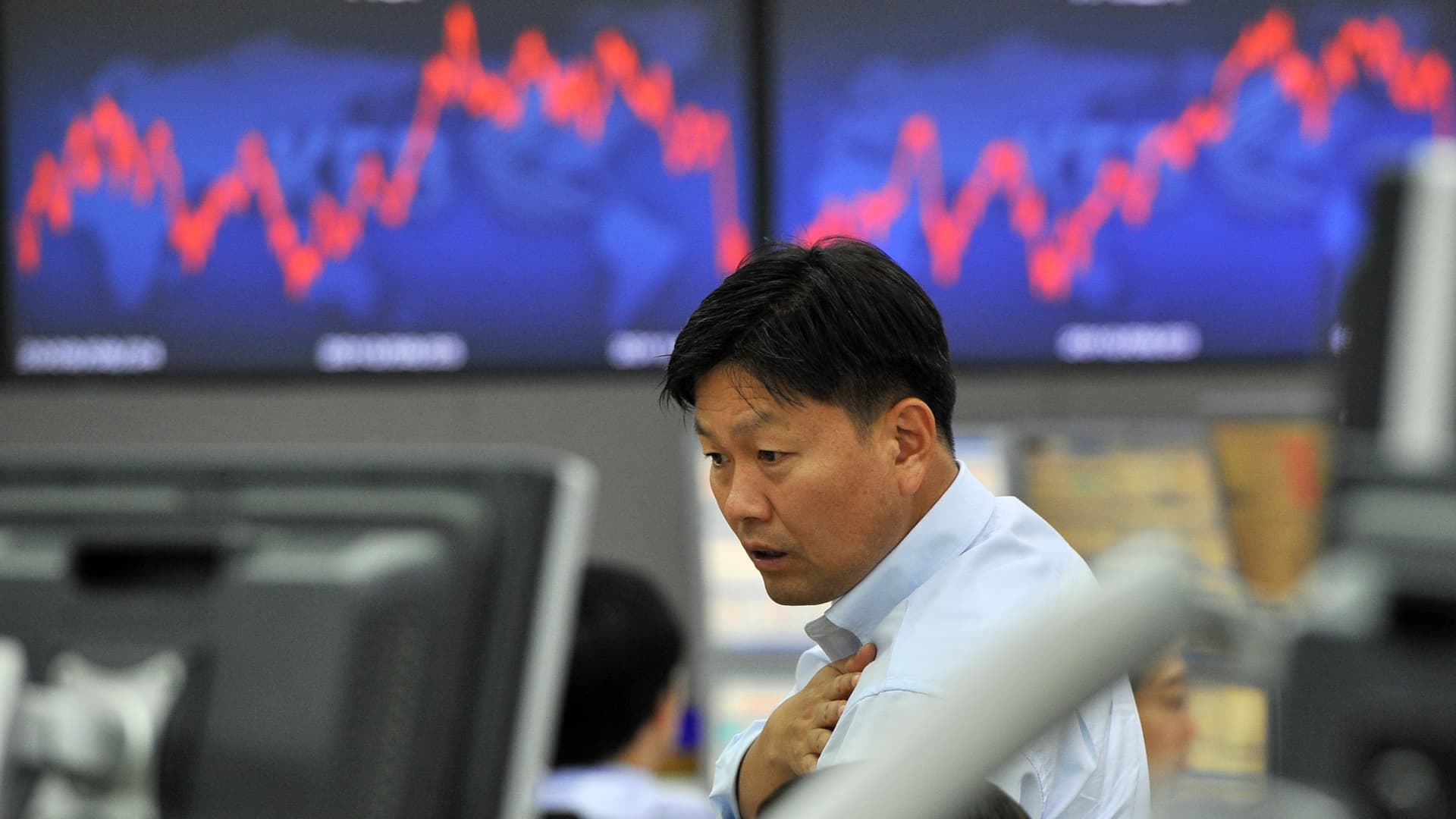
South Korean Retail Investors Pivot to U.S. Markets in Record-Breaking Capital Shift
South Korean retail investors, often referred to as ‘seohak ants,’ are aggressively diversifying their portfolios by moving massive amounts of capital into United States equities. Throughout 2025, South Korea solidified its position as the third-largest foreign purchaser of U.S. stocks, trailing only Singapore and Norway. The total investment volume reached $73.6 billion, a staggering five-fold increase compared to the previous year’s figures.
This trend persists despite a robust performance from the domestic Kospi index, which saw a 75% return last year and continues to hit new milestones. The primary driver behind this exodus of capital appears to be a preference for the structural advantages of the American market. Investors are increasingly prioritizing the transparency, superior corporate governance, and shareholder-friendly policies—such as consistent dividend payouts and active stock buyback programs—that are more prevalent in U.S. corporations.
Currently, U.S. assets comprise 63.4% of South Korea’s total external portfolio, dwarfing investments in other global markets. This concentration reflects a deep-seated belief in the long-term stability and growth trajectory of American companies. While the South Korean government has attempted to stem this capital flight by offering tax incentives for reinvesting in domestic markets, these measures have yet to dampen the enthusiasm of retail investors, who continue to net-purchase U.S. stocks at a high velocity into 2026.
Key Takeaways
- South Korean retail investors funneled $73.6 billion into U.S. stocks in 2025, a five-fold increase over the prior year.
- The shift is driven by a preference for U.S. corporate transparency, dividend policies, and shareholder-friendly governance.
- Government tax incentives designed to encourage domestic reinvestment have so far failed to slow the momentum of capital moving to the U.S.
Editor’s Analysis & Impact
The massive migration of South Korean retail capital toward U.S. equities signals a fundamental shift in investor sentiment regarding domestic market limitations. While the Kospi has performed well, the ‘seohak ants’ are clearly prioritizing structural quality and shareholder returns over local market growth. This trend poses a long-term challenge for South Korean policymakers, who must now grapple with the reality that domestic market performance alone is insufficient to retain capital. If this trend continues, it may force a broader reform of South Korean corporate governance standards to align with international expectations. For the U.S. market, this influx provides a steady stream of liquidity, though it also underscores the global reliance on American markets as the primary vehicle for wealth preservation and growth, potentially increasing the sensitivity of South Korean retail portfolios to U.S. macroeconomic volatility.
Frequently Asked Questions
Q: Who are the 'seohak ants'?
A: The term 'seohak ants' refers to South Korean individual retail investors who actively invest in overseas markets, particularly the United States.
Q: Why are South Korean investors choosing U.S. stocks over domestic ones?
A: Investors are primarily drawn to the U.S. market due to better corporate governance, higher transparency, and more consistent shareholder-friendly practices like dividends and buybacks.
AI Disclosure: This article is based on verified data and official reports. Our Team and AI have cross-referenced every financial detail with primary sources to ensure total accuracy.
More from this Category