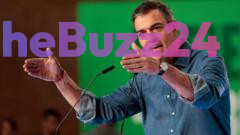
Spain’s Government Under Siege: Prime Minister Sánchez Faces Growing Corruption Scandals
Prime Minister Pedro Sánchez is currently navigating the most precarious period of his eight-year tenure as the leader of Spain. His administration is grappling with a mounting series of corruption investigations that have penetrated the upper echelons of the Socialist Party, fueling intense demands from opposition leaders for his immediate resignation. The political climate has reached a boiling point following a police raid on the party’s Madrid headquarters, which was conducted as part of an inquiry into alleged attempts to undermine judicial and law enforcement officials.
The legal scrutiny has moved beyond the party structure to directly impact the Prime Minister’s personal life and inner circle. Investigations into influence peddling and the potential misuse of funds have ensnared both his brother, David Sánchez, and his wife, Begoña Gómez. The situation has been further complicated by the inclusion of former Prime Minister José Luis Rodriguez Zapatero in a separate probe concerning a government airline bailout, a development that has rattled the party’s foundational leadership and its moral standing.
These developments compound existing pressures from previous scandals, most notably the kickback scheme involving pandemic-era medical contracts that implicated former transport minister José Luis Ábalos. While Sánchez continues to assert his innocence and remains committed to finishing his legislative term, his minority coalition government is showing signs of significant strain. With regional allies growing increasingly restless and internal party dissent rising, the Prime Minister’s long-term political survival remains highly uncertain as he attempts to balance governance with a barrage of judicial challenges.
Key Takeaways
- Prime Minister Pedro Sánchez is facing a series of corruption investigations targeting his party, his family, and his inner circle.
- Recent legal actions include a police raid on the Socialist Party headquarters and ongoing probes into the Prime Minister's wife and brother.
- Despite calls for resignation and early elections, Sánchez maintains his intent to serve out his term, though his coalition government faces increasing instability.
Editor’s Analysis & Impact
The current political crisis in Spain represents a critical inflection point for the Socialist Party. The accumulation of judicial probes targeting the Prime Minister’s immediate family and high-ranking party officials creates a ‘death by a thousand cuts’ scenario that erodes public trust and complicates legislative efforts. While Sánchez has historically demonstrated remarkable political resilience, the breadth of these investigations—ranging from pandemic-era procurement to influence peddling—makes it difficult for the administration to control the narrative. The future of the government hinges on the judicial outcomes; any formal charges against key figures could trigger a collapse of the minority coalition. Investors and regional partners are likely to adopt a wait-and-see approach, as the potential for snap elections or a leadership transition increases, creating significant uncertainty for Spain’s economic and policy trajectory in the coming months.
Frequently Asked Questions
Q: What are the primary allegations against Prime Minister Pedro Sánchez's family?
A: The Prime Minister's wife, Begoña Gómez, is under investigation for potential misuse of funds and influence peddling, while his brother, David Sánchez, is facing trial regarding allegations of influence peddling.
Q: Why is the investigation into former Prime Minister José Luis Rodriguez Zapatero significant?
A: Zapatero is considered a long-standing ally and a moral figurehead for the Socialist Party; his involvement in a probe regarding a government airline bailout has caused significant shockwaves within the party's establishment.
AI Disclosure: This article is based on verified data and official reports. Our Team and AI have cross-referenced every financial detail with primary sources to ensure total accuracy.
More from this Category