State Coalition Challenges Federal Oversight of Sports Prediction Markets
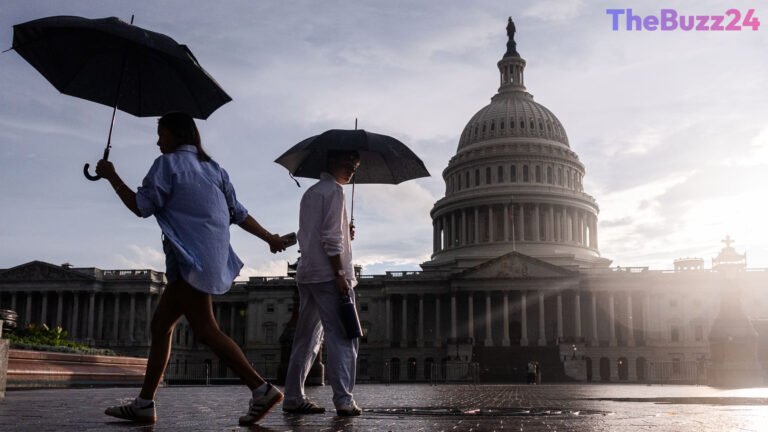
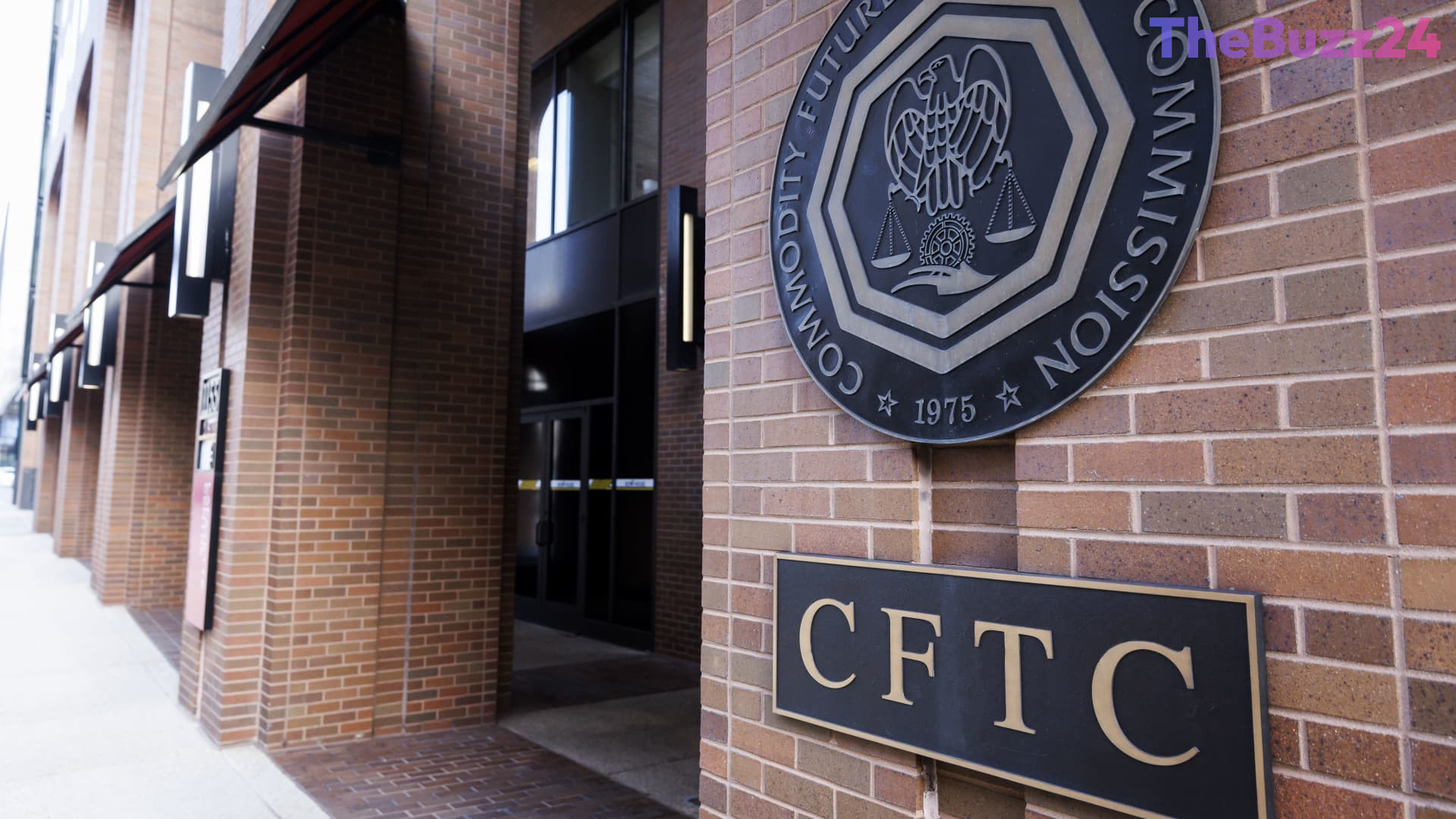
A powerful bipartisan coalition of attorneys general from 44 states has formally contested the federal government’s authority over sports-related event contracts. In a joint submission to the Commodity Futures Trading Commission, the state officials argued that the agency has overstepped its statutory boundaries by attempting to regulate prediction market platforms that offer sports betting products.
This legal friction coincides with the conclusion of the public comment period for the federal agency’s initial rulemaking framework targeting prediction exchanges. While federal regulators maintain that these event contracts constitute swaps and fall under their exclusive jurisdiction, state authorities strongly contend that sports-related contracts closely mirror traditional sports gambling—an activity traditionally governed by individual state laws. The disagreement has already sparked active courtroom battles involving multiple states and various financial platforms.
Industry stakeholders remain deeply divided on the issue, with major derivatives exchanges and newer prediction platforms offering conflicting interpretations of regulatory definitions. As conflicting lower court rulings emerge across different jurisdictions—ranging from temporary blocks on state bans to prohibitions against specific platforms—legal experts anticipate that the ongoing jurisdictional tug-of-war will ultimately find resolution at the Supreme Court level.
Key Takeaways
- Attorneys general from 44 states argue that the CFTC lacks the legal authority to regulate sports-related prediction market contracts.
- The dispute centers on whether prediction market event contracts constitute federally regulated swaps or state-regulated sports betting.
- Legal experts predict the jurisdictional conflict between state authorities and federal regulators will likely reach the Supreme Court.
Editor’s Analysis & Impact
The escalating clash between state authorities and federal regulators over prediction markets highlights a critical regulatory gray area in the modern digital economy. As financial derivatives and traditional entertainment betting increasingly converge, the outcome of this dispute will set a monumental precedent for the fintech and online wagering industries. If states retain control, prediction platforms will face a fragmented, state-by-state compliance landscape similar to traditional sportsbooks. Conversely, federal preemption would streamline operations under a unified regulatory body but strip states of significant oversight and consumer protection capabilities. Market participants must navigate these shifting legal tides carefully, as divergent court rulings continue to create operational volatility across the country.
Frequently Asked Questions
Q: Why are state attorneys general challenging the CFTC?
A: The 44 state attorneys general argue that sports-related event contracts on prediction markets function essentially as sports betting, which falls under state jurisdiction rather than federal oversight.
Q: What is the primary argument used by the Commodity Futures Trading Commission?
A: The CFTC maintains that all event contracts qualify as swaps, a type of financial derivative that falls under the exclusive regulatory authority of the federal commission.
Q: Where is this jurisdictional dispute likely to end up?
A: Industry observers and legal analysts widely believe that the ultimate authority to regulate sports prediction markets will be decided by the Supreme Court due to conflicting lower court rulings.
AI Disclosure: This article is based on verified data and official reports. Our Team and AI have cross-referenced every financial detail with primary sources to ensure total accuracy.
More from this Category