Strait of Hormuz Reopens: Saudi Tankers Signal Return of Oil Traffic Post-US-Iran Deal
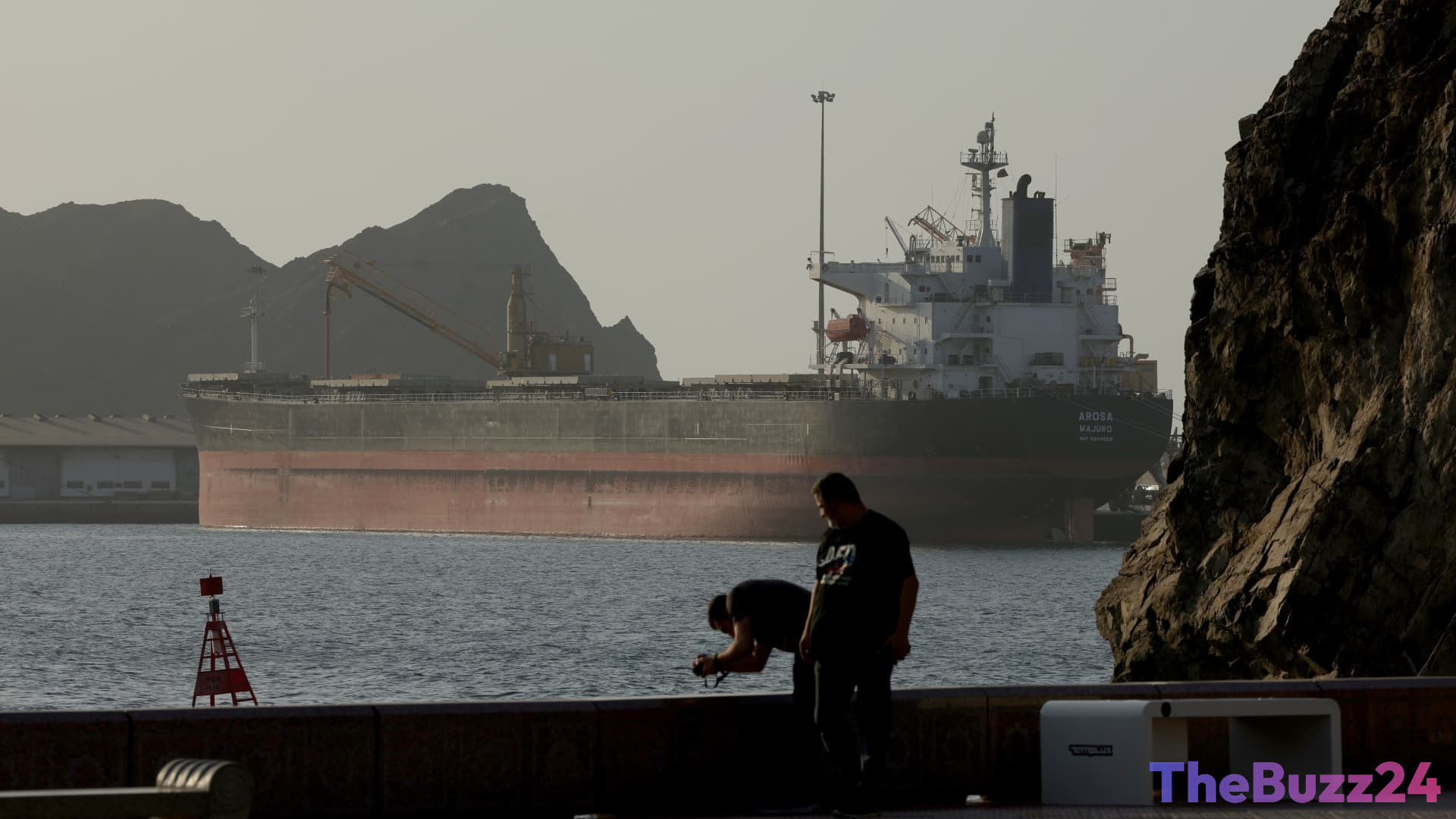
The critical Strait of Hormuz is witnessing a cautious return of oil traffic following a recent agreement between the United States and Iran aimed at easing tensions in the vital waterway. Three Saudi supertankers, collectively carrying 6 million barrels of crude oil, have successfully navigated the strait, signaling a potential thaw in the region’s energy transit. These vessels, identified as very large crude carriers (VLCCs), activated their transponders in the Gulf of Oman on Thursday, ending more than two months of concealed movements.
This significant development comes on the heels of a deal signed Wednesday by President Donald Trump and Iranian President Masoud Pezeshkian, which was intended to facilitate the reopening of Hormuz. Vice President JD Vance later confirmed a substantial increase in activity, reporting that over 12 million barrels of oil had transited the strait overnight – a volume not seen since the onset of the recent conflict. Concurrently, U.S. Central Command announced the cessation of its naval blockade against Iran, further underscoring the shift in regional dynamics.
Despite these positive indicators, the full restoration of pre-conflict shipping levels remains a distant prospect. While the Saudi tankers Shaden and Awtad are en route to Japan and South Korea, respectively, and at least five Iranian ships have also crossed previous blockade lines, the broader shipping industry appears to be exercising caution. Experts note that a “mass exodus” of vessels has not yet occurred, with many shippers still hesitant to fully commit. Before the conflict, the strait saw approximately 14 million barrels per day of oil and 6 million barrels per day of refined products, with over 100 ships transiting daily.
The Joint Maritime Information Center (JMIC), a U.S.-led maritime security body, has downgraded its threat assessment for Hormuz from “severe” to “substantial.” However, the JMIC continues to advise caution, warning that attacks remain a “strong possibility” and sea mines pose an ongoing threat. Nevertheless, the center acknowledged a noticeable reduction in the volatile behavior of Iran’s Revolutionary Guard since the Washington-Tehran agreement, fostering a fragile sense of optimism for the future of maritime trade in the Persian Gulf.
Key Takeaways
- Three Saudi supertankers carrying 6 million barrels of oil have transited the Strait of Hormuz, resuming visible oil flows after two months of concealed movements.
- This development follows a recent agreement between the U.S. and Iran to reopen the strait, alongside the cessation of the U.S. naval blockade against Iran.
- While traffic has increased, the shipping industry remains cautious, and full pre-conflict levels of trade have not yet been restored, despite a downgraded threat assessment for the region.
Editor’s Analysis & Impact
The resumption of visible oil shipments through the Strait of Hormuz, a critical global chokepoint, marks a significant de-escalation in regional tensions and offers a glimmer of stability to the energy markets. The agreement between the U.S. and Iran, coupled with the lifting of the naval blockade, could alleviate some of the geopolitical risk premiums currently embedded in oil prices. However, the cautious response from the shipping industry, despite the downgraded threat assessment, highlights lingering concerns about long-term security and the potential for renewed hostilities. The market will closely watch for sustained traffic increases and further confidence-building measures. A full return to pre-conflict trade volumes would signal a more robust and lasting peace, impacting global supply chains and energy costs positively.
Frequently Asked Questions
Q: What is the significance of the Strait of Hormuz?
A: The Strait of Hormuz is a narrow waterway connecting the Persian Gulf with the Arabian Sea and the open ocean. It is one of the world's most strategically important chokepoints for oil transit, with a substantial portion of the world's seaborne oil passing through it daily, making it crucial for global energy supply.
Q: Why were the Saudi tankers hiding their location?
A: During periods of heightened geopolitical tension and conflict in the region, some vessels, including oil tankers, may turn off their transponders (AIS systems) to conceal their movements and avoid potential targeting or scrutiny, thereby reducing perceived risks.
Q: What does the 'substantial' threat assessment mean for shippers?
A: While 'substantial' is a downgrade from 'severe,' it still indicates a significant level of risk. Shippers are advised to remain vigilant, as the Joint Maritime Information Center warns of a 'strong possibility' of attacks and the continued threat of sea mines, despite a reduction in volatile behavior from Iran's Revolutionary Guard.
AI Disclosure: This article is based on verified data and official reports. Our Team and AI have cross-referenced every financial detail with primary sources to ensure total accuracy.
More from this Category