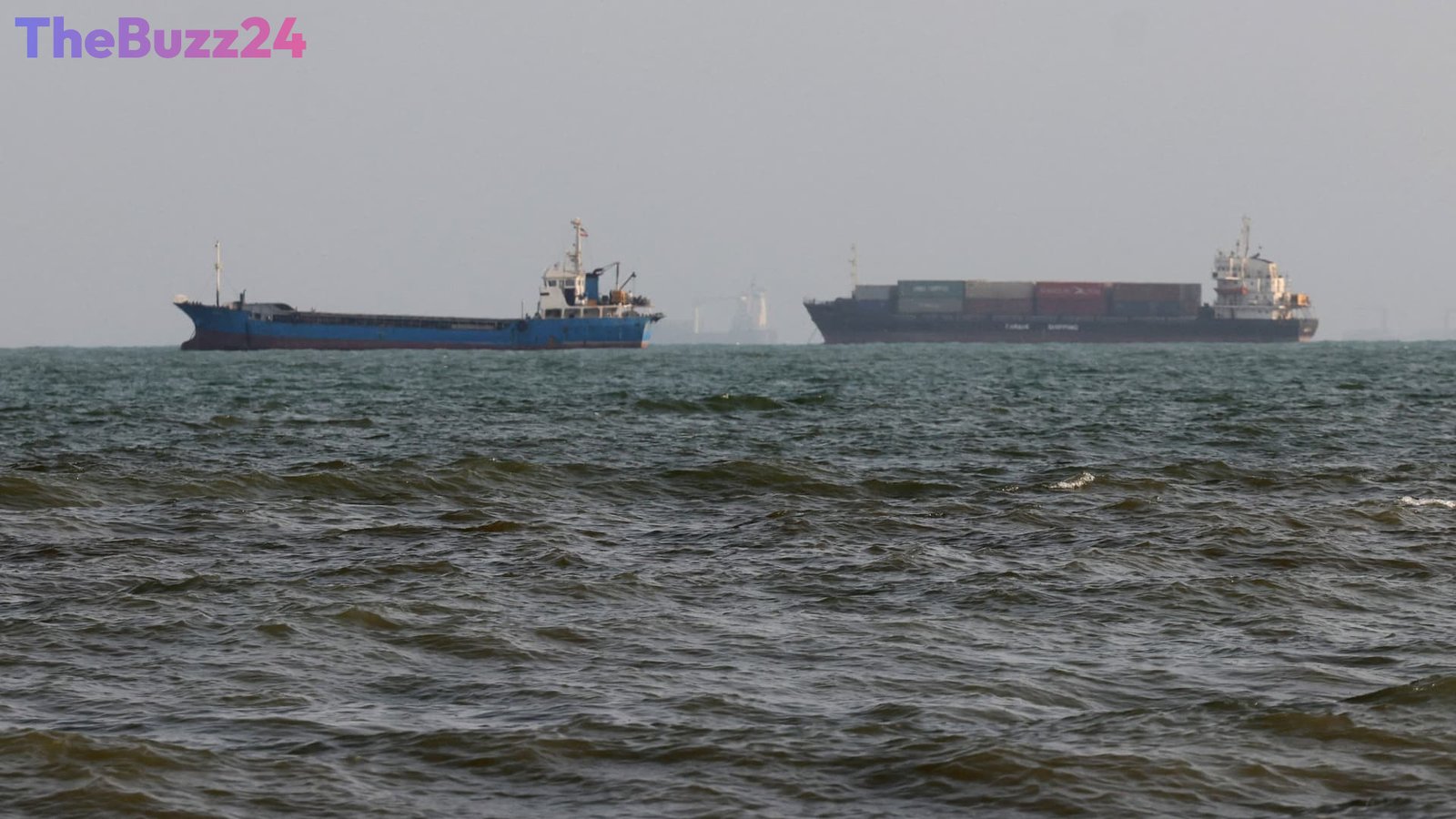
Strait of Hormuz Traffic Dips to Three-Month Low Amidst U.S.-Iran Deal Uncertainty
Ship traffic navigating the critical Strait of Hormuz has fallen to a five-day average of approximately 13 vessels, marking a near three-month low. This significant decrease in transit, observed on Tuesday, comes as diplomatic efforts between the United States and Iran to ensure the free passage of ships through the vital waterway appear to be faltering.
The reduced flow of vessels, which includes all ship types from cargo carriers to oil tankers, is a stark contrast to previous levels. Data indicates that traffic is currently around 90% lower than the daily average of 130 ships recorded before recent escalations. Despite the dip in overall ship movements, official figures suggest that oil exports through the strait have maintained a robust seven-day average of nearly 9 million barrels per day, partly attributed to U.S. military escorts for tankers.
Adding to the complexity, Iran has stated that the strait will not be fully reopened until its demands are met by the U.S. This stance follows a period of heightened tension, including Iran’s attacks on tankers utilizing a U.S.-protected route. While previous interim agreements aimed at facilitating passage have collapsed due to disputes over shipping lanes, recent diplomatic overtures from the U.S. administration suggest a renewed focus on dialogue, though concrete progress remains unclear.
Energy officials have also noted that private companies may be undercounting ship transits, suggesting that covert movements through the waterway could mean actual traffic is higher than reported. The situation remains fluid, with the future of maritime trade through the Strait of Hormuz heavily dependent on the outcome of ongoing U.S.-Iran negotiations.
Key Takeaways
- Ship traffic through the Strait of Hormuz has reached a near three-month low, averaging around 13 vessels per day.
- Despite reduced traffic, oil exports remain substantial, averaging nearly 9 million barrels per day with U.S. military assistance.
- Iran has indicated the strait will not fully reopen until U.S. demands are met, highlighting ongoing diplomatic uncertainty.
Editor’s Analysis & Impact
The current slump in Strait of Hormuz traffic underscores the delicate geopolitical balance impacting global energy markets. The uncertainty surrounding the U.S.-Iran deal directly affects oil supply routes, potentially leading to price volatility. While current export levels are being sustained through military support, a prolonged diplomatic stalemate could disrupt the flow of millions of barrels daily, impacting global energy security. The situation highlights the strategic importance of this chokepoint and the significant influence of bilateral relations on international trade and commodity prices. Future outlook depends heavily on de-escalation and a clear resolution of maritime passage agreements.
Frequently Asked Questions
Q: What is the Strait of Hormuz?
A: The Strait of Hormuz is a narrow waterway connecting the Persian Gulf to the Gulf of Oman and the open sea. It is one of the world's most important oil transit points, with a significant portion of global oil supply passing through it.
Q: Why is ship traffic in the Strait of Hormuz important?
A: The Strait of Hormuz is a critical chokepoint for global oil transportation. Any disruption or significant reduction in traffic can impact oil prices, supply chains, and the economies of countries reliant on oil exports and imports.
Q: What is the current diplomatic situation affecting the Strait of Hormuz?
A: The current situation is marked by uncertainty in diplomatic negotiations between the U.S. and Iran regarding the free passage of ships. Previous agreements have collapsed, and Iran has linked the full reopening of the strait to the U.S. meeting its demands.
AI Disclosure: This article is based on verified data and official reports. Our Team and AI have cross-referenced every financial detail with primary sources to ensure total accuracy.
More from this Category