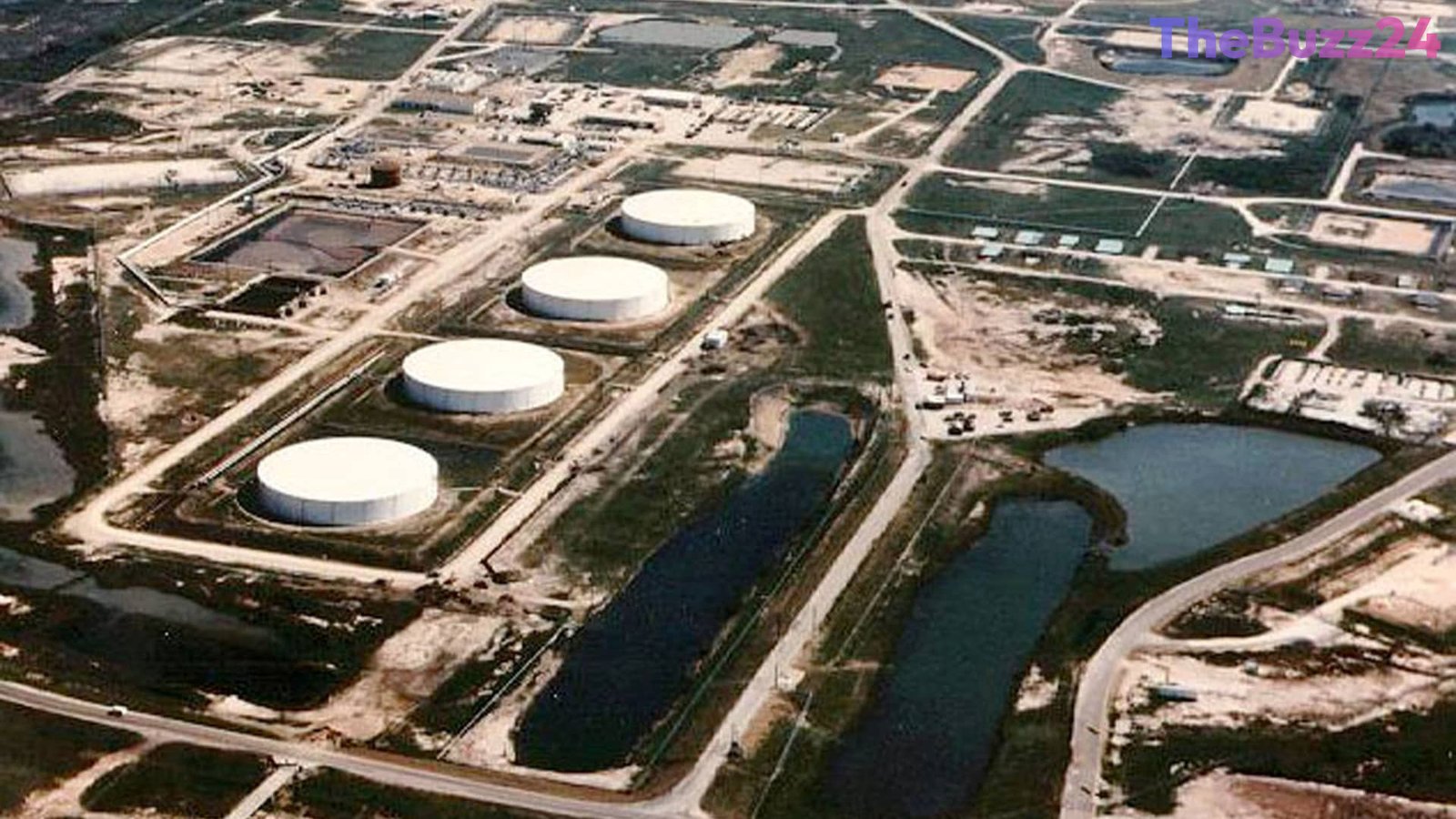
Structural Integrity Concerns Mount as Strategic Petroleum Reserve Hits Four-Decade Low
The U.S. Strategic Petroleum Reserve (SPR) has fallen below 300 million barrels for the first time since the early 1980s, sparking intense debate among energy experts and government officials regarding the long-term viability of the nation’s emergency oil storage. The reserve, which consists of 60 salt caverns located deep underground in Louisiana and Texas, is currently undergoing significant drawdowns to address supply disruptions. As inventory levels approach historic lows, concerns are mounting that the rapid extraction process may be compromising the structural integrity of the storage sites.
Petroleum engineering experts warn that the current operational pace poses risks to the salt caverns. To extract oil, water is pumped into the caverns to displace the crude; however, this process can dissolve salt walls and lead to cavern deformation. Experts note that the system was originally designed for a limited number of drawdowns, but decades of frequent use have accelerated wear and tear. There is growing apprehension that if inventory levels drop too far, the infrastructure could suffer permanent damage, potentially hindering the nation’s ability to respond to future energy emergencies.
While some government officials maintain that the reserve is being managed responsibly and that the caverns remain stable, others argue that the current levels are dangerously close to a point of no return. Reports from the Government Accountability Office have previously highlighted that repeated cycles of drawdown and refill can alter the shape of these caverns, reducing their long-term viability. As the U.S. navigates these inventory challenges, the focus is shifting toward whether the existing infrastructure can sustain further emergency releases without risking a catastrophic structural failure.
Key Takeaways
- The U.S. Strategic Petroleum Reserve has dropped below 300 million barrels, reaching its lowest level since the 1980s.
- Experts warn that rapid extraction cycles are causing salt cavern deformation and thinning critical structural pillars.
- There is significant disagreement between government officials and independent engineers regarding the 'operational floor' and the safety of further drawdowns.
Editor’s Analysis & Impact
The depletion of the Strategic Petroleum Reserve represents a critical intersection of national security and infrastructure maintenance. From a market perspective, the SPR serves as a vital buffer against global supply shocks; however, the physical limitations of the salt caverns are now becoming a primary constraint. The industry impact is twofold: first, the technical degradation of these assets limits the government’s future policy options, effectively reducing the ’emergency’ capacity of the reserve. Second, the reliance on aging infrastructure suggests that significant capital expenditure will be required for maintenance or modernization in the coming years. If the structural integrity of these caverns is indeed compromised, the U.S. may face a diminished ability to stabilize oil prices during geopolitical crises, potentially leading to higher market volatility and a greater reliance on private sector inventories.
Frequently Asked Questions
Q: Why does drawing oil from the SPR potentially damage the caverns?
A: The extraction process involves pumping water into the caverns to displace oil. This can dissolve the salt walls, deform the cavern shape, and thin the salt pillars that separate adjacent storage sites, increasing the risk of structural collapse.
Q: What is the 'operational floor' of the SPR?
A: While estimates vary, many experts suggest that once inventory drops below 300 million barrels, the system faces increased risks. Below this level, extraction pipes may not remain fully submerged, and the ability to pump oil at high speeds during an emergency is significantly reduced.
AI Disclosure: This article is based on verified data and official reports. Our Team and AI have cross-referenced every financial detail with primary sources to ensure total accuracy.
More from this Category