Supercar Surge: Monterey Car Week Poised for Record $500 Million Auction Haul as Younger Collectors Take the Wheel
The prestigious Monterey Car Week is on track to set an all-time record, with total auction sales projected to reach up to $500 million. This anticipated windfall marks a powerful recovery for the high-end automotive collector market, eclipsing the previous benchmark of $471 million established in 2022. The dramatic surge in valuations is being propelled by an influx of tech wealth and a noticeable demographic shift, as affluent millennial and Gen Z buyers increasingly dominate the bidding floor.
Beneath the record-breaking figures lies a massive rotation in collector taste. While previous generations favored iconic vehicles from the 1950s and 1960s, younger enthusiasts are pouring capital into modern hypercars and poster icons from their own youth. Vehicles such as the Ferrari F40, F50, and Enzo, alongside Bugatti Veyrons, Paganis, and Koenigseggs, have witnessed parabolic price appreciation over the past two years. In contrast, traditional collector indices tracking post-war classics have dipped slightly, while supercar indices have surged by nearly 30% over the last 12 months.
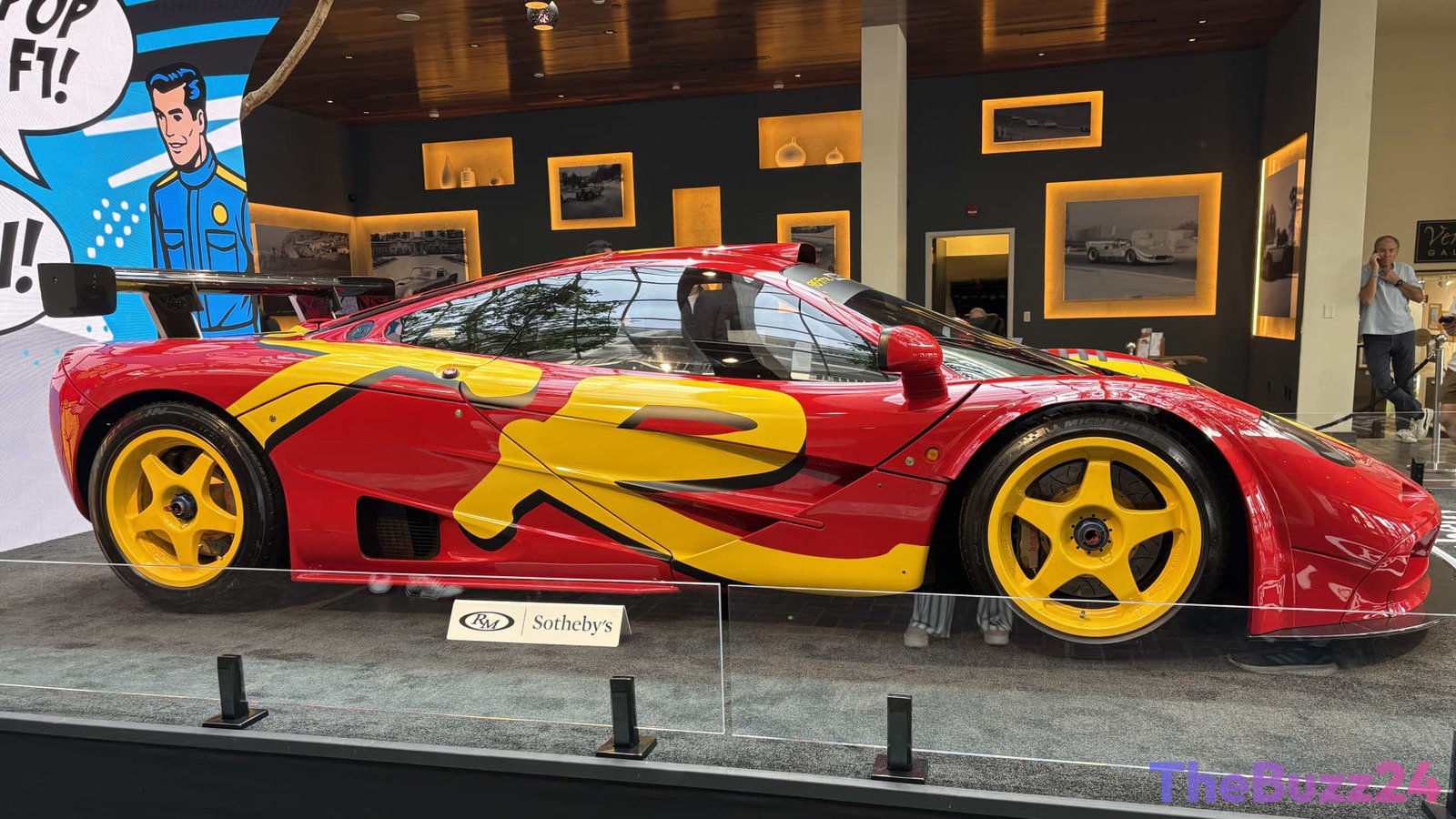
Highlighting the week’s prestigious catalogs is a 1996 McLaren F1 GTR with an estimated value of $35 million, alongside cutting-edge modern machinery like the Ferrari Daytona SP3. Despite the generational change in preferred eras, Ferrari remains the undisputed centerpiece of the global collector market. Maranello-built masterpieces account for the majority of the highest-priced lots across all auction houses, reflecting sustained demand even as traditional models stabilize.
However, market veterans caution that this rapid appreciation introduces speculative volatility. Unlike legacy collectors who prioritized racing provenance and historic preservation, some younger entrants treat modern supercars as short-term trading assets, maintaining ultra-low mileage to maximize quick turnaround profits. Even so, the entry of younger high-net-worth enthusiasts confirms long-term liquidity and enduring cultural passion for collector automobiles.
Key Takeaways
- Monterey Car Week auction sales are projected to reach between $470 million and $500 million, potentially setting an all-time industry high.
- A major demographic shift is underway as millennial and Gen Z collectors shift capital away from 1950s/1960s classics toward 1990s and 2000s supercars.
- Ferrari continues to dominate elite auction rankings, representing nine of the top ten most expensive cars sold at auction this year.
Editor’s Analysis & Impact
The classic car market is mirroring broader financial asset trends where generational wealth transfer reshapes demand. The sharp rise of 1990s and 2000s modern classics represents more than nostalgia; it signals the structural transition of capital toward liquid, visually recognizable luxury assets favored by younger tech entrepreneurs and investors. While traditionalists worry about speculative froth and short-term flipping, the entry of younger participants provides critical long-term sustainability to the collector ecosystem. Going forward, expect vintage post-war cars to settle into institutional and museum collections, while late-model halo supercars establish permanent status as premier blue-chip alternative investments.
Frequently Asked Questions
Q: What is driving the record sales projections at Monterey Car Week?
A: The surge is driven by strong participation from younger millennial and Gen Z collectors, combined with tech wealth pouring heavily into late-model supercars and modern hypercars.
Q: Which car models are experiencing the largest price increases?
A: Supercars from the 1980s through the 2000s, including the Ferrari F40, F50, Enzo, Bugatti Veyron, Porsche Carrera GT, and modern Koenigsegg models, have seen significant valuation gains.
Q: Are older classic cars losing their value?
A: Traditional 1950s and 1960s classics have seen their price growth level off or decline slightly compared to supercars, though exceptionally rare and historically significant models still command multi-million-dollar sums.
AI Disclosure: This article is based on verified data and official reports. Our Team and AI have cross-referenced every financial detail with primary sources to ensure total accuracy.
More from this Category