Supreme Court Declines DOJ’s Last-Minute Bid to Block California Ballot Counting
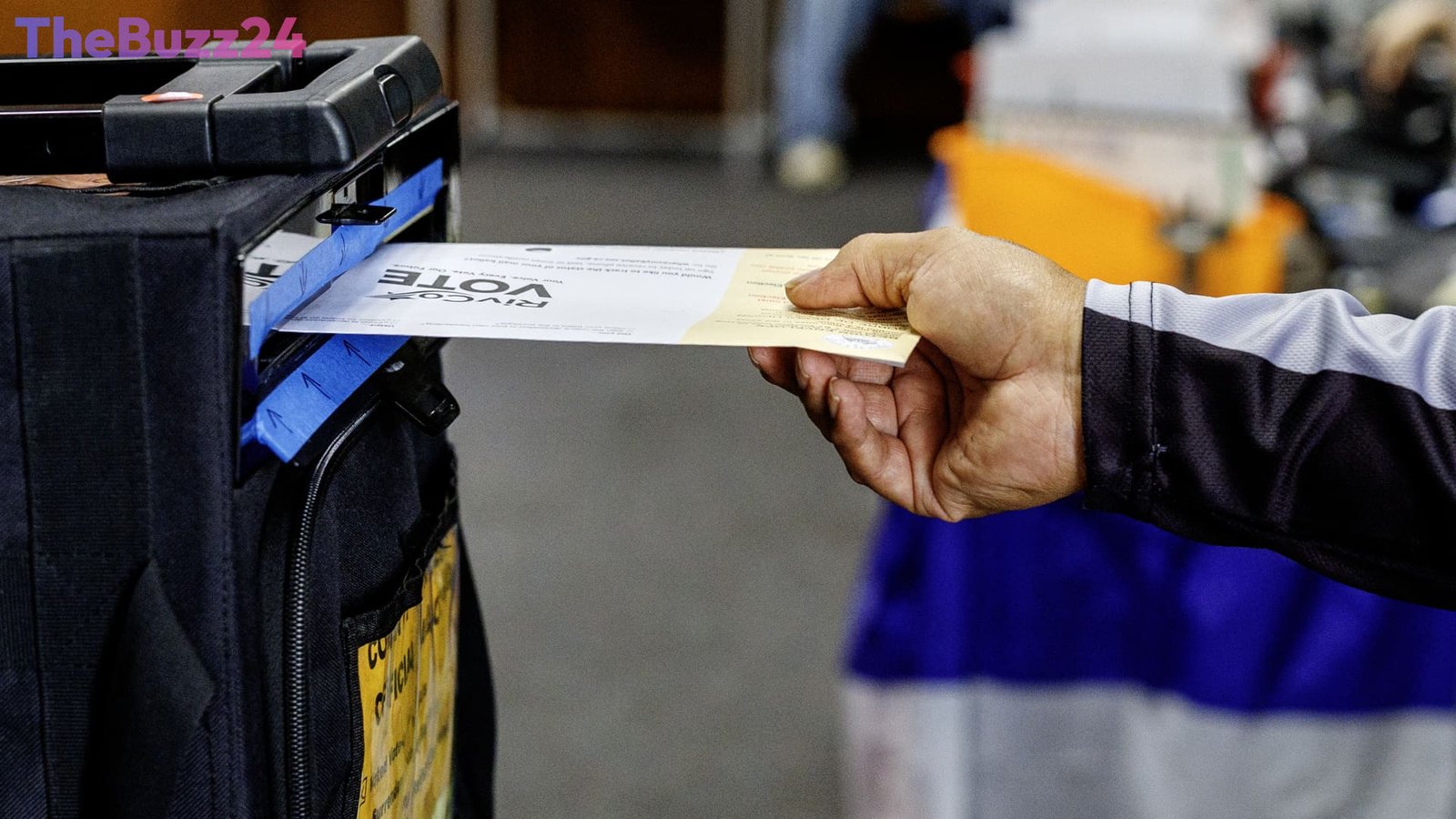
The Supreme Court has denied a last-minute request from the Department of Justice (DOJ) to halt the counting of mail-in ballots in California for approximately 20,000 voters, whom the department suggested might not be U.S. citizens. This decision came swiftly, issued in a one-sentence order on a Monday evening, just hours after the DOJ submitted its petition and on the eve of Election Day.
The Supreme Court’s denial means that California can proceed with counting these disputed ballots. The court did not provide an explanation for its decision, nor did it indicate any dissenting opinions. This ruling marks another setback for the Trump administration in its ongoing legal challenges related to the election.
The DOJ’s petition to the Supreme Court followed a rejection by the 9th Circuit U.S. Court of Appeals, which had previously denied the department’s attempt to overturn a lower federal court’s ruling allowing the ballots to be counted. California Attorney General Rob Bonta characterized the DOJ’s action as a “baseless” “Hail Mary,” expressing that the Supreme Court’s swift denial underscored its lack of merit.
This legal battle highlights ongoing tensions regarding election integrity and the federal government’s role in state election processes. The DOJ’s argument centered on concerns about potential non-citizens voting, but a DOJ lawyer reportedly admitted to a high error rate in the lists of purported noncitizens during a court hearing. The federal judge who initially dismissed the DOJ’s lawsuit had emphasized the importance of protecting the right to vote and cautioned against the executive branch coercing states in their election procedures.
Key Takeaways
- The Supreme Court denied the DOJ's request to block California from counting mail-in ballots from approximately 20,000 voters questioned for citizenship.
- The DOJ's petition was a last-minute attempt, filed just before Election Day, and was rejected without explanation by the Supreme Court.
- This decision allows California to proceed with counting the disputed ballots, marking a legal setback for the DOJ's efforts in this matter.
Editor’s Analysis & Impact
The Supreme Court’s swift rejection of the DOJ’s petition underscores the high bar for federal intervention in state election processes, particularly on the eve of an election. This decision reinforces the authority of states to manage their own electoral procedures, while also highlighting the potential for legal challenges to sow doubt about election outcomes. The DOJ’s argument, reportedly based on lists with a high error rate, suggests a potential disconnect between federal concerns and the practical realities of voter roll accuracy. This case could influence future federal-state interactions regarding election oversight and the definition of ‘standing’ in such disputes.
Frequently Asked Questions
Q: Why did the Department of Justice want to block the ballots from being counted?
A: The Department of Justice sought to block the ballots because they suggested that approximately 20,000 voters in California might not be U.S. citizens, and non-citizens are barred from voting in federal elections.
Q: What was the Supreme Court's decision?
A: The Supreme Court denied the Department of Justice's request to temporarily block the counting of these mail-in ballots.
Q: Did the Supreme Court explain its reasoning for the denial?
A: No, the Supreme Court issued a one-sentence order and did not provide an explanation for its denial, nor did it note any dissents.
AI Disclosure: This article is based on verified data and official reports. Our Team and AI have cross-referenced every financial detail with primary sources to ensure total accuracy.
More from this Category