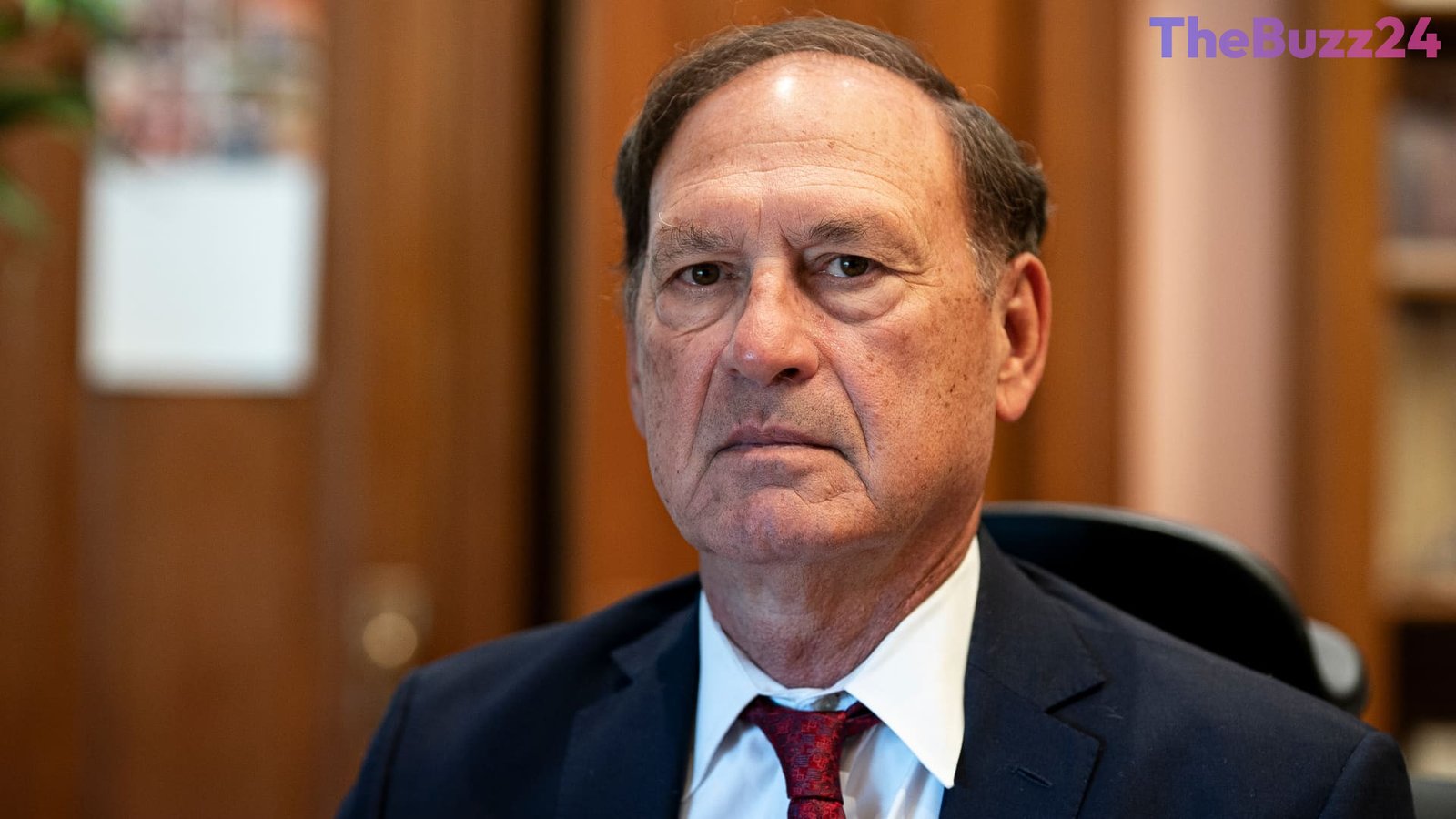
Supreme Court Justice Samuel Alito Confirms Plans to Remain on Bench Through Current Term
Supreme Court Justice Samuel Alito has confirmed his intention to remain on the nation’s highest court through at least the end of the current term, which concludes in early summer. The 76-year-old conservative jurist has ruled out a retirement during the upcoming post-election lame-duck session of Congress, regardless of which political party secures control of the Senate in the November midterms. This decision ensures that the court’s current ideological makeup will remain stable heading into next year.
The timing of Alito’s potential retirement carries significant political weight. If control of the Senate shifts to the Democrats, any future Supreme Court nominee put forward by a Republican administration could face severe confirmation hurdles. Alito, who was appointed to the bench in 2005 by President George W. Bush, noted that he finalized his decision to stay on the court months ago, coinciding with the release of his new book, “So Ordered: An Originalist’s View of the Constitution, the Court and Our Country.”
Despite acknowledging that retirement is a consideration that naturally arises at his age, Alito emphasized that he remains physically and mentally fit for the demanding role. The current Supreme Court features a 6-3 conservative majority, bolstered by three appointees from Donald Trump’s presidency: Neil Gorsuch, Brett Kavanaugh, and Amy Coney Barrett. The political maneuvering surrounding Supreme Court vacancies remains a highly sensitive topic, recalling the contentious block of Merrick Garland’s nomination in 2016 and the rapid confirmation of Amy Coney Barrett in late 2020.
Key Takeaways
- Justice Samuel Alito, 76, has committed to serving through the Supreme Court's current term, ending in late June or early July.
- Alito has ruled out retiring during the post-election lame-duck session, even if the Senate majority changes hands.
- The decision preserves the current 6-3 conservative majority on the Supreme Court for the immediate future.
Editor’s Analysis & Impact
Justice Samuel Alito’s decision to remain on the Supreme Court highlights the deeply politicized nature of judicial appointments in the United States. By staying through the current term, Alito avoids a rushed confirmation process during a lame-duck session, but also accepts the risk of a potentially hostile Senate if Democrats regain the majority. For conservatives, maintaining the 6-3 supermajority is paramount to securing long-term legal precedents on constitutional interpretation, federal regulations, and social issues. Conversely, progressives view the aging conservative bloc as a critical target for future judicial balance. Alito’s choice underscores how modern justices must weigh their personal retirement timelines against the volatile shifts in congressional power, ensuring that the Supreme Court remains a central battleground in American politics for years to come.
Frequently Asked Questions
Q: Who appointed Justice Samuel Alito to the Supreme Court?
A: Justice Alito was nominated to the Supreme Court in 2005 by President George W. Bush and took his seat on the bench in early 2006.
Q: Why is the Senate majority important for Supreme Court nominations?
A: The Senate holds the constitutional power to confirm or reject Supreme Court nominees. If the party opposing the sitting President holds the Senate majority, they can delay or block judicial confirmations.
Q: When does the Supreme Court's current term end?
A: The Supreme Court's annual term begins on the first Monday in October and typically concludes in late June or early July of the following year.
AI Disclosure: This article is based on verified data and official reports. Our Team and AI have cross-referenced every financial detail with primary sources to ensure total accuracy.
More from this Category