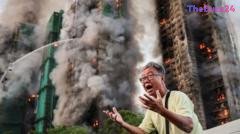
Systemic Failures and Corruption: The Deadly Blaze That Devastated Wang Fuk Court
A catastrophic fire at the Wang Fuk Court apartment complex in Hong Kong has claimed 168 lives, exposing a harrowing web of negligence, corruption, and systemic oversight failures. The blaze, which occurred on November 26, spread at an unprecedented speed of 10 meters per second, turning the eight-block residential structure into a death trap. An independent committee report later concluded that the tragedy was entirely preventable, stemming from a series of human errors and fraudulent practices during mandatory building renovations.
Investigations revealed that the renovation project was marred by bid-rigging and the appointment of unqualified contractors. Prestige Construction and Engineering (PC&E), despite a history of safety violations, secured the contract through a scheme involving the management firm Will Power. The report alleged that Will Power conspired to defraud residents, laundering millions in proceeds while failing to provide actual oversight. Crucially, the fire safety systems were compromised; a staff member from the property management firm, ISS, had deactivated the fire alarms, and emergency stairwells were rendered impassable due to unauthorized structural modifications made to accommodate construction workers.
Compounding the disaster, the building was wrapped in non-fire-retardant mesh netting and bamboo scaffolding, which acted as a conduit for the flames. Residents had filed nearly 140 complaints regarding safety hazards, including workers smoking on-site, yet these warnings were ignored by government departments. In the aftermath, the housing chief resigned, and the city’s leadership issued a formal apology, promising sweeping reforms. As survivors struggle with the loss of their homes and loved ones, legal proceedings against the involved companies and individuals are pending, with charges including manslaughter and conspiracy to defraud.
Key Takeaways
- A deadly fire at Wang Fuk Court resulted in 168 deaths due to a combination of fraudulent renovation practices and systemic regulatory negligence.
- Investigations uncovered that fire alarms were intentionally deactivated and non-fire-retardant materials were used to cut costs, directly contributing to the rapid spread of the blaze.
- The tragedy has triggered a major governance crisis, leading to the resignation of Hong Kong's housing chief and the initiation of criminal charges against multiple construction and management entities.
Editor’s Analysis & Impact
The Wang Fuk Court tragedy serves as a grim case study on the dangers of ‘rubber-stamp’ governance and the privatization of essential safety oversight. By allowing management firms to self-regulate and prioritize cost-cutting over life-safety protocols, the system created a vacuum where corruption could flourish unchecked. The market impact is significant; the construction and property management sectors in Hong Kong now face a period of intense regulatory scrutiny and a likely overhaul of building inspection standards. Future projects will almost certainly require more stringent, independent government verification, increasing compliance costs but hopefully restoring public trust. The broader implication is a shift toward greater accountability for corporate directors, as the criminal charges for manslaughter signal that authorities are no longer willing to treat systemic negligence as merely a civil or contractual dispute.
Frequently Asked Questions
Q: What was the primary cause of the rapid fire spread at Wang Fuk Court?
A: The fire spread at an unprecedented rate due to the use of non-fire-retardant mesh netting and bamboo scaffolding, combined with the removal of windows in stairwells which created chimney effects.
Q: Why did the fire alarms fail to sound during the emergency?
A: The report found that a staff member from the property management company, ISS, had intentionally turned off the power supply to the fire alarm systems in all eight buildings.
AI Disclosure: This article is based on verified data and official reports. Our Team and AI have cross-referenced every financial detail with primary sources to ensure total accuracy.
More from this Category