Tech Titans Clash Over Elon Musk’s Vision for Orbital Data Centers
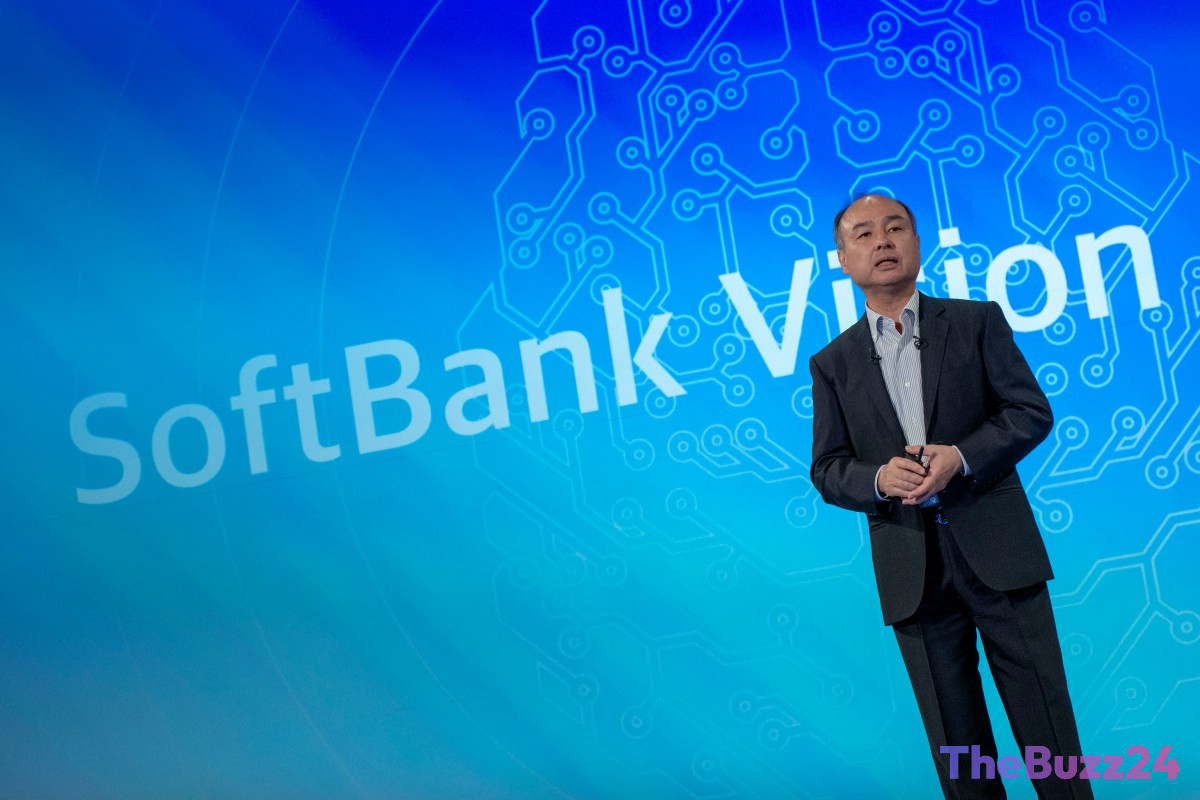
The ambitious concept of deploying data centers in Earth’s orbit, championed by Elon Musk, is facing significant scrutiny from prominent figures in the technology sector. Among the most vocal skeptics is Masayoshi Son, founder and CEO of SoftBank, who recently voiced strong reservations about the viability and timing of such an endeavor.
Speaking at a recent shareholder meeting, Son argued that establishing data centers in space would offer minimal cost advantages and would be a protracted undertaking. He emphasized the critical importance of the immediate future in the “battle for AI,” suggesting that a decade-long wait for orbital solutions is impractical when rapid advancements are needed now. This skepticism is particularly noteworthy given SoftBank’s own history of making substantial, often unconventional, investments in emerging technologies.
Industry observers also point to the strategic advantages an orbital data center network could offer SpaceX, Musk’s aerospace company. Constructing and maintaining a constellation of satellites for data processing would inherently generate substantial, recurring business for SpaceX’s launch services, as these satellites would require periodic replacement. Beyond launches, SpaceX is also actively expanding its compute leasing operations, further intertwining its various ventures within the burgeoning AI infrastructure market.
The debate underscores a broader industry challenge: the intense demand for computational power. While some see space as a potential frontier for overcoming terrestrial limitations like land availability and regulatory hurdles, others, including OpenAI’s Sam Altman, share Son’s reservations. This landscape reveals a complex interplay of innovation, strategic self-interest, and the urgent need for scalable AI infrastructure, where even the most visionary proposals are met with pragmatic questions about cost, timeline, and immediate impact.
Key Takeaways
- SoftBank CEO Masayoshi Son expresses strong skepticism regarding Elon Musk's proposal for orbital data centers, citing high costs and long development timelines.
- Critics suggest that orbital data centers could primarily benefit SpaceX by guaranteeing substantial, recurring business for its satellite launch services.
- The debate highlights the intense global demand for AI compute power and the strategic motivations behind various proposed solutions, including those from key industry players like SoftBank and OpenAI.
Editor’s Analysis & Impact
The divergence of opinion between tech leaders like Elon Musk and Masayoshi Son regarding orbital data centers underscores the high stakes and diverse approaches in the race for AI dominance. Musk’s vision, while futuristic, faces pragmatic challenges concerning cost-effectiveness and immediate utility, especially when the AI industry demands rapid scaling of compute resources. This debate reflects the broader market’s struggle to meet insatiable demand for processing power, driving innovation in both terrestrial and potentially extraterrestrial infrastructure. The “talking your own book” phenomenon is evident, with each leader’s perspective aligning with their company’s strategic interests—SpaceX benefiting from increased launches, and SoftBank focusing on more immediate, Earth-bound data center investments. The future will likely see a hybrid approach, but the immediate focus remains on scalable, cost-efficient solutions on Earth.
Frequently Asked Questions
Q: What is the concept of orbital data centers?
A: Orbital data centers refer to the idea of deploying networks of satellites in space equipped with computing hardware to process and store data, potentially offering advantages like reduced latency for certain applications or bypassing terrestrial regulatory hurdles.
Q: Why is SoftBank's CEO Masayoshi Son skeptical about orbital data centers?
A: Masayoshi Son believes that building data centers in space would be too expensive and take too long to develop, arguing that the immediate future (the next few years) is far more crucial for AI advancements than solutions a decade away.
Q: How might orbital data centers benefit SpaceX?
A: Developing and maintaining a constellation of orbital data centers would create a significant and recurring demand for SpaceX's launch services, as satellites would need to be launched, replaced, and serviced over time, thereby boosting its core business.
AI Disclosure: This article is based on verified data and official reports. Our Team and AI have cross-referenced every financial detail with primary sources to ensure total accuracy.
More from this Category