Tensions Escalate in Strait of Hormuz as Iran Downs U.S. Drone
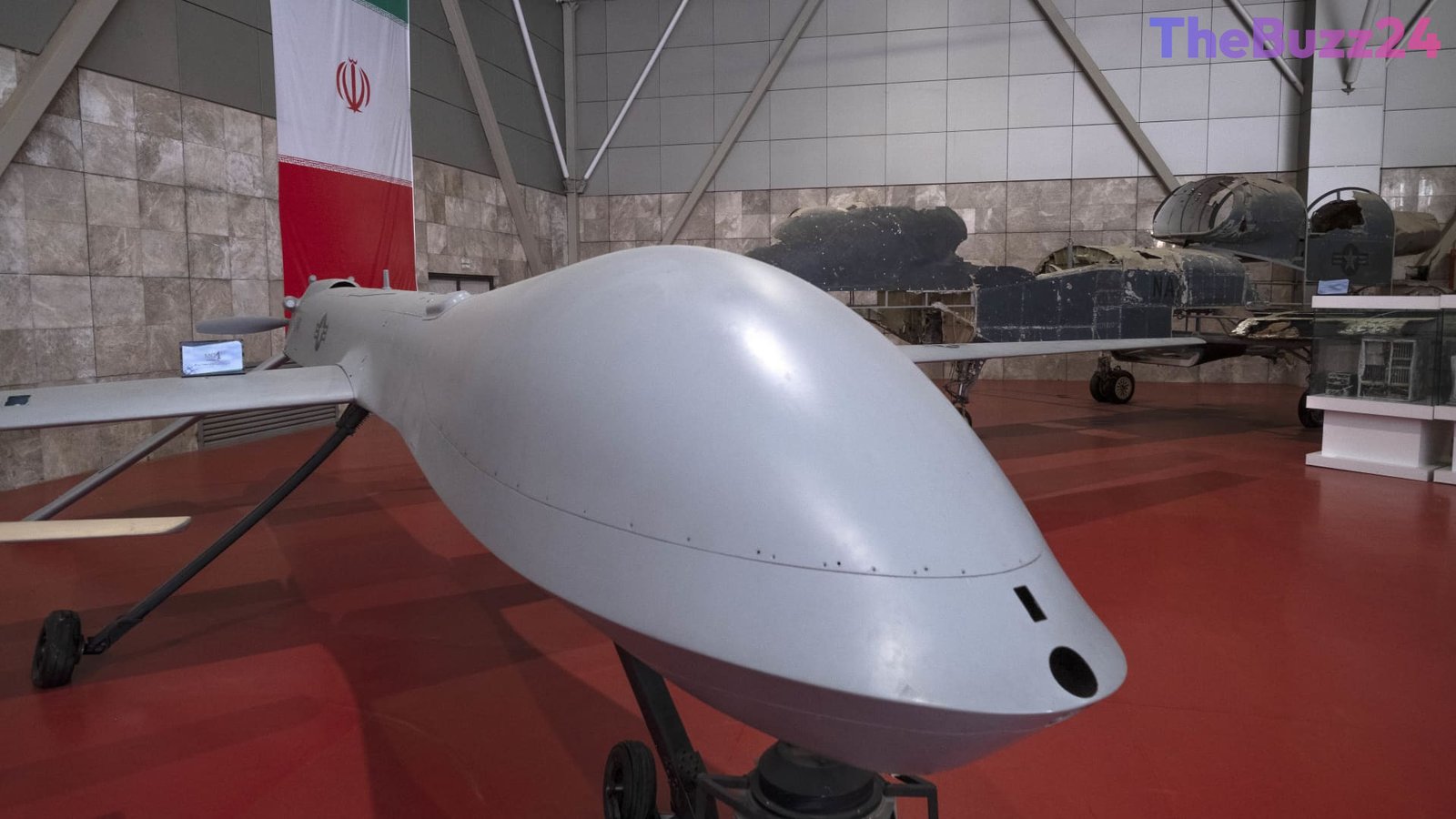
The Islamic Revolutionary Guard Corps has reported the destruction of an advanced American MQ-1 drone over the Strait of Hormuz, marking a significant escalation in the ongoing conflict between Tehran and Washington. The drone, manufactured by General Atomics, was reportedly intercepted by a new aerospace defense system. This incident follows a pattern of Iranian operations targeting unmanned U.S. naval systems in the region, further complicating the security landscape of this critical maritime chokepoint.
Amidst the military friction, diplomatic efforts have hit a standstill. A planned meeting in Oman between Gulf nations and Iran, intended to establish a shipping route through the Strait of Hormuz, has been postponed indefinitely. Omani officials cited a lack of consensus as the primary reason for the delay. The waterway remains under a contested blockade, which has kept global energy prices volatile and elevated throughout the seven-month conflict.
President Donald Trump recently suggested that the U.S. could potentially take control of Iranian oil reserves, drawing parallels to a previous agreement involving Venezuela. While the President expressed optimism that the conflict could conclude by the end of the year, the reality on the ground remains tense. Meanwhile, global markets have reacted sharply to the instability, with oil prices surging past $100 per barrel following reports of damage to Saudi Arabian energy infrastructure by Iraqi drones.
Key Takeaways
- Iran claims to have destroyed an advanced U.S. MQ-1 drone over the Strait of Hormuz using a new defense system.
- Diplomatic talks in Oman aimed at securing the Strait of Hormuz have been postponed due to a lack of consensus.
- Global oil prices have spiked above $100 per barrel as military actions continue to threaten critical energy supply routes.
Editor’s Analysis & Impact
The downing of the MQ-1 drone and the subsequent postponement of diplomatic talks underscore the fragility of the current geopolitical situation in the Middle East. The Strait of Hormuz remains a primary flashpoint; any further disruption to this artery poses a systemic risk to global energy security and inflation. The President’s rhetoric regarding the seizure of oil assets suggests a shift toward a more aggressive economic strategy, which may complicate future de-escalation efforts. Investors should anticipate continued volatility in energy markets, as the intersection of drone warfare and supply chain bottlenecks creates a high-risk environment. The broader implication is a prolonged period of energy price instability, as both regional powers and international actors struggle to find a diplomatic path forward while military posturing remains the dominant mode of engagement.
Frequently Asked Questions
Q: Why is the Strait of Hormuz significant?
A: The Strait of Hormuz is a vital maritime chokepoint for global oil and gas flows, and any disruption there significantly impacts international energy prices.
Q: What is the current status of the Iran-U.S. conflict?
A: The conflict is ongoing with no clear signs of de-escalation. While there have been reports of potential peace talks, military engagements, including drone strikes and naval blockades, continue to occur.
AI Disclosure: This article is based on verified data and official reports. Our Team and AI have cross-referenced every financial detail with primary sources to ensure total accuracy.
More from this Category