Tensions Flare in Middle East as Houthi Missiles Target Saudi Airport Following Sanaa Runway Strikes
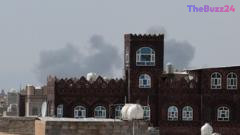
A fragile four-year truce in Yemen has been severely threatened following a major military escalation between Houthi rebels and the Saudi-led coalition. Houthi forces launched a barrage of ballistic missiles and drones targeting Abha International Airport in southwestern Saudi Arabia. This offensive was launched in direct retaliation for airstrikes that disabled the runway at Sanaa International Airport earlier in the day, marking the most volatile exchange between the warring factions in years.
The internationally recognized government of Yemen claimed responsibility for the strikes on the Sanaa runway, explaining the action was necessary to block an unsanctioned Iranian aircraft from landing. According to government officials, the Houthi militia had blocked domestic Yemeni flights while attempting to facilitate the landing of the Iranian plane, which was transporting a Houthi delegation back from Tehran. The diverted Iranian flight was ultimately forced to land in the Red Sea port city of Hudaydah.
Following the runway strikes, Houthi military spokesperson Yahya Saree declared an end to the informal de-escalation phase, warning commercial airlines to avoid Saudi airspace until blockades on Sanaa are lifted. While the Saudi-led coalition confirmed its air defenses successfully intercepted the retaliatory missile threats over its southern region with no reported casualties, the international community has reacted with deep concern. United Nations officials warned that the region cannot endure another cycle of violence, urging all parties to return to the negotiating table.
Yemen’s devastating civil war began in 2014 when Houthi rebels seized control of the capital, Sanaa, prompting a military intervention by a Saudi-led coalition the following year. The protracted conflict has claimed over 150,000 lives and precipitated one of the world’s most severe humanitarian crises, leaving millions of citizens dependent on international aid. This latest flare-up threatens to undo years of delicate diplomatic efforts aimed at securing a permanent peace agreement.
Key Takeaways
- Houthi forces launched retaliatory missile and drone strikes at Saudi Arabia's Abha International Airport after airstrikes damaged the runway at Sanaa International Airport.
- The internationally recognized Yemeni government stated the Sanaa airport strike was intended to prevent an unapproved Iranian aircraft carrying a Houthi delegation from landing.
- This confrontation represents the most significant escalation in the Yemeni conflict since an informal truce was established four years ago, prompting urgent calls for restraint from the United Nations.
Editor’s Analysis & Impact
This sudden escalation shatters a period of relative calm in Yemen and threatens to reignite a highly volatile regional conflict. By targeting Saudi aviation infrastructure and warning commercial airlines, the Houthis are demonstrating their willingness to disrupt regional transit routes, which could have broader implications for global shipping and energy markets if hostilities intensify. Furthermore, the direct involvement of an Iranian aircraft highlights the persistent proxy dynamics defining this conflict. For Saudi Arabia, which has been attempting to pivot its economy away from defense concerns toward domestic development, a renewed conflict on its southern border is a significant setback. The international community, particularly the UN, faces an uphill battle to salvage peace talks before this localized flare-up devolves back into full-scale warfare.
Frequently Asked Questions
Q: What triggered the latest round of missile strikes between the Houthis and Saudi Arabia?
A: The Houthis launched missiles at Saudi Arabia's Abha Airport in retaliation for airstrikes that damaged the runway at Sanaa International Airport. The Yemeni government claimed those airstrikes were conducted to prevent an unapproved Iranian plane carrying a Houthi delegation from landing.
Q: Were there any casualties reported from the Houthi missile attacks?
A: No casualties were reported. The Saudi-led coalition stated that its air defense systems successfully intercepted and neutralized the incoming ballistic missiles and drones.
Q: How long has the conflict in Yemen been ongoing?
A: The civil war in Yemen began in 2014 when Houthi rebels ousted the internationally recognized government from the capital, Sanaa. The conflict escalated significantly in 2015 when a Saudi-led coalition intervened.
AI Disclosure: This article is based on verified data and official reports. Our Team and AI have cross-referenced every financial detail with primary sources to ensure total accuracy.
More from this Category