Tensions Flare in Middle East as U.S. Intercepts Iranian Ballistic Missile Attack
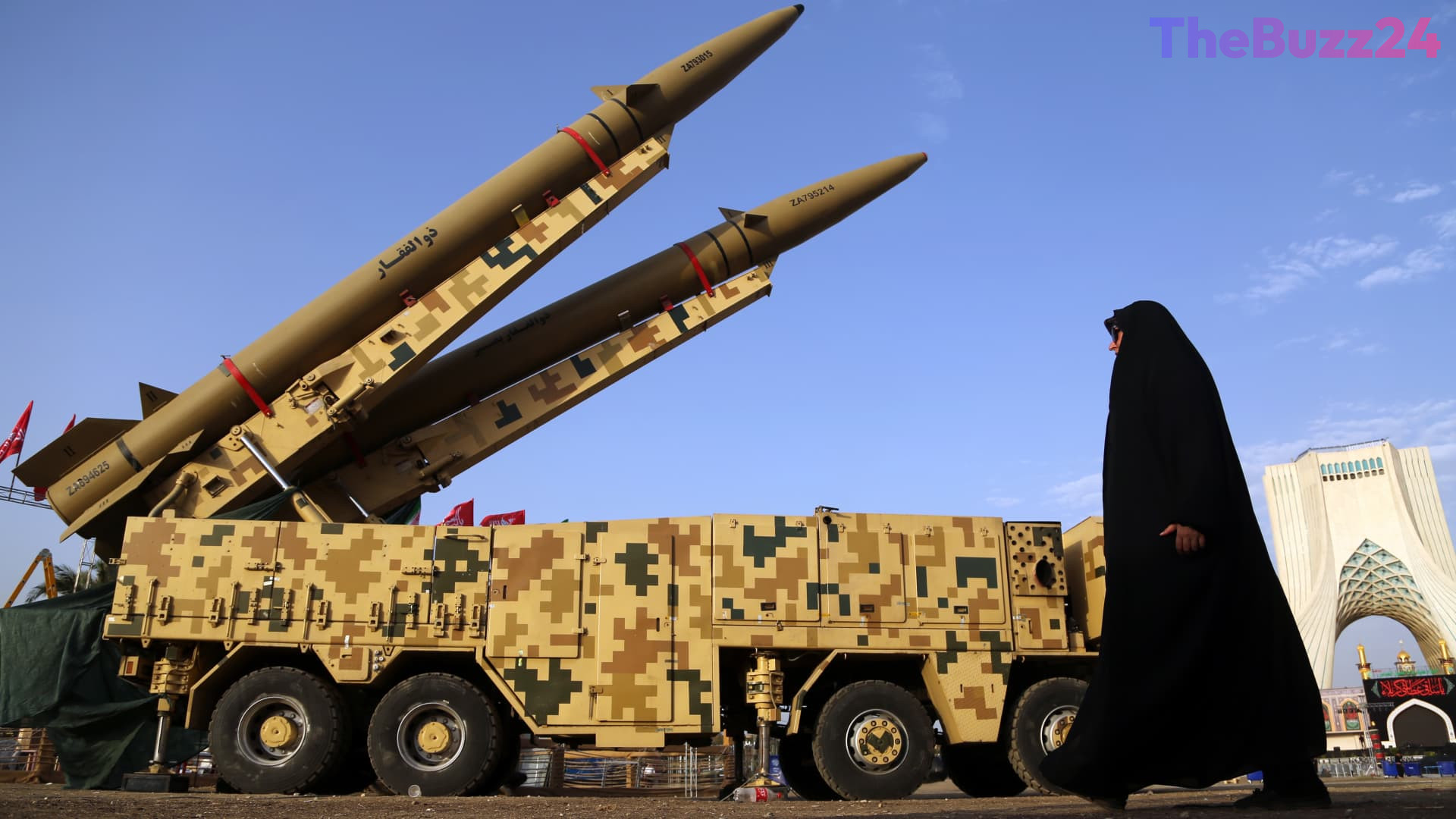
Regional instability in the Middle East escalated dramatically after Iranian military forces executed a surprise ballistic missile strike aimed at U.S. forces stationed in the region. The Islamic Revolutionary Guard Corps launched multiple missiles directly from Iranian territory, though defense systems successfully intercepted all incoming projectiles before impact. The strikes targeted U.S. operational positions, effectively ending a brief pause in direct military exchanges between Washington and Tehran.
In swift response to the incoming barrage and over 30 preceding drone strikes executed by regional proxy groups over several days, joint allied forces retaliated with precision strikes in eastern Iraq. U.S. and Saudi military units targeted multiple weapons storage and logistics facilities linked to Iran-aligned militias. Saudi officials confirmed their involvement in the coordinated strikes, asserting their right to defend domestic assets while stating a preference for avoiding further military escalation following recent drone attempts aimed at Saudi petroleum infrastructure.
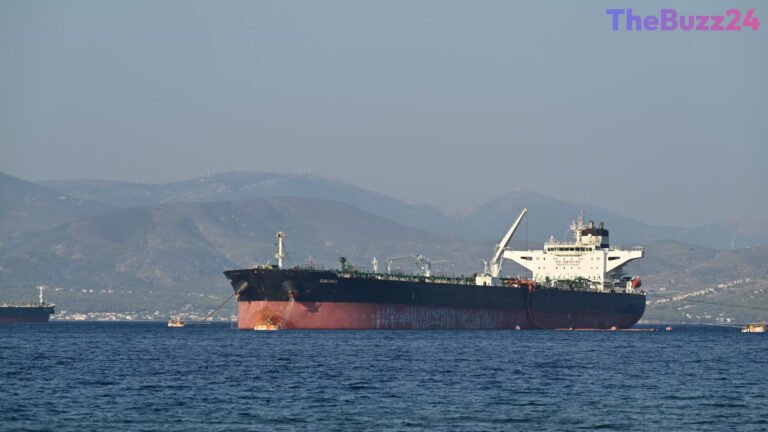
The renewed flare-up immediately impacted global energy markets, driving crude oil prices sharply upward after days of steady decline. Shipping security in critical maritime corridors has also deteriorated, with reports of explosions and suspicious activity affecting commercial tankers in the southern Red Sea near the Bab-el Mandeb strait. This key maritime passage is vital for international oil transit, and analysts warn that any severe blockade could paralyze global supply lines already strained by regional conflict.
Amid the escalating hostilities, defense posture concerns remain prominent in Washington. President Donald Trump has monitored strategic considerations regarding the replenishment of key air defense stockpiles, including Patriot interceptor munitions, amid heavy operational deployments in the region. Despite prior indications of a potential pause in aggression, the latest exchange underscores the volatile dynamics governing Middle Eastern security and international trade.
Key Takeaways
- Iranian forces launched a surprise ballistic missile attack targeting U.S. assets in the Middle East, but all incoming missiles were intercepted.
- U.S. and Saudi forces executed retaliatory strikes against militia logistics sites in eastern Iraq following dozens of targeted drone attacks.
- Crude oil prices surged as heightened geopolitical risk directly threatened vital energy transport corridors in the Red Sea.
Editor’s Analysis & Impact
The sudden resurgence of missile exchanges highlights the fragile nature of deterrence in the Middle East and presents immediate risk factors for global supply chains. Financial markets responded promptly, with crude oil reflecting a geopolitical risk premium driven by maritime security threats near the Bab-el Mandeb strait. A sustained blockade or continued targeting of energy infrastructure in Saudi Arabia could severely disrupt global trade flows and exacerbate international economic pressures. Furthermore, high operational usage of advanced interceptor munitions, such as Patriot missile systems, presents strategic supply challenges for U.S. defense logistics. Unless diplomatic off-ramps are actively established, prolonged conflict risks dragging regional powers deeper into asymmetric warfare with substantial macroeconomic fallout.
Frequently Asked Questions
Q: Were there any casualties or direct impacts from the Iranian missile strike?
A: Military defense systems successfully intercepted all incoming Iranian ballistic missiles, preventing any impacts on U.S. forces or facilities.
Q: How has the conflict affected international energy markets?
A: Crude oil prices surged sharply due to supply disruptions and security risks to commercial tankers operating near the critical Bab-el Mandeb shipping strait.
Q: What retaliatory measures were taken following the attack?
A: U.S. and Saudi forces conducted coordinated strikes against Iranian-aligned logistics and weapons sites in eastern Iraq to neutralize ongoing threats.
AI Disclosure: This article is based on verified data and official reports. Our Team and AI have cross-referenced every financial detail with primary sources to ensure total accuracy.
More from this Category