Texas Education Board Mandates Bible Curriculum in Public Schools
The Texas State Board of Education has officially approved a new curriculum mandate that will require public school students to study Bible stories as part of their academic instruction. The policy, which is slated for implementation by 2030, affects approximately five million students across the state and has ignited a heated debate regarding the separation of church and state.
The approved curriculum includes specific biblical narratives, such as the story of Adam and Eve and the account of Moses and the burning bush. While the broader reading list also incorporates secular literary classics like Charles Dickens’s ‘Great Expectations’ and William Shakespeare’s ‘The Tragedy of Julius Caesar,’ as well as historical speeches by Dr. Martin Luther King Jr. and Margaret Thatcher, the inclusion of religious texts remains the primary point of contention.
Supporters of the measure argue that these texts are essential for understanding the Judeo-Christian foundations of the nation. Conversely, critics and civil liberties organizations contend that the mandate promotes a specific religious viewpoint at the expense of inclusivity. Concerns have also been raised by educators regarding the potential loss of classroom autonomy, as teachers may face constraints in selecting materials that they deem most relevant to their students.
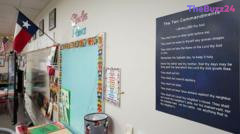
This decision follows a broader trend of conservative-led initiatives in Texas aimed at increasing the visibility of Christian values within the public education system. Previous measures, such as the requirement to display the Ten Commandments in classrooms, have already faced legal scrutiny, signaling that this latest curriculum change may lead to further challenges in the courts.
Key Takeaways
- Texas has approved a new curriculum requiring public school students to study specific Bible passages starting in 2030.
- The mandate includes a mix of religious texts and secular literature, such as works by Shakespeare and Dickens.
- Critics argue the policy violates the separation of church and state and lacks diversity, while supporters claim it reinforces historical and cultural foundations.
Editor’s Analysis & Impact
The decision by the Texas State Board of Education represents a significant shift in the landscape of American public education, reflecting a broader national trend of integrating religious heritage into state-sponsored curricula. From a market and industry perspective, this move will likely trigger a massive overhaul in textbook publishing and educational resource development, as publishers scramble to align their materials with these new state-specific requirements. The long-term implications suggest a deepening divide in educational standards across the United States, potentially leading to a fragmented national curriculum. Furthermore, the legal challenges likely to follow this mandate will serve as a bellwether for the judiciary’s stance on the Establishment Clause in the coming years. As states increasingly assert control over ideological content in schools, the role of local school boards and the autonomy of individual teachers will remain a critical point of friction in the American political discourse.
Frequently Asked Questions
Q: When will the new Bible-inclusive curriculum take effect in Texas schools?
A: The new reading requirements are scheduled to be implemented by the year 2030.
Q: Does the new curriculum only include religious texts?
A: No, the curriculum also includes secular literary classics such as works by William Shakespeare and Charles Dickens, as well as historical speeches by figures like Dr. Martin Luther King Jr.
AI Disclosure: This article is based on verified data and official reports. Our Team and AI have cross-referenced every financial detail with primary sources to ensure total accuracy.
More from this Category