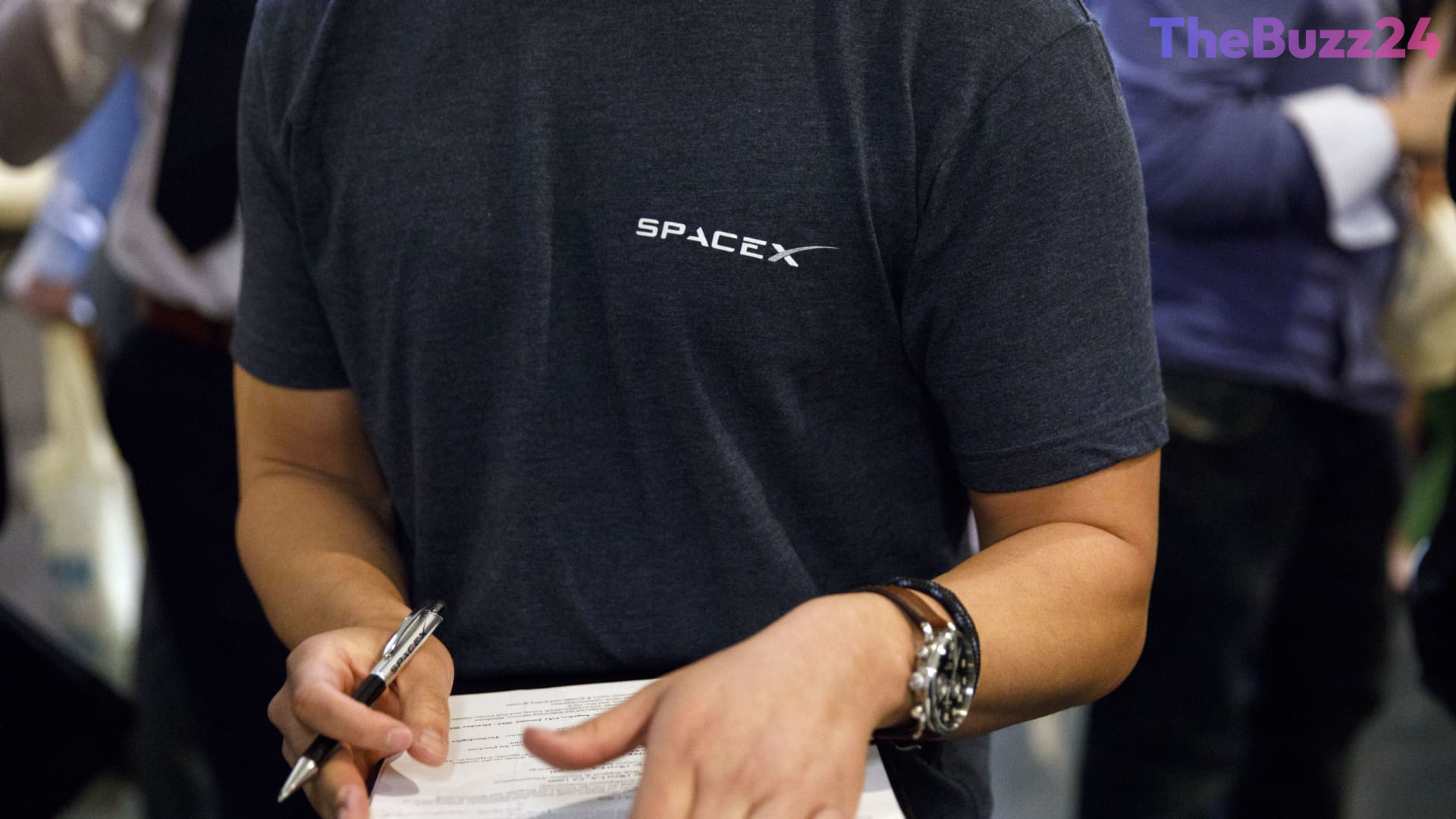
The Cosmic Talent War: Space Sector Hiring Surges Despite Market Cool-Downs
While high-profile space stocks like SpaceX have experienced post-IPO cooling, the underlying space economy is experiencing an unprecedented hiring boom. Globally, the sector is expanding at an annual rate of approximately 9%, with its total valuation reaching a record $613 billion in mid-2025. This rapid expansion is fueling a massive domestic job market, with space-sector employment growing by 27% over the past decade—nearly double the rate of the broader private sector.
A defining feature of this employment surge is the influx of younger talent. Nearly half of the newly created positions in the space economy are being filled by professionals under the age of 35, defying a broader national trend of declining youth participation in professional services. This demographic shift is supported by highly competitive compensation packages. Median annual salaries in the private space sector range from $100,000 to $135,000, often supplemented by lucrative stock options that have previously minted overnight millionaires during major industry liquidity events.
Despite these attractive incentives, the industry faces a severe talent bottleneck. Over half of all private-sector space jobs require specialized science, technology, engineering, and mathematics (STEM) skills—double the national average. With only a quarter of the American workforce possessing formal STEM training, aerospace firms are locked in a fierce battle for talent. Major industry players like RTX Corp and Lockheed Martin are currently listing tens of thousands of open positions, particularly for safety, information security, and hardware engineers.
The labor shortage is equally acute in skilled manufacturing, where machinists, welders, and technicians are in high demand to build satellites and space vehicles. Because these workers are also sought after by the automotive, biotech, and semiconductor industries, space companies are forced to innovate. Firms like Firefly Aerospace and Blue Origin are increasingly investing in early education, community college partnerships, and specialized training programs to cultivate the next generation of aerospace talent. As the commercialization of space accelerates, bridging this skills gap will be critical to sustaining the industry’s ambitious growth trajectory.
Key Takeaways
- The space economy has reached a record valuation of $613 billion, driving a 27% increase in sector employment over the last decade.
- A severe STEM talent shortage persists, with over 50% of space jobs requiring advanced technical skills compared to only 25% of the general workforce possessing them.
- To combat high attrition rates and labor deficits, aerospace firms are heavily investing in localized training programs, academic partnerships, and youth outreach.
Editor’s Analysis & Impact
The current hiring frenzy in the space sector highlights a fundamental shift from speculative exploration to mature commercialization. While high-profile stock market fluctuations often dominate headlines, the underlying infrastructure of the space economy—driven by satellite technology, global supply chain optimization, and national security—demands a robust, highly skilled workforce. The primary bottleneck to this multi-trillion-dollar outlook is no longer capital, but human resources. The industry’s high attrition rate of 16% and the severe deficit in both STEM graduates and skilled manufacturing labor present a systemic risk to production timelines. To sustain long-term growth, the aerospace sector must transition from merely competing for existing talent to actively manufacturing it through deep institutional partnerships and vocational training. Investors should view a company’s talent pipeline and retention strategy as a primary indicator of its operational viability.
Frequently Asked Questions
Q: Why is there a labor shortage in the space industry despite high salaries?
A: The shortage is driven by a mismatch in skills. Over 50% of space sector jobs require specialized STEM training, which only about 25% of the U.S. workforce possesses. Additionally, the industry faces intense competition from other high-tech sectors like automotive, biotech, and semiconductors for skilled manufacturing talent like welders and machinists.
Q: How are space companies addressing the talent gap?
A: Companies are increasingly partnering with local high schools, community colleges, and universities to build specialized vocational programs. Some, like Blue Origin and Firefly Aerospace, are funding early STEM education initiatives and participating in transition programs like the DoD SkillBridge to recruit military veterans.
Q: What roles are currently most in demand within the aerospace sector?
A: The most highly sought-after professional roles include Safety Engineers, Information Security Specialists, Integration Engineers, Reliability Engineers, and Hardware Engineers. There is also a critical demand for skilled blue-collar workers, including precision machinists and welders.
AI Disclosure: This article is based on verified data and official reports. Our Team and AI have cross-referenced every financial detail with primary sources to ensure total accuracy.
More from this Category