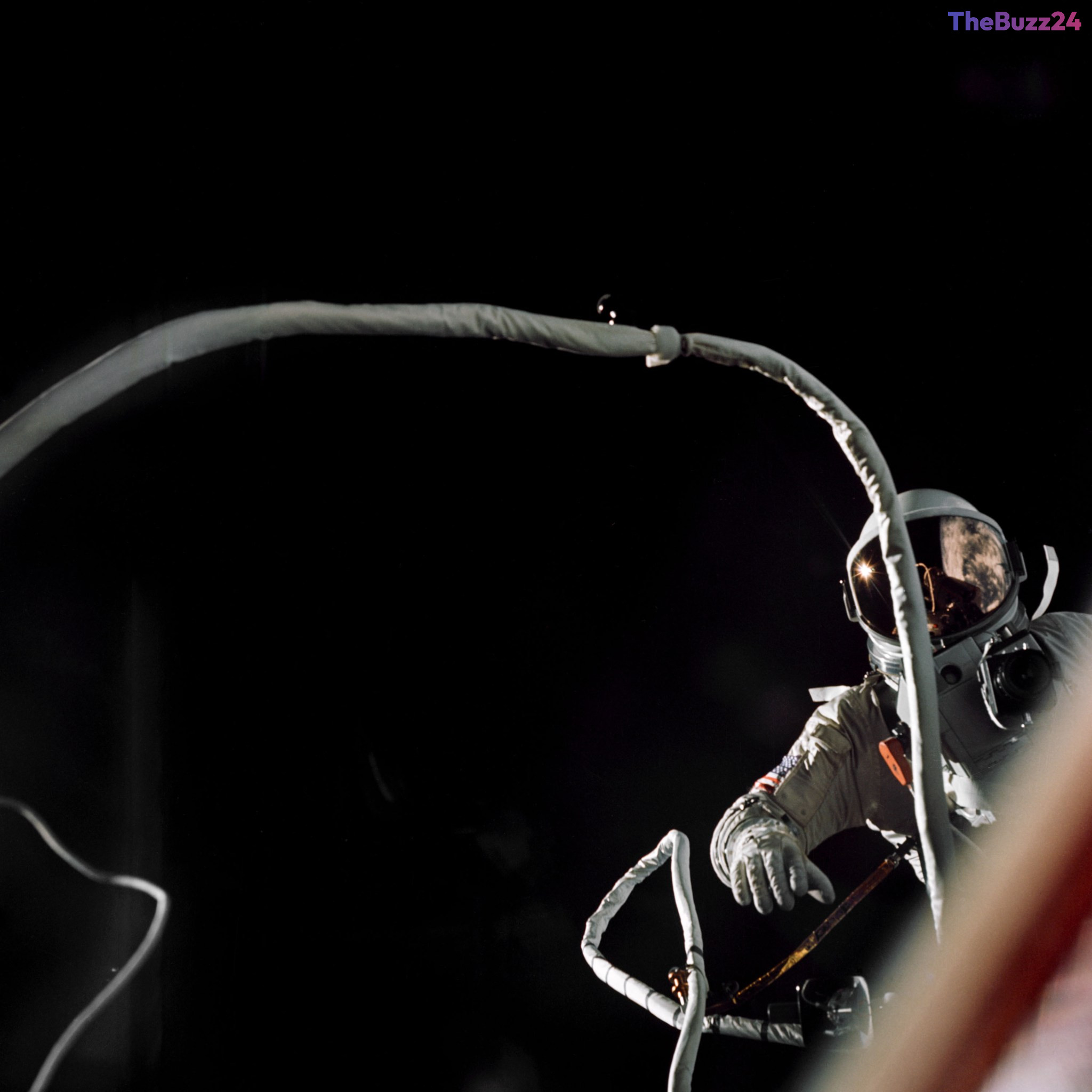
The Grueling Reality of Early Spacewalks: Lessons from Gemini IX-A
In June 1966, the Gemini IX-A mission marked a pivotal, albeit harrowing, chapter in the history of American space exploration. Astronaut Eugene Cernan was tasked with an ambitious extravehicular activity (EVA) intended to last nearly three hours. However, shortly after exiting the spacecraft, Cernan encountered severe physical obstacles that transformed the mission into a struggle for survival rather than a routine technical test.
The primary issue stemmed from the rigidity of the spacesuit, which made even basic movements physically exhausting. As Cernan labored to complete his objectives, his exertion led to profuse sweating, which quickly overwhelmed the suit’s oxygen-based cooling system. The resulting condensation fogged his helmet visor entirely, leaving him effectively blind. With his heart rate spiking to a dangerous 180 beats per minute, mission control made the critical decision to terminate the spacewalk early, bringing him back inside after two hours and eight minutes.
Upon the mission’s conclusion, medical evaluations revealed that Cernan had lost 13 pounds, primarily due to extreme dehydration during the EVA. While the mission was physically taxing, the data gathered proved invaluable. The difficulties faced by Cernan forced a complete overhaul of how astronauts were trained for space, leading to significant advancements in suit mobility, cooling technology, and mission protocols that were essential for the success of subsequent lunar landings.
Key Takeaways
- Eugene Cernan's 1966 spacewalk highlighted critical flaws in early spacesuit design and cooling systems.
- The physical exhaustion and vision obstruction caused by helmet fogging forced an early termination of the EVA.
- The lessons learned from the Gemini IX-A mission were instrumental in developing the technology and training required for future moon missions.
Editor’s Analysis & Impact
The Gemini IX-A mission serves as a quintessential example of ‘learning by doing’ in the high-stakes environment of early space exploration. By pushing the boundaries of human endurance and equipment capability, NASA identified systemic weaknesses that could have been catastrophic during later lunar missions. The industry impact of this event cannot be overstated; it shifted the focus from merely achieving a spacewalk to perfecting the ergonomics and life-support systems necessary for long-duration work in a vacuum. This transition from experimental trial-and-error to rigorous, data-driven engineering became the bedrock of the Apollo program. Today, these early struggles remain a foundational case study in human factors engineering, reminding modern aerospace developers that even the most advanced technology must be balanced against the physiological limitations of the human operator.
Frequently Asked Questions
Q: Why was Eugene Cernan's spacewalk cut short?
A: The spacewalk was terminated early because Cernan became physically exhausted, his heart rate reached dangerous levels, and his helmet visor fogged up completely, leaving him unable to see.
Q: How did the Gemini IX-A mission influence future space missions?
A: The challenges faced during the mission led to major improvements in spacesuit design, better cooling systems, and more effective training protocols, which were vital for the success of the later Apollo moon landings.
AI Disclosure: This article is based on verified data and official reports. Our Team and AI have cross-referenced every financial detail with primary sources to ensure total accuracy.
More from this Category