The Neocloud Crisis: Are Data Center Firms Fueling an AI Bubble?
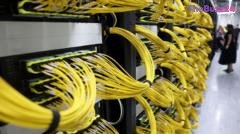
A new class of data center operators, known as ‘neocloud’ firms, has emerged as a critical backbone for the artificial intelligence industry. These companies manage massive warehouses filled with high-performance computing hardware, which they lease to major AI developers such as OpenAI, Anthropic, and Meta. However, as these firms face increasing financial scrutiny, experts are debating whether their business models are sustainable or if they represent a fragile link in the broader AI economy.
Many neocloud companies rely on a high-leverage strategy, financing expensive hardware purchases by securing long-term lease contracts with tech giants. By using these contracts and the hardware itself as collateral, firms like CoreWeave have accumulated billions in debt. While this model allows for rapid expansion, it leaves these companies highly vulnerable to shifts in market sentiment and interest rate fluctuations. Recent market volatility has seen shares in firms like CoreWeave, Nebius, IREN, and Applied Digital drop significantly, signaling growing investor anxiety regarding their long-term solvency.
Interestingly, many of these neocloud operators share a common history in the volatile cryptocurrency mining sector. Companies like CoreWeave and IREN pivoted from mining digital assets to supporting AI infrastructure when the demand for computing power surged in 2022. While this transition initially positioned them for rapid growth, their reliance on the spending habits of Big Tech customers creates a precarious dependency. If major tech companies scale back their AI investments, these smaller, debt-heavy operators could face severe financial distress.
Industry analysts remain divided on the sector’s future. While some argue that neoclouds fill a vital supply gap that larger data center providers cannot address, others warn of imminent consolidation. Projections suggest that a significant majority of these firms may cease independent operations by 2030, either through acquisition or insolvency. As the industry navigates power supply constraints and public backlash against data center expansion, the stability of these neocloud providers remains a central question for the future of the AI arms race.
Key Takeaways
- Neocloud firms are heavily leveraged, using long-term customer contracts and hardware as collateral to fund massive infrastructure expansion.
- Many leading neocloud companies originated in the crypto mining industry, leveraging similar infrastructure to meet the sudden demand for AI computing power.
- Analysts warn of a potential wave of consolidation or insolvency, as high debt levels and dependence on Big Tech spending make these firms vulnerable to market corrections.
Editor’s Analysis & Impact
The rise and potential instability of neocloud firms highlight a classic ‘arms race’ dynamic within the AI sector. By acting as intermediaries between capital-intensive hardware requirements and the massive computing needs of AI developers, these firms have enabled rapid innovation. However, the reliance on debt-fueled growth creates a systemic risk. If the AI sector experiences a cooling period or if Big Tech firms pivot their capital expenditure strategies, the neocloud sector will likely face a brutal consolidation phase. The market is currently pricing in this risk, as evidenced by the recent sell-off in related stocks. The long-term outlook suggests that only those with the most robust balance sheets and strategic partnerships with hyperscalers will survive, while smaller, less efficient players will likely be absorbed or shuttered.
Frequently Asked Questions
Q: What is a 'neocloud' firm?
A: A neocloud firm is a specialized data center operator that provides high-performance computing infrastructure and cloud services specifically tailored for AI developers and large-scale machine learning tasks.
Q: Why are neocloud firms considered financially risky?
A: These firms often carry significant debt because they must purchase expensive hardware upfront. Their business model depends heavily on long-term contracts with major tech companies; if those customers reduce spending or if interest rates rise, the firms may struggle to service their debt.
AI Disclosure: This article is based on verified data and official reports. Our Team and AI have cross-referenced every financial detail with primary sources to ensure total accuracy.
More from this Category