The New Age of Maritime Warfare: Why Global Trade Chokepoints Are Becoming Permanent Battlegrounds
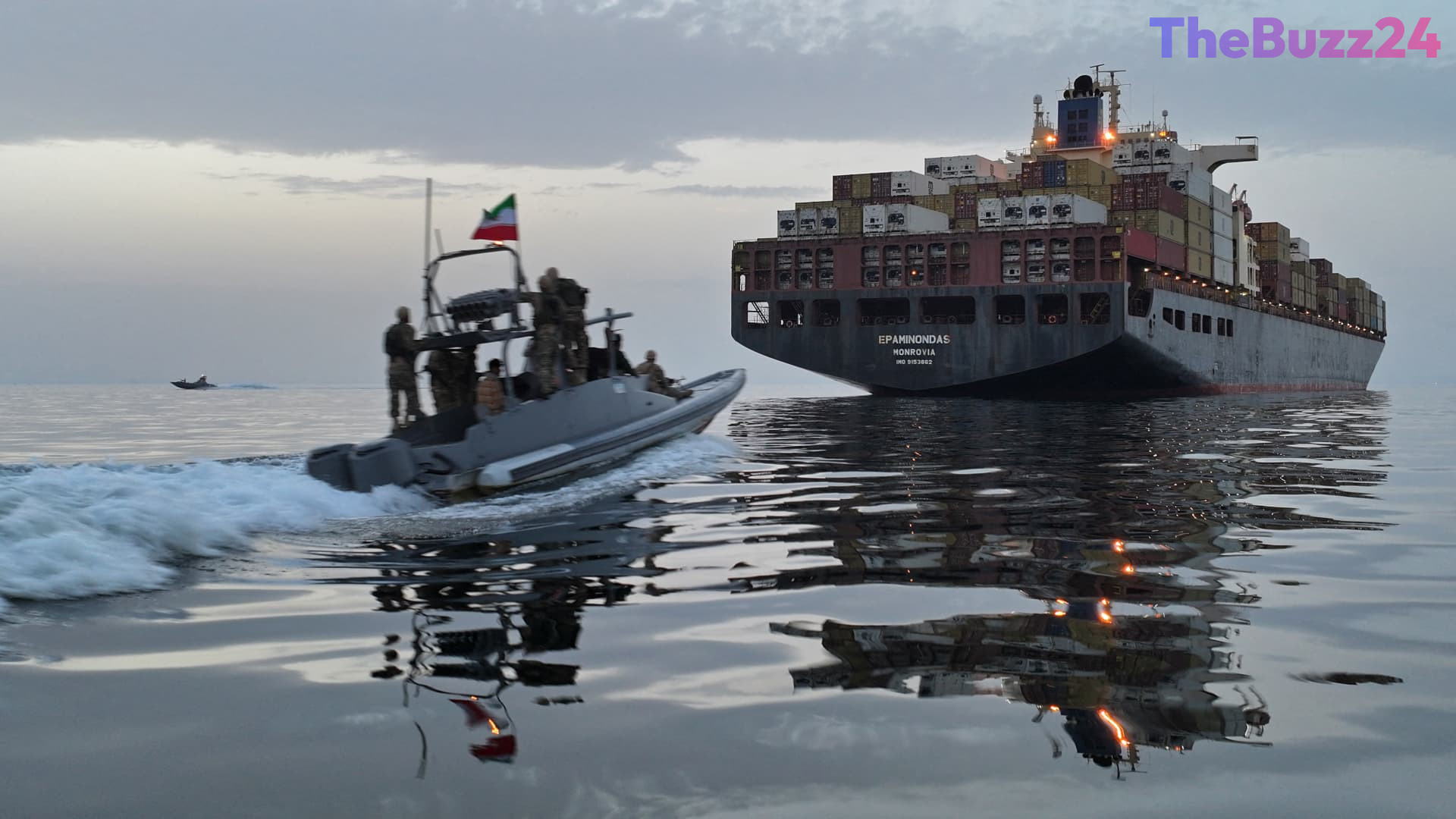
The global maritime landscape is undergoing a profound transformation as critical shipping lanes, once considered reliable conduits for international commerce, increasingly become theaters of conflict. From the Strait of Hormuz and the Red Sea to the Black Sea and the Sea of Azov, commercial vessels are facing unprecedented threats from drones and missiles. With approximately 80% of global merchandise trade moving by sea, these disruptions are creating a ripple effect that threatens the stability of energy, food, and consumer goods supplies worldwide.
Modern maritime warfare has evolved, with smaller military forces now utilizing low-cost, high-impact technology to challenge established naval powers and disrupt economic lifelines. In the Black Sea, the use of drone-led offensives has significantly degraded fleet capabilities and forced a reassessment of regional trade security. Experts note that this shift represents a departure from traditional territorial warfare, moving the conflict directly into the logistics and supply chain sectors that underpin the global economy.
As shipping companies grapple with these emerging risks, the industry is shifting toward a strategy of permanent uncertainty. Beyond immediate rerouting and increased insurance premiums, corporations are investing in long-term structural changes, such as overland corridors and bypass pipelines, to reduce reliance on vulnerable waterways. While the Panama Canal is increasingly viewed as the next potential flashpoint due to geopolitical tensions and environmental constraints, the broader trend suggests that the era of ‘free and open’ maritime passage is being replaced by a model where redundancy and risk management are essential costs of doing business.
Ultimately, the vulnerability of these maritime corridors is forcing a fundamental redesign of global logistics. As insurers and shipowners navigate a landscape where the threat of disruption is constant, the reliance on traditional sea routes is being challenged. This transition toward a more fragmented and fortified supply chain architecture is expected to persist for decades, permanently altering the economics of global trade.
Key Takeaways
- Approximately 80% of global trade volume relies on maritime shipping, making chokepoint disruptions a major threat to global price stability.
- The rise of low-cost drone and missile technology has democratized maritime warfare, allowing smaller forces to effectively threaten major commercial shipping lanes.
- Industry leaders are moving away from the assumption of 'free' maritime access, instead investing in long-term infrastructure like pipelines and overland routes to bypass high-risk zones.
Editor’s Analysis & Impact
The shift from territorial conflict to ‘logistics warfare’ marks a structural break in the globalized economy. For decades, the efficiency of maritime trade was predicated on the assumption of open seas and low-cost insurance. The current trend of weaponizing chokepoints—whether through direct kinetic attacks or the threat of disruption—forces a transition toward ‘just-in-case’ supply chain management. This will likely lead to persistent inflationary pressure as companies bake the costs of redundancy, insurance surcharges, and longer transit times into their pricing models. Looking ahead, we expect a bifurcation in global trade: high-value, time-sensitive goods will increasingly move via air or secure overland corridors, while bulk commodities will remain tethered to increasingly volatile maritime routes, necessitating a massive capital investment in regional storage and alternative transit infrastructure.
Frequently Asked Questions
Q: Why are drones considered a game-changer in maritime warfare?
A: Drones provide smaller military forces with a cost-effective way to threaten, damage, or sink large commercial vessels and port infrastructure, effectively neutralizing the advantage of larger, more expensive naval fleets.
Q: How are shipping companies adapting to these risks?
A: Companies are implementing 'redundancy' strategies, including rerouting vessels, utilizing overland transport corridors, building bypass pipelines, and increasing inventory buffers to mitigate the impact of potential waterway closures.
AI Disclosure: This article is based on verified data and official reports. Our Team and AI have cross-referenced every financial detail with primary sources to ensure total accuracy.
More from this Category