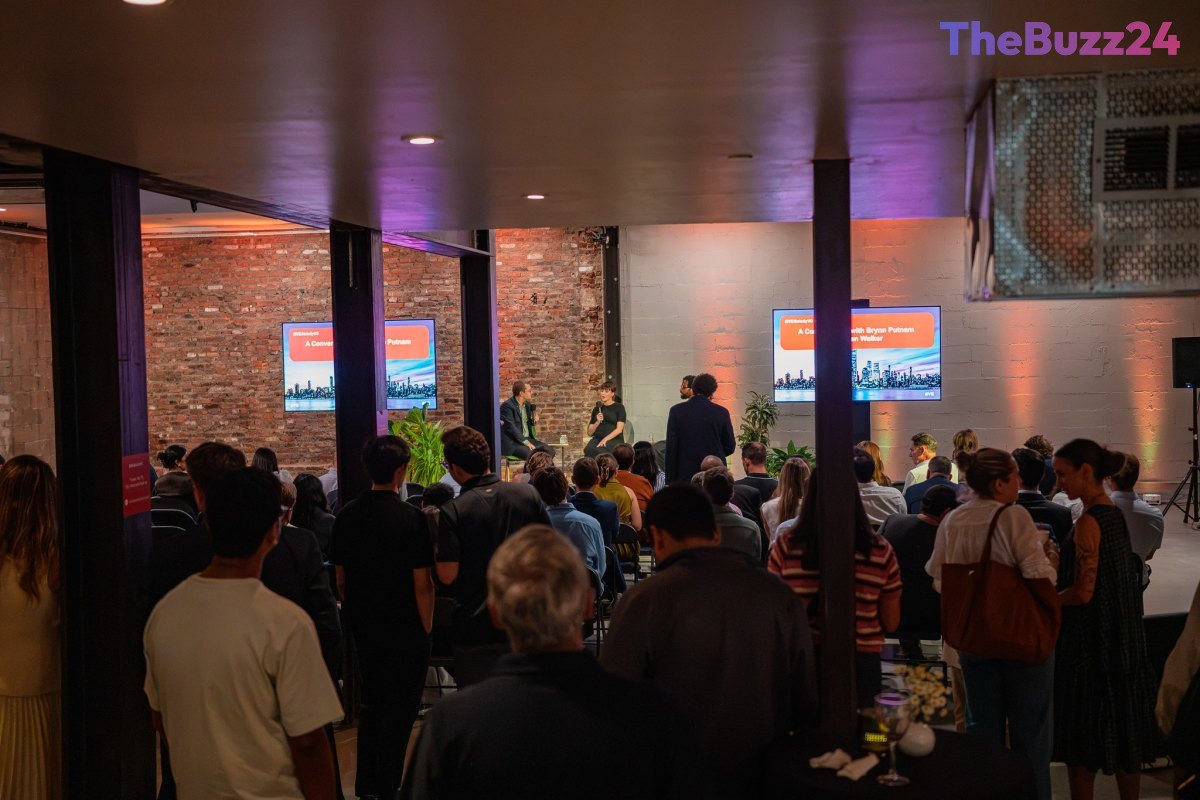
The Offline Renaissance: Why Tech Founders Are Pivoting to In-Person Connection
A growing cohort of successful entrepreneurs is shifting focus from purely digital experiences to ventures that prioritize physical, in-person interaction. Founders like Brynn Putnam, who sold Mirror to Lululemon, and Tristan Walker, known for Walker & Company Brands, are leveraging their past successes to build companies centered on the ‘offline’ experience. These ventures range from interactive touchscreen tables designed for group play to specialized trade schools focused on traditional craftsmanship, signaling a broader market trend toward combating the isolation often exacerbated by digital-first lifestyles.
This movement comes at a time when global health organizations have identified loneliness as a significant public health crisis. As technology continues to permeate daily life, consumer sentiment is shifting toward valuing shared experiences over material goods. Entrepreneurs such as Andy Dunn and Audrey Gelman are also tapping into this demand, creating platforms for social discovery and immersive hospitality experiences. These founders argue that while technology has historically been used to isolate users, it can be repurposed to facilitate genuine human connection.
For these founders, the mission is deeply personal. Putnam’s new venture, Board, utilizes advanced touchscreen technology to allow people of all ages to engage in shared play, removing the barrier of complex digital interfaces. Similarly, Walker’s Heirloom Craft aims to restore the prestige of manual trades, attracting a younger demographic of tech workers who are seeking ‘phones-down’ creative outlets. While these startups currently operate on a smaller scale compared to massive software firms, they represent a significant bet that the future of business lies in fostering community and tangible skill-building.
Whether ‘togetherness’ can evolve into a scalable investment category remains to be seen. While some ventures, such as Adam Neumann’s Flow, have secured massive capital, the challenge remains in balancing the human-centric nature of these businesses with the growth expectations of venture capital. However, the track record of these founders suggests that they have identified a genuine shift in consumer behavior, potentially setting the stage for a new era of experience-based commerce.
Key Takeaways
- Prominent founders are pivoting from digital-only products to businesses that facilitate physical, in-person social interaction.
- The shift is driven by a growing global awareness of loneliness and a consumer preference for experiences over material goods.
- New ventures are utilizing technology to bridge the gap between digital convenience and analog connection, targeting demographics ranging from Gen Z to older generations.
Editor’s Analysis & Impact
The trend toward ‘offline’ startups reflects a maturing digital economy where the novelty of screen-based interaction is wearing off. As AI and automation threaten to displace traditional knowledge work, there is a clear market opportunity in ‘human-centric’ services that emphasize mastery, physical presence, and community. From an investment perspective, this is a high-risk, high-reward pivot; while these businesses lack the infinite scalability of SaaS models, they offer high customer loyalty and brand differentiation in an increasingly commoditized digital landscape. The success of these ventures will likely depend on whether they can achieve operational efficiency without diluting the authentic, human-focused experiences that define their value proposition. If these founders succeed, we may see a broader shift in venture capital toward ‘social infrastructure’ as a legitimate asset class.
Frequently Asked Questions
Q: Why are tech founders moving away from digital-only products?
A: Many founders are responding to the growing global loneliness epidemic and a shift in consumer demand toward meaningful, in-person experiences rather than purely digital or material consumption.
Q: Is there a specific demographic driving the interest in manual trade schools?
A: Yes, there is significant interest from younger generations, including Gen Z and tech workers, who are seeking 'phones-down' creative outlets and alternatives to traditional four-year degree paths.
AI Disclosure: This article is based on verified data and official reports. Our Team and AI have cross-referenced every financial detail with primary sources to ensure total accuracy.
More from this Category