The Rise of the Robot Recruiter: How AI Interviewers Are Transforming the Job Hunt
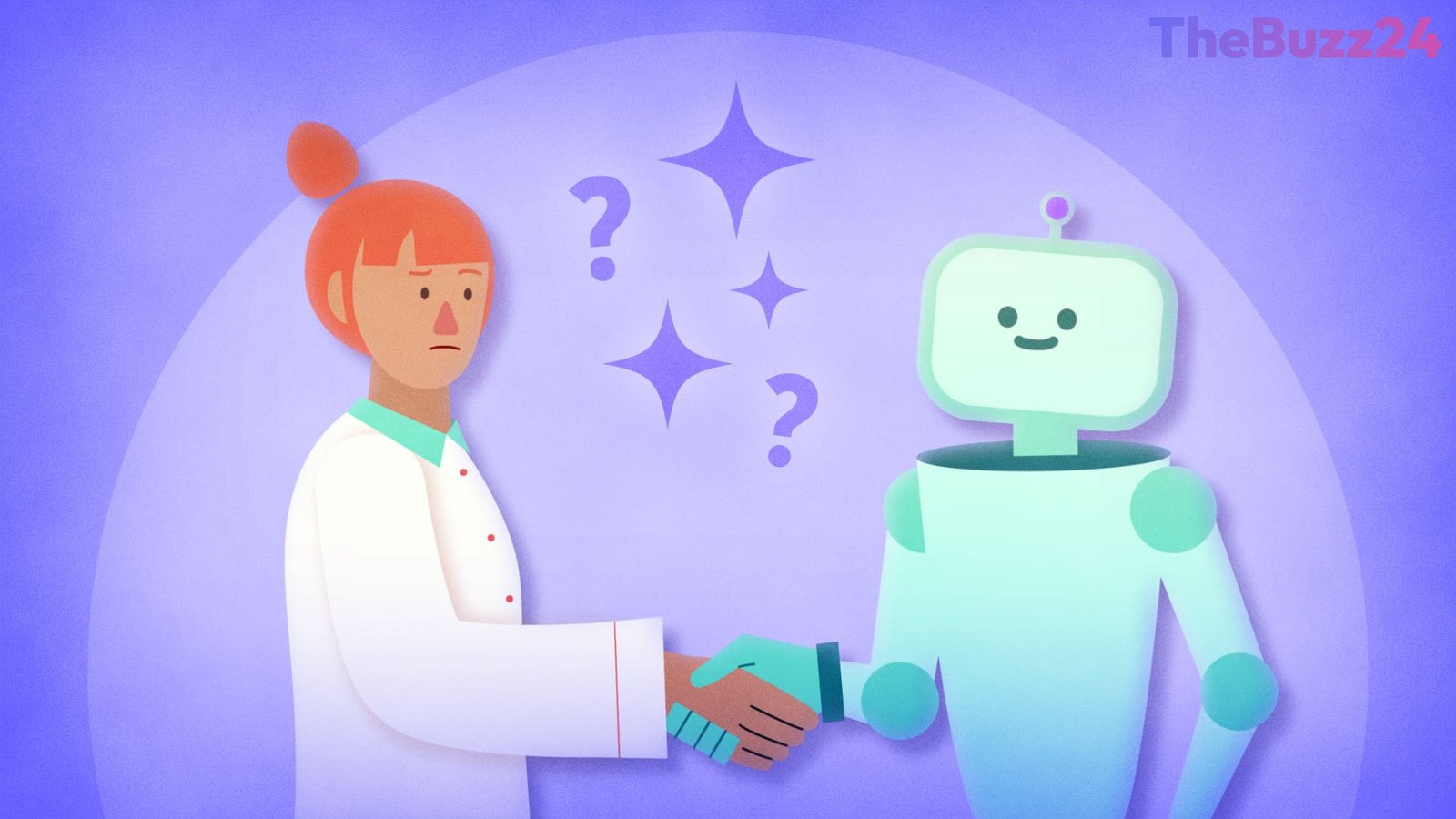
Artificial intelligence has rapidly integrated into nearly every phase of the modern job hunt, from parsing resumes to drafting cover letters. Now, technology is claiming the interview stage itself. Rather than speaking with a human recruiter during the initial screening, job seekers are increasingly being asked to interact with AI interviewers. These digital gatekeepers range from text-based bots to highly realistic humanlike avatars that mimic facial expressions, creating a novel and often unsettling experience for candidates navigating the job market.
Employers are turning to automated interviewing systems primarily to cope with an unprecedented surge in job applications. Data indicates that the volume of applicants per open role has doubled in recent years, while corporate restructuring has left many HR departments understaffed. For smaller recruiting teams, manually screening thousands of applicants is an impossible task. AI platforms, such as those developed by HireVue, offer a highly scalable alternative, allowing companies to screen massive pools of candidates simultaneously to save time and reduce administrative costs.
Despite the efficiency gains for employers, the transition to automated interviews has been jarring for job seekers. Unlike human recruiters, AI bots lack empathy and cannot offer real-time social cues, such as a reassuring smile or a nod, which often helps ease candidate anxiety. Furthermore, current AI tools frequently struggle with conversational nuances, natural pauses, and diverse accents. If a candidate pauses to gather their thoughts, the system may abruptly move to the next question. There are also growing concerns regarding algorithmic bias and accessibility, particularly for neurodivergent individuals who may find mandated eye contact with a camera difficult.
To successfully navigate this automated landscape, candidates must adjust their traditional interview strategies. Because AI systems grade responses based on specific keywords and direct alignment with job descriptions, vague or overly nuanced answers can lead to automatic disqualification. Experts recommend speaking with absolute clarity, enunciating carefully, and structuring answers directly. Starting a response with a clear “yes” or “no” before providing concrete examples is highly effective, as it ensures the algorithm accurately captures the candidate’s qualifications before the application is passed along to a human manager.
Key Takeaways
- AI interviewers, ranging from text bots to lifelike digital avatars, are increasingly replacing human recruiters in the initial screening phase of hiring.
- Employers are adopting these automated tools to manage a massive surge in job applications amid downsized HR departments.
- Candidates must adapt by being highly specific, enunciating clearly, and avoiding conversational nuances that AI algorithms might misinterpret.
Editor’s Analysis & Impact
The integration of AI into the hiring pipeline represents a double-edged sword for the modern labor market. On one hand, it solves a critical scalability issue for corporations overwhelmed by digital applications. On the other hand, it risks alienating top-tier talent who find the automated process cold and exclusionary. From an industry perspective, we expect to see a rapid maturation of these AI tools, with developers focusing heavily on reducing algorithmic bias and improving natural language processing to better understand conversational nuances. However, companies must strike a careful balance; over-relying on automated gatekeepers could lead to homogenous hiring pools and the accidental rejection of highly qualified, non-traditional candidates. Ultimately, the human element remains irreplaceable for assessing cultural fit and emotional intelligence.
Frequently Asked Questions
Q: What is an AI interviewer and how does it work?
A: An AI interviewer is an automated software program, sometimes represented by a digital avatar or voice bot, that conducts initial job screenings. It asks standardized questions based on the job description, records the candidate's responses, and generates a transcript and performance scorecard for human hiring managers to review.
Q: Why are job seekers struggling with AI interviews?
A: Many candidates find the lack of human feedback—such as nods, smiles, or verbal encouragement—jarring and anxiety-inducing. Additionally, AI systems can struggle with accents, natural pauses, and conversational nuances, sometimes leading to misunderstandings or premature rejections.
Q: How can I improve my chances of passing an AI interview?
A: Focus on clear enunciation, speak directly to the prompt, and avoid vague answers. Since AI evaluates responses based on specific criteria, structure your answers clearly, starting with direct statements (like 'Yes, I have experience with…') and backing them up with concrete details.
AI Disclosure: This article is based on verified data and official reports. Our Team and AI have cross-referenced every financial detail with primary sources to ensure total accuracy.
More from this Category