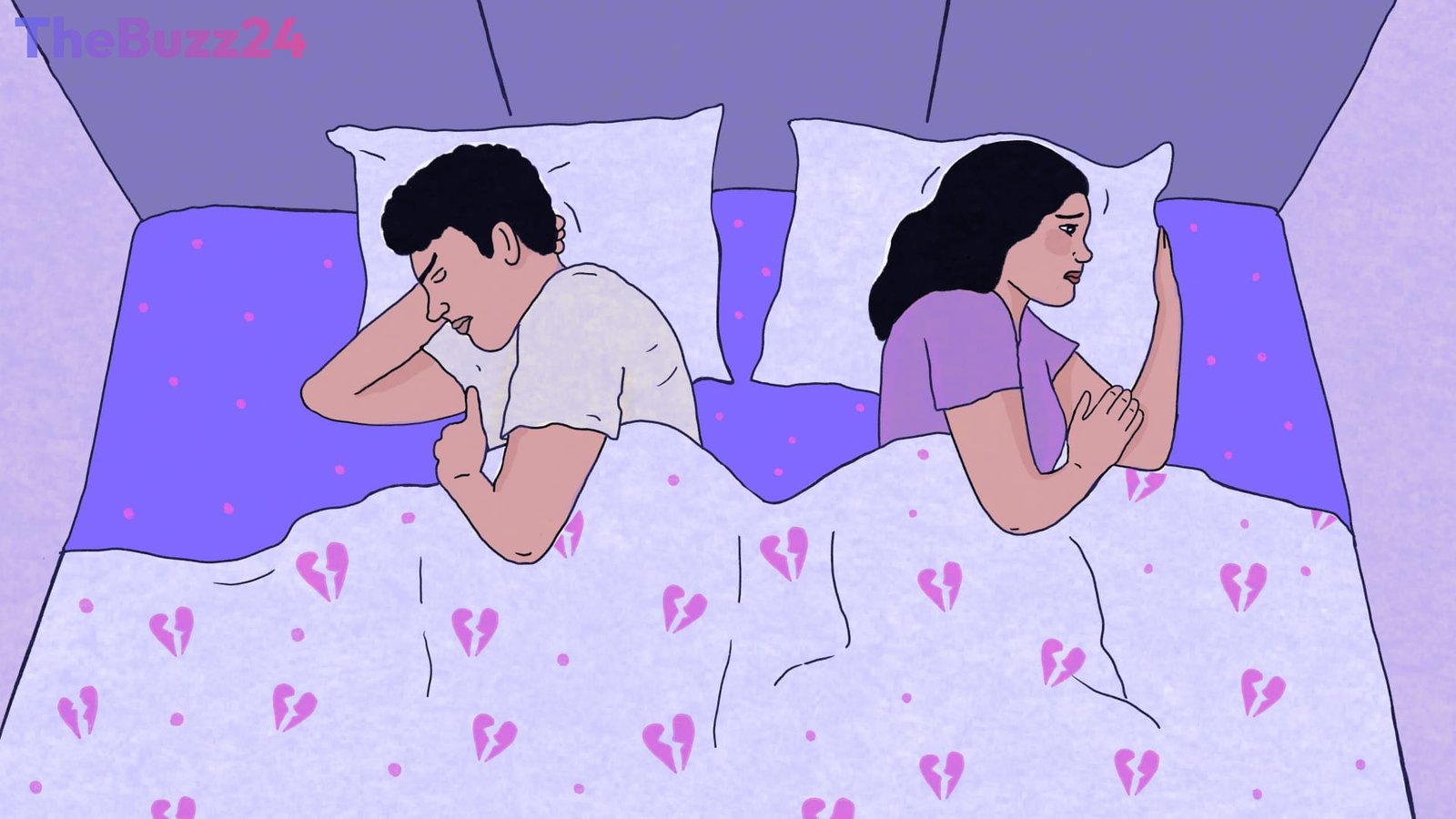
The Silent Relationship Killer: 5 Signs Your Partnership is Just ‘Coexisting’
Many long-term couples fall into a subtle trap, a gradual erosion of connection that psychologists are identifying as ‘coexistence without contact.’ This phenomenon occurs when partners share a home, a bed, and a daily schedule, yet lead increasingly separate lives, missing the deep conversations that truly bind them.
This drift isn’t usually the result of a major conflict but rather a slow accumulation of small, seemingly harmless habits. Experts point to three primary culprits: succumbing to exhaustion after busy workdays, adopting an overly efficient, task-oriented mindset that mirrors business management, and deliberately avoiding potentially difficult conversations to maintain peace. While these strategies might seem practical, they inadvertently create distance, leading to a household that functions smoothly but lacks genuine intimacy.
Recognizing the signs is the first step toward rekindling connection. Psychologists highlight five common indicators. Firstly, conversations become purely transactional, focusing only on logistics and chores, with no room for personal anecdotes or reflections. Secondly, the ritual of winding down together before sleep is abandoned, with partners retreating to their phones or separate routines, missing a crucial window for vulnerability. Thirdly, morning check-ins are reduced to calendar confirmations, leaving partners unaware of each other’s emotional state regarding the day ahead.
Furthermore, weekends often become divided into separate errands and tasks, a practical approach that further minimizes shared time. Finally, couples may stop engaging in the small negotiations of daily life, such as deciding what to watch or do together, mistaking this lack of shared decision-making for incompatibility rather than a symptom of disuse. This decline in shared activities and conversations can leave partners feeling like strangers sharing a living space, rather than a connected couple.
Key Takeaways
- Many long-term couples suffer from 'coexistence without contact,' sharing a life but not genuine connection.
- The decline is often caused by exhaustion, an overly efficient mindset, and avoidance of difficult conversations.
- Key signs include transactional communication, abandoned bedtime rituals, divided weekends, and a lack of shared decision-making.
Editor’s Analysis & Impact
The prevalence of ‘coexistence without contact’ highlights a growing challenge in modern relationships, exacerbated by demanding work cultures and the pervasive influence of digital distractions. The article’s analysis underscores a critical shift: applying business efficiency principles to personal relationships can be detrimental, eroding the nuanced communication and shared experiences vital for intimacy. This trend suggests a broader societal need to prioritize presence and deep connection over mere functional cohabitation. The future outlook indicates a continued struggle for couples to balance individual pursuits with shared intimacy, necessitating conscious effort and strategic reconnection efforts to maintain healthy, fulfilling partnerships.
Frequently Asked Questions
Q: What is 'coexistence without contact' in a relationship?
A: 'Coexistence without contact' describes a relationship state where partners live together, share responsibilities, and maintain a functional household, but lack deep emotional connection and meaningful conversation. They are physically present but emotionally distant.
Q: How can couples combat this lack of connection?
A: Couples can reconnect by intentionally creating space for conversation, such as designating phone-free times, planning shared activities, taking on fewer obligations to free up time, and asking each other deeper, personal questions regularly.
Q: Is it normal for couples to have separate hobbies and friends?
A: Yes, it is normal and healthy for couples to have individual interests and friendships. However, the issue arises when these separate lives become the *only* lives, and there's no longer significant overlap, shared experiences, or deep communication about those individual pursuits.
AI Disclosure: This article is based on verified data and official reports. Our Team and AI have cross-referenced every financial detail with primary sources to ensure total accuracy.
More from this Category