The Silent Threat: Vaccine Uncertainty Drives Public Health Concerns Amid Rising Measles Cases
A recent examination of public sentiment suggests that widespread vaccine uncertainty, rather than outright opposition, represents a significant and growing challenge to public health in the United States. While a small fraction of Americans hold firm anti-vaccine beliefs, a much larger segment finds itself in a “gray area,” grappling with questions and anxieties about immunizations. This pervasive indecision leaves many susceptible to conflicting information regarding vaccine safety and effectiveness, posing a critical risk as childhood vaccination rates experience a slight decline and preventable diseases resurface.
This uncertainty is not merely a lack of information but a complex state of confusion. A survey conducted by health policy research organization KFF revealed that fewer than one in ten respondents definitively believed common vaccine myths. However, at least half of those surveyed expressed a degree of uncertainty, deeming such claims “probably true” or “probably false.” Drew Altman, KFF CEO, highlighted this phenomenon, stating that many Americans are “stuck in the middle, unsure and they’re up for grabs,” struggling to discern trustworthy information amidst a deluge of competing messages. This environment is further complicated by political rhetoric, with figures like former President Trump and Health and Human Services Secretary Robert F. Kennedy Jr. contributing to the skepticism surrounding vaccine recommendations.
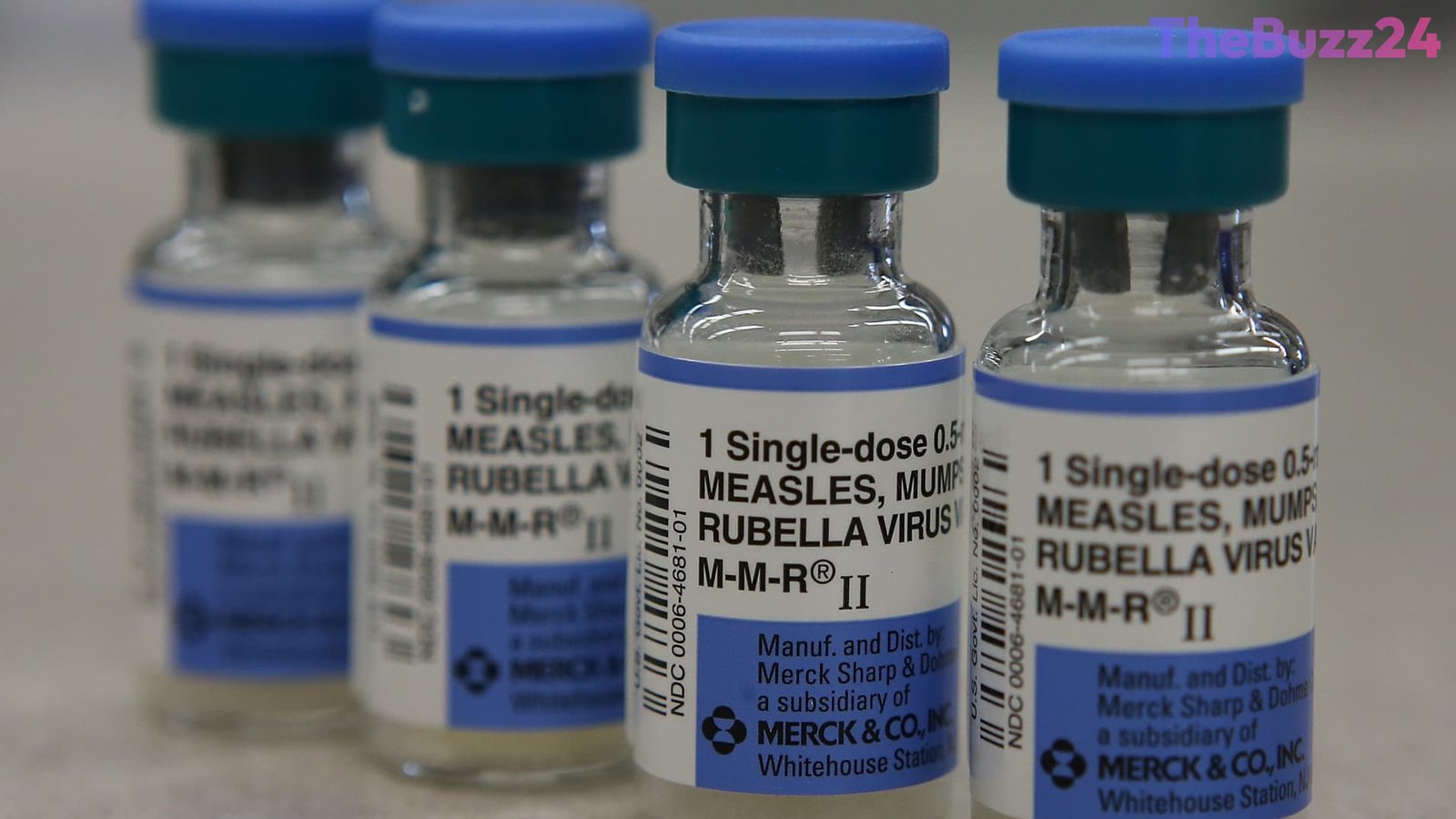
The implications of this widespread hesitancy are becoming increasingly evident. The U.S. has recently reported a 35-year high in confirmed measles cases, with over 93% of infected individuals being unvaccinated or having unknown vaccination status. Concurrently, childhood vaccination rates for kindergartners have dipped to approximately 92%, while nonmedical exemptions reached a record 4.2% during the 2025-2026 school year, according to the Centers for Disease Control and Prevention (CDC). Public health scientist Jess Steier, CEO of Unbiased Science, notes that even minor reductions in vaccination coverage can lead to the circulation of highly contagious viruses. Dr. Lori Handy of the Vaccine Education Center at Children’s Hospital of Philadelphia emphasizes that factors driving hesitancy are multifaceted, encompassing social, religious, and access issues, alongside exposure to online content.
Addressing this complex public health challenge requires a shift in approach from lecturing to empathetic listening. Health experts advocate for open conversations that acknowledge individual fears and help people critically evaluate information, including that found on social media. Steier suggests understanding the underlying drivers of hesitancy rather than dismissing concerns outright. Dr. Handy points out that vaccines have become “victims of their own success”; with many preventable diseases largely absent for decades, the perceived risk of the illness itself has diminished, making the perceived risk of the vaccine seem comparatively higher. Re-educating the public on the current risk profile of these diseases is crucial to fostering informed decisions and rebuilding trust.
Key Takeaways
- Vaccine uncertainty, not widespread anti-vaccine sentiment, is the primary public health challenge in the U.S., with many Americans in a "gray area" of indecision.
- Conflicting information, social media algorithms, and political rhetoric contribute significantly to this uncertainty, making it difficult for individuals to trust sources and make informed decisions.
- This growing hesitancy is linked to tangible public health risks, including a 35-year high in measles cases and declining childhood vaccination rates, underscoring the need for empathetic, evidence-based communication strategies.
Editor’s Analysis & Impact
The prevalence of vaccine uncertainty, rather than outright opposition, presents a nuanced yet formidable challenge to public health. For the healthcare industry, this necessitates a strategic pivot from broad public health messaging to personalized, trust-building dialogues. Pharmaceutical companies and medical providers must invest in clear, accessible communication channels that address specific anxieties and counter misinformation effectively. The future outlook suggests continued struggles in achieving optimal vaccination rates, potentially leading to more frequent outbreaks of preventable diseases. Broader implications include the further politicization of health issues and a potential erosion of public trust in scientific institutions. This situation underscores the critical need for robust public education campaigns and policies that support evidence-based health information, while also fostering an environment where individuals feel heard and respected in their health decisions.
Frequently Asked Questions
Q: What is the main difference between vaccine uncertainty and anti-vaccine sentiment?
A: Vaccine uncertainty describes individuals who are not firmly opposed to vaccines but have questions, anxieties, or are confused by conflicting information. Anti-vaccine sentiment, conversely, refers to a firm belief in common myths or outright opposition to vaccinations.
Q: How are rising measles cases related to vaccine uncertainty?
A: The decline in childhood vaccination rates, partly fueled by uncertainty, creates a larger pool of unvaccinated individuals. This makes communities more vulnerable to highly contagious viruses like measles, leading to outbreaks when the virus is introduced.
Q: What strategies are recommended to address vaccine uncertainty?
A: Health experts suggest an approach centered on empathetic listening, understanding the root causes of hesitancy, and engaging in open, evidence-based conversations. It also involves acknowledging social media as a source of information and helping individuals critically evaluate conflicting messages.
AI Disclosure: This article is based on verified data and official reports. Our Team and AI have cross-referenced every financial detail with primary sources to ensure total accuracy.
More from this Category