The Smartphone Trap: Will Software-Defined Vehicles Stand the Test of Time?
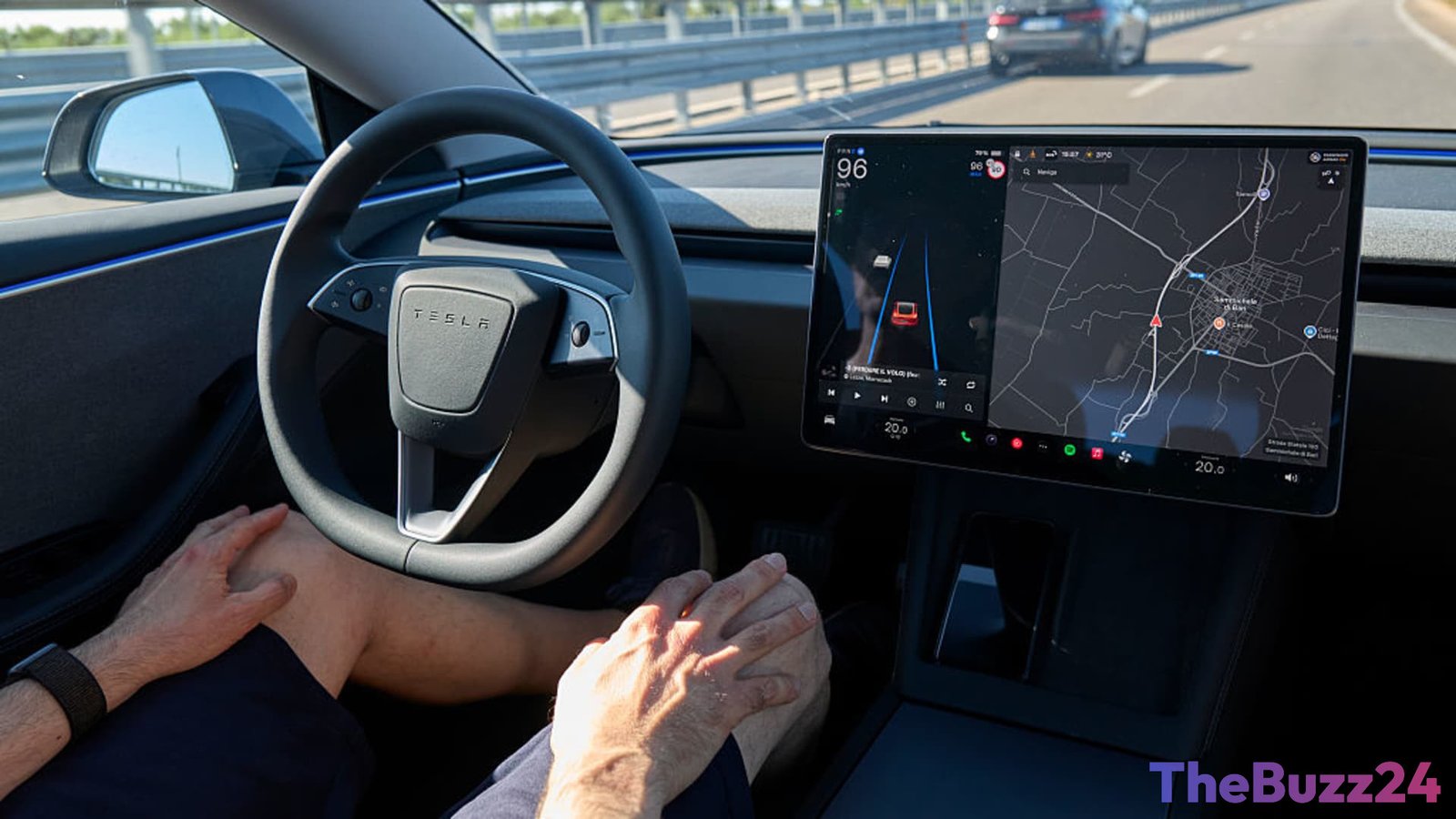
Modern vehicles are increasingly resembling computers on wheels. Led by pioneers like Tesla and Rivian, software-defined vehicles (SDVs) promise continuous improvement through over-the-air updates, remote diagnostics, and digital feature additions. However, as the average age of American cars climbs to nearly 13 years, a critical question looms over the automotive industry: how will these highly complex, software-dependent machines age? Unlike traditional mechanical vehicles, SDVs risk becoming obsolete far sooner if their physical hardware cannot keep pace with rapidly evolving software.
The industry has already witnessed the early warning signs of digital obsolescence. The shutdown of 3G wireless networks in 2022 left millions of older vehicles without navigation and emergency services. Furthermore, hardware limitations have forced manufacturers to adjust expectations; Tesla recently acknowledged that its older Hardware 3 computers would require upgrades to run unsupervised Full Self-Driving, despite previous assurances. While Rivian designs its vehicles with enough hardware “headroom” to support seven to ten years of software upgrades, the long-term viability of these systems remains uncharted territory.
This technological shift is poised to reshape the secondary market. Experts predict a bifurcation in used car values, separating vehicles that still receive active manufacturer support from those left behind. This has intensified the push for “right to repair” laws. In response, Rivian plans to unlock an in-car service menu, allowing owners to run diagnostics and perform basic repairs. Industry analysts suggest that if automakers eventually abandon older software platforms, they should be legally required to release the code to third-party maintainers to prevent millions of functional cars from becoming digital brick piles.
Key Takeaways
- Software-defined vehicles (SDVs) offer continuous digital updates but face risks of premature obsolescence as hardware ages faster than software.
- Historical precedents, such as the 3G network shutdown and Tesla's hardware upgrade requirements, highlight the challenges of maintaining long-term digital features.
- The rise of SDVs is driving new 'right to repair' initiatives, with companies like Rivian opening up diagnostic tools to consumers to comply with emerging regulations.
Editor’s Analysis & Impact
The transition to software-defined vehicles represents a paradigm shift in automotive depreciation. Historically, cars depreciated based on physical wear and mileage. In the SDV era, depreciation will be heavily tied to digital support cycles. This creates a massive challenge for automakers who must balance the high costs of maintaining legacy software against the reputational risk of abandoning older customers. Furthermore, this shift could disrupt the traditional used car market, creating a digital divide where unsupported vehicles lose value rapidly. To mitigate this, the industry must establish standardized valuation metrics for software features and embrace open-source solutions or robust right-to-repair frameworks. Ultimately, the brands that successfully manage the lifecycle of their digital hardware will secure long-term consumer trust and brand loyalty.
Frequently Asked Questions
Q: What is a software-defined vehicle (SDV)?
A: A software-defined vehicle is a car whose features, operations, and capabilities are primarily enabled and managed through software and computer systems rather than traditional mechanical components. These vehicles can receive over-the-air updates to improve performance and add new features over time.
Q: Why are there concerns about the lifespan of software-defined cars?
A: Unlike traditional cars that can last decades with mechanical maintenance, SDVs rely on computer hardware that can become obsolete. If a manufacturer stops supporting older software or if the hardware cannot handle new updates, the vehicle may lose key features, affecting its utility and resale value.
Q: How does the 'right to repair' apply to these vehicles?
A: As vehicles become more proprietary and software-dependent, consumers and independent mechanics face barriers to fixing them. Right-to-repair advocates push for automakers to provide access to diagnostic software, tools, and source code so vehicles can be maintained without relying solely on dealership networks.
AI Disclosure: This article is based on verified data and official reports. Our Team and AI have cross-referenced every financial detail with primary sources to ensure total accuracy.
More from this Category