The SpaceX IPO Frenzy: Retail Investors Bet Big on Musk Despite Valuation Skepticism
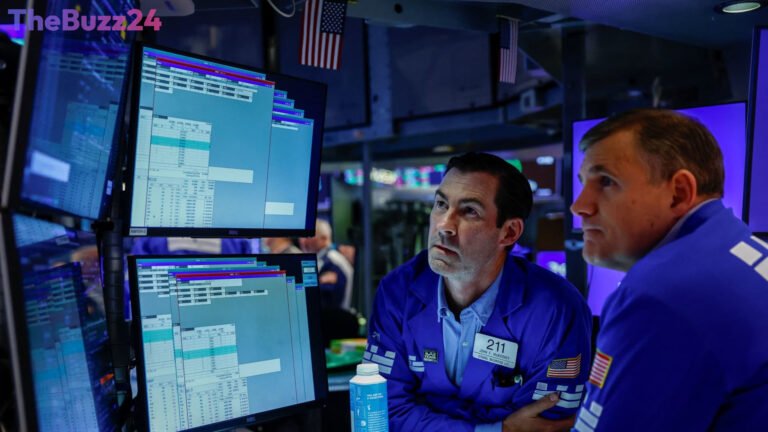
The highly anticipated initial public offering of SpaceX has ignited a massive scramble among retail investors, even as many express deep reservations regarding the company’s $1.77 trillion valuation. With a fixed price set at $135 per share, the stock saw immediate momentum upon its debut, opening at $150 and rallying significantly to reach highs near $176. The intense interest is fueled in part by an unusually high retail allocation, with roughly 20% of shares made available to individual traders—a stark contrast to the typical 5% to 10% seen in most IPOs.
For many participants, the decision to invest is less about traditional fundamental analysis and more about a belief in the long-term vision of founder Elon Musk. Investors ranging from day traders to long-term enthusiasts are flocking to platforms like Robinhood and Fidelity to secure allocations. While some traders view the current valuation as “aggressive” or “unreasonable,” they are betting on the “meme-stock” potential and the historical tendency for Musk-led ventures to defy conventional market expectations. Many are treating the IPO as a short-term tactical play, hoping to capitalize on the initial hype before potentially exiting.
However, the strategy is not without risks. Major brokerage firms have implemented strict anti-flipping policies, penalizing investors who sell their allocations too quickly by restricting their access to future IPOs. Despite these hurdles, the allure of being part of what many call the “Super Bowl of IPOs” remains powerful. Whether investors are looking for a quick profit or a legacy holding to pass down to future generations, the consensus among many is that betting against Elon Musk has historically been a losing proposition, leading many to overlook valuation concerns in favor of participating in the company’s growth.
Looking ahead, the broader space economy is expected to expand rapidly, with analysts predicting that space-related firms will become staples of major indices like the S&P 500 by 2030. While some traders remain cautious, waiting for the initial volatility to settle and for insiders to complete their lock-up periods, others are focused on the long-term potential of Starlink and future space-based industries. As the market digests this massive debut, the focus remains on whether SpaceX can continue to execute at the breakneck pace that has defined its rise to becoming a global conglomerate.
Key Takeaways
- SpaceX launched its IPO at a $1.77 trillion valuation, with shares opening at $150 after being priced at $135.
- Retail investors were granted an unusually high allocation of roughly 20% of the shares, driving significant market participation.
- Many investors are prioritizing faith in Elon Musk's execution capabilities over traditional valuation metrics, viewing the stock as a high-potential, long-term asset.
Editor’s Analysis & Impact
The SpaceX IPO represents a watershed moment for both the aerospace industry and the retail investment landscape. By commanding a $1.77 trillion valuation, the company is effectively forcing a re-evaluation of how markets price ‘moonshot’ technology firms that operate outside traditional revenue models. The market impact is twofold: it validates the massive capital influx into the space economy while simultaneously highlighting the growing influence of retail sentiment in high-profile public offerings. Future implications suggest that Musk’s ability to secure massive compute deals with entities like Google and Anthropic will be the primary driver of valuation, rather than traditional aerospace metrics. Investors should expect continued volatility as the market reconciles the company’s ambitious revenue projections with the realities of long-term capital expenditure in space exploration.
Frequently Asked Questions
Q: Why are some investors concerned about the SpaceX IPO valuation?
A: Many investors believe the $1.77 trillion valuation is 'aggressive' or 'unreasonable' based on current fundamental financial metrics, arguing that it is difficult to justify such a market cap using traditional corporate finance models.
Q: What are 'anti-flipping' policies in the context of this IPO?
A: Brokerage firms like Fidelity have policies that penalize traders who sell their IPO allocations too quickly—often within 15 days—by restricting their ability to participate in future public offerings.
Q: Is SpaceX only focused on rocket launches?
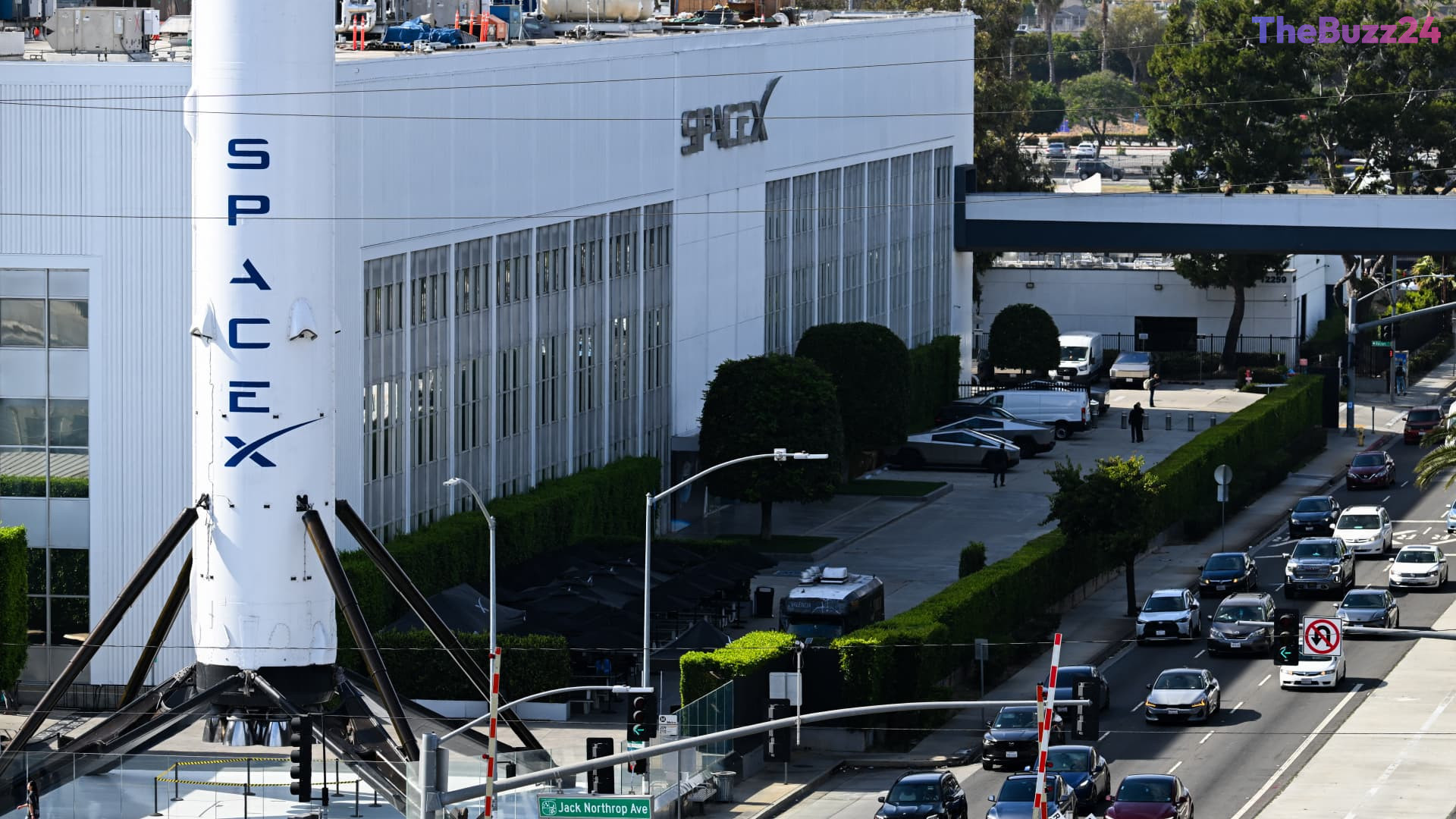
A: No, SpaceX has evolved into a conglomerate that includes the Starlink satellite internet service, xAI, and significant interests in future space-based industries like artificial intelligence data centers and mineral extraction.
AI Disclosure: This article is based on verified data and official reports. Our Team and AI have cross-referenced every financial detail with primary sources to ensure total accuracy.
More from this Category